

Attorney General Todd Rokita today issued the following statement:
"I am calling on Indiana House members to adopt the substance of Senate Bill 250, as passed by the Senate, to align Indiana law with the new federal definition of hemp and end the sale of illicit marijuana products masquerading as “low-THC hemp.”
In 2023, the Indiana State Police and the Indiana Prosecuting Attorneys Council asked me for guidance on whether intoxicating hemp-derived THC products are controlled substances. I issued an advisory opinion clearly stating that any product containing more than 0.3% total delta-9 THC, or any other form of THC, such as delta-8 or delta-10, regardless of its source, is marijuana and, therefore, a Schedule I controlled substance under Indiana law.
Congress has now come to the same conclusion and clarified that beginning November 1, 2026, hemp must contain no more than 0.3% of any THC variant, including delta-9, delta-8, delta-10, and others. Products exceeding 0.3% of any THC variant will be treated as marijuana under federal law. Indiana law must change to reflect this new definition.
Under the banner of “hemp,” a commercial marijuana market has taken root in Indiana—engineered for intoxication and shielded by a regulatory loophole in Indiana law. High-potency THC gummies and similar products are being sold openly, often containing multiples of the THC levels permitted in states that have formally legalized marijuana.
A 100 mg THC gummy is not hemp. It is marijuana in everything but name. Indiana should follow Congress’s lead and close this loophole.
Aligning Indiana law with federal law ends the fiction that these high-potency THC products are legitimate hemp. It sends a clear message: Indiana supports a lawful, agriculture-based hemp industry—not an intoxicating THC marketplace that profits at the expense of public safety and health.
House members should heed the law enforcement agencies that testified in committee that they need clear statutory guidance to enforce marijuana-related offenses. Aligning Indiana law with the federal definition eliminates uncertainty and gives officers and prosecutors the clarity necessary to enforce THC offenses without having to parse artificial distinctions between so-called “hemp” and marijuana.
There is also a risk to legitimate hemp farmers. Indiana’s USDA-approved hemp plan must comply with federal standards. Refusing to adopt the updated federal definition places the integrity of that plan in jeopardy—harming farmers who followed the rules and depend on regulatory stability.
Indiana law should be consistent. If someone selling 10 mg of marijuana on the street faces arrest, we should not excuse retailers selling ten times that amount of THC simply because they operate behind a counter, wear suits, and hire high-priced lobbyists. A psychoactive drug does not become lawful because it is packaged differently or defended more elegantly. When businesses profit from intoxicating THC while hiding behind a loophole, they are not advancing the hemp industry—they are drug dealers in suits.
Adopting the SB 250 language does not ban lawful hemp. It preserves legitimate, low-THC hemp products and protects compliant farmers. If lawmakers refuse to do so, Indiana will effectively legalize marijuana by default—without a direct vote to do so and without the safeguards required in states that have openly chosen that path.
Lawmakers cannot legalize marijuana through the back door and expect Hoosiers not to notice. When intoxicating THC products are sold in plain sight, voters will not accept claims that marijuana was never legalized. If this loophole remains, Hoosiers will hold the entire legislature accountable.
House members should act decisively.
Adopt the federal definition of hemp. Close the loophole. End the deception."
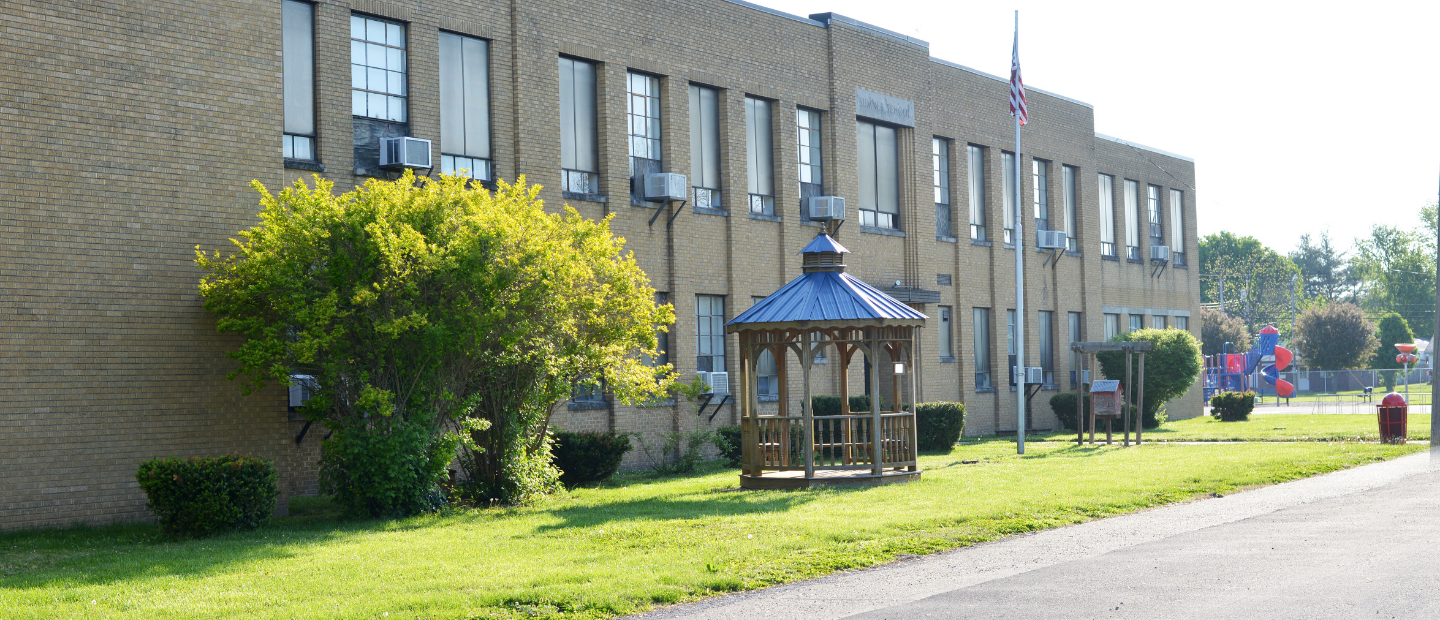 Sumner Attendance Center conducting School Lockdown Drill Tuesday
 Youth deer hunters set Illinois record, Lawrence Co. numbers up
 IDNR to pause chronic wasting disease public informational meetings for fall 2026
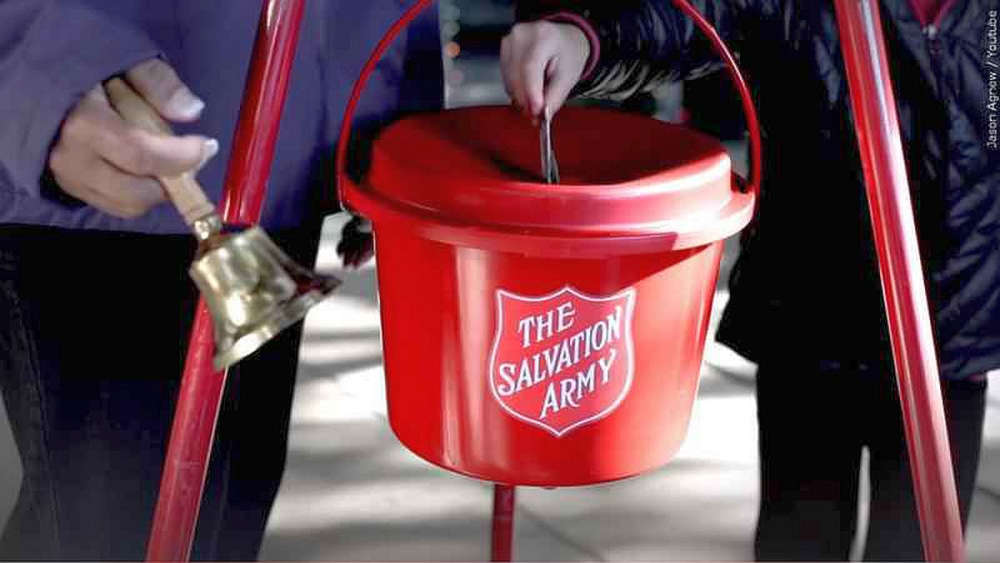 Southern Illinois Salvation Army looking for holiday bell ringers
 Illinois Farm Bureau continues rural grant program
 Youth killed in southwestern Indiana accident
 NTSB issues final report on train derailment in Edwards County
 Red Hill Unit #10 seeking funding for BGS improvements
 Lawrence and Richland County burn ban rescinded
 Environmental Rules Board & IDEM act to lift fuel restrictions, reduce red tape for Indiana fire departments
 Low-interest loans available for businesses, residents impacted by June 2026 severe weather
 Cannonball Inn in St. Francisville under new ownership
 New hanger project ready to begin soon at Mid-American Air Center
 Bridgeport deals with water system matters
 Sumner moving forward with Route 50 waterline expansion project
 Knox County (Ind.) man sentenced for crimes involving Illinois college