

Thursday, the U.S. Department of Agriculture (USDA) published the final rule regarding stocking standards for retailers participating in the Supplemental Nutrition Assistance Program (SNAP), ensuring a broader variety of nutritious food is available to SNAP participants at authorized retailers across the country.
Since the beginning of the Trump Administration, the Food and Nutrition Service has taken action on nearly 3,200 retailers regarding current stocking standards, either for failing to meet them upon application or failing to maintain them once authorized. The latter results in disqualification from accepting SNAP benefits.
“To turn the tide on our nation’s health crisis, we need to ensure our nutrition assistance programs emphasize real food first, and that’s exactly what these updates to SNAP retailer requirements will do,” said U.S. Secretary of Agriculture Brooke L. Rollins. “SNAP authorized retailers accept over $90 billion a year, or $236 million a day, in taxpayer dollars—USDA is making sure they’re actually in the business of selling food. And for those retailers who are the only food outpost for miles, I know you will be so excited to serve your customers and communities healthy food.”
“This rule puts real food back at the center of SNAP,” said U.S. Department of Health and Human Services Secretary Robert F. Kennedy, Jr. “I thank Secretary Rollins for her leadership in advancing these commonsense reforms. It demands more from retailers and delivers better options for the families who depend on this program. This administration is committed to working across government to improve nutrition, strengthen accountability, and drive better health outcomes nationwide. This is how we Make America Healthy Again.”
Retailers authorized to accept SNAP benefits must now carry seven varieties of items across four categories of staple foods: protein, grains, dairy, and fruits and vegetables. This change more than doubles the requirement of available foods, emphasizes more whole foods, increases the perishable food requirements, and eliminates loopholes that for too long have allowed retailers to count certain snack foods toward their staple food requirements.
These changes will not only ensure vulnerable families in need have more nutritious options wherever they shop but demand more accountability from retailers who not only have stocked the bare minimum, but have seen the most program violations, including benefit trafficking and other fraudulent behavior.
These updates go into effect Fall 2026, and the Department plans to issue additional guidance to retailers in the coming weeks.
 Two new conditions now eligible for treatment with medical cannabis
 Gov. Mike Braun orders flags lowered to half-staff in honor of Dolly Parton
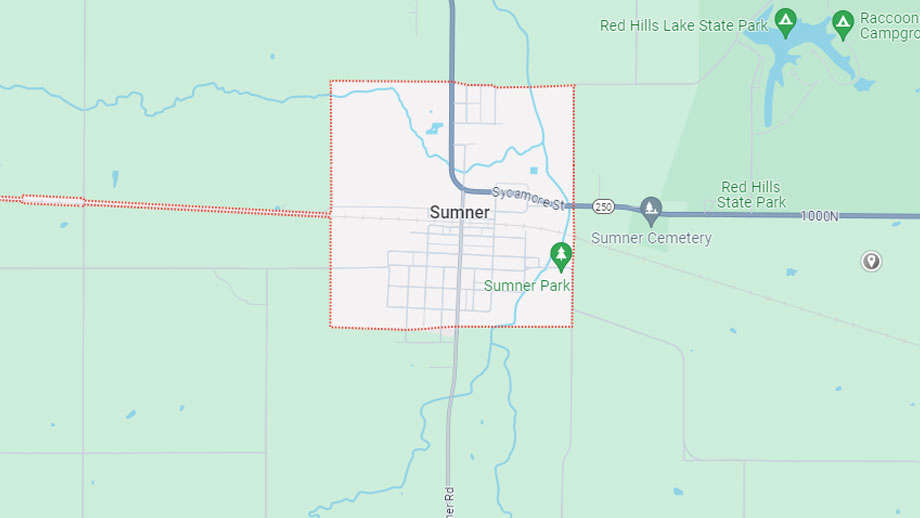 Sumner election petitions available
 New housing subdivision moving forward in Vincennes
 Parkside Elementary will open next week
 Restaurant at Red Hill State Park under new ownership
 Bridgeport Water boil order lifted
 Lawrence County Chamber recognizes Salyers; have begun executive director search
 Lawrence County Board hears about data centers and the county jail
 Parkside Elementary opening delayed again
 Knox County's Clayton Newton earns honors at the Indiana State Fair
 Indiana launches emergency program for veterans impacted by historical flooding
 Illinois State Police deploy new Bicycle Response Team
 Flood warning continues for Wabash River at Vincennes; eastern Lawrence County (ILL.) flooding possible
 IDOT teaming with GWRPC to get public travel input
 Indiana Gov. Braun secures federal assistance, provides update on statewide storm response