


federal-scam-alert
The United States Marshals Service and the Federal Bureau of Investigation are alerting the public to several nationwide imposter scams involving individuals claiming to be representatives of the Marshals Service, court officers, or other law enforcement officials.
Several residents in the Northern District of Indiana have reported having received calls from individuals claiming to be the "U.S. Marshal" informing those called that their identity had been stolen and their bank account hacked.
The USMS are urging people to report the calls to their local FBI office and file a consumer complaint with the Federal Trade Commission, which has the ability to detect patterns of fraud from the information collected and share that data with law enforcement.
Scammers use many tactics to sound and appear credible, sometimes providing information like badge numbers, names of actual law enforcement officials, federal judges, and courthouse addresses. Scammers may also spoof their phone numbers to appear on caller IDs as if they are calling from a government agency or the court.
The caller on the Indiana scam instructs those called to go to their bank and withdraw funds from the account before they are frozen. Those victims are further told to purchase gift cards with their money and the "marshal" would then put that money into a new account and issue them a new Social Security number. Be advised that the U.S. Marshal's Service will not call and ask for any money or monetary instrument over the telephone.
If you believe you were a victim of such a scam, you are encouraged to report the incident to your local FBI offices and/or to the Federal Trade Commission (FTC). If you were contacted by someone claiming to be a U.S. Marshal or believe you are the victim of such scam, contact the Federal Trade Commission at reportfraud.ftc.gov or to contact the Federal Bureau of Investigation at https://www.ic3.gov/ .
Things to remember:
—The U.S. Marshals Service will never ask for credit/debit card/gift card numbers, wire transfers, or bank routing numbers, or to make bitcoin deposits for any purpose.
—Never divulge personal or financial information to unknown callers.
—Report scam phone calls to your local FBI offices and to the FTC.
—You can remain anonymous when you report.
—You can authenticate the call by contacting the United States District Court Clerk's in your area to verify the court order given by the caller.
The Department of Justice launched the National Elder Fraud Hotline, which provides services to seniors who may be victims of financial fraud. Case managers assist callers with reporting the suspected fraud to relevant agencies and by providing resources and referrals to other appropriate services as needed. The hotline's toll free number is 833-372-8311.
 Gov. Pritzker announces expansion of the National Corn-to-Ethanol Research Center at SIU - Edwardsville
 2026 Illinois State Fairs' attendance tops 1 million for second consecutive year
 Gas prices on the rise in Indiana
 Lawrence County Board to host budget hearing
 INDOT announcing Lincoln Memorial Bridge closure
 Lawrenceville Police active over the weekend with two arrests
 Another fatal accident in Wabash County
 Lawrenceville approves water system contract changes and new ordinances
 Burn ban issued for Lawrence and Richland Counties
 IDHS warns against disaster assistance fraud
 Richland County Illinois man sentenced on federal child porn charges
 Illinois taking action to assist farmers during harvest season
 Lawrence County Veterans Assistance Commission discusses superintendent hiring
 Applications open for Indiana's Advanced Nuclear Ready Communities Program
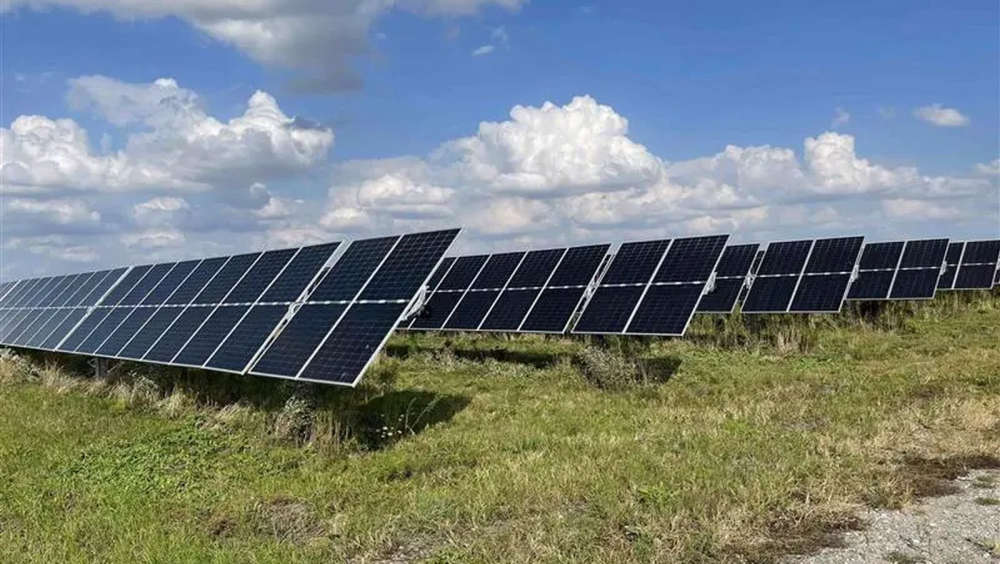 Knox County approves solar setback ordinance on first reading
 One killed in Wabash County pedestrian accident
 Grain marketing company completes Jasper County expansion
 Lawrence County Memorial Hospital adds new administrative position
 USPS schedule for weekend into Columbus Day