

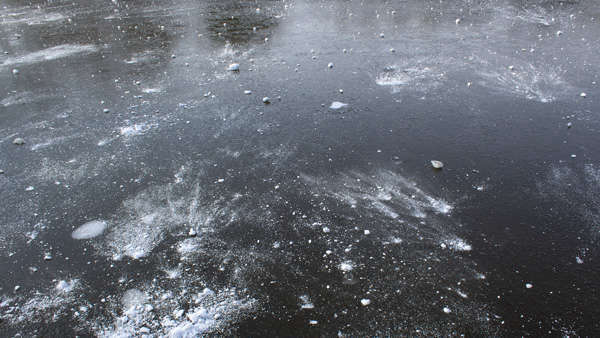
Every winter, thousands of Hoosiers safely enjoy fishing, skating, hiking, or just sliding around on frozen ponds and lakes. And every year, people drown after falling through ice.
Don’t let this happen to you or anyone around you.
Indiana Conservation Officers remind Hoosiers to be careful as they begin to partake in activities such as ice fishing, ice skating, or snowmobiling. Remember to put safety first. Take caution when going on frozen lakes, ponds, rivers, streams, and retention ponds. And watch for others who may venture out on frozen waterways and find themselves in trouble.
Similar to needing to drive differently on snowy versus clear roads, safely having fun on ice may require you to adjust from what you have done in the past. The rule of thumb is to believe all ice is thin ice unless proven otherwise.
Here are a few tips to remember when considering standing on or walking on a frozen body of water:
- Assume no ice is safe ice.
- Test the thickness of the ice with an ice auger. At least 4 inches is recommended for ice fishing; 5 inches is recommended for snowmobiling.
- If you don’t know the thickness of the ice, don’t go on it.
- Wear a life jacket or flotation coat.
- Carry ice picks and rope gear.
- Before going on the ice, leave a note of your whereabouts with a friend or family member.
- Don’t test the thickness of the ice while alone.
Wearing a life jacket is especially important when on ice. If you fall through, a life jacket will keep your head above the water until help arrives.
Remember that a new coating of snow, while perhaps beautiful, can make for treacherous ice conditions. Snow can serve as insulation, causing water to freeze at a slower rate. When snow and rain freeze into ice, it is not as strong as solid, clear ice.
Another potentially dangerous situation is when you see a pet or other animal in distress on the ice. If that happens, do not go after it. Instead, contact local emergency response personnel, who are equipped to make a rescue.
A few more tips:
- Some bodies of water can appear to be frozen solid but still have thin ice in several unexpected areas.
- Avoid flowing water, such as rivers and streams, when covered by a layer of ice.
- Similarly, water surrounded by sand may freeze with inconsistencies in the thickness of the ice.
- Underground springs, wind, waterfowl, and other animals can also keep areas of ice thin.
 Two new conditions now eligible for treatment with medical cannabis
 Gov. Mike Braun orders flags lowered to half-staff in honor of Dolly Parton
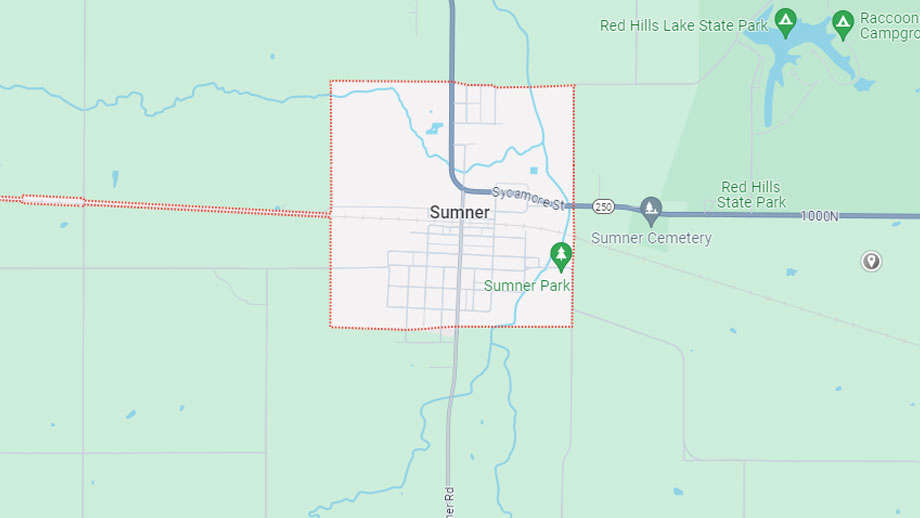 Sumner election petitions available
 New housing subdivision moving forward in Vincennes
 Parkside Elementary will open next week
 Restaurant at Red Hill State Park under new ownership
 Bridgeport Water boil order lifted
 Lawrence County Chamber recognizes Salyers; have begun executive director search
 Lawrence County Board hears about data centers and the county jail
 Parkside Elementary opening delayed again
 Knox County's Clayton Newton earns honors at the Indiana State Fair
 Indiana launches emergency program for veterans impacted by historical flooding
 Illinois State Police deploy new Bicycle Response Team
 Flood warning continues for Wabash River at Vincennes; eastern Lawrence County (ILL.) flooding possible
 IDOT teaming with GWRPC to get public travel input
 Indiana Gov. Braun secures federal assistance, provides update on statewide storm response