

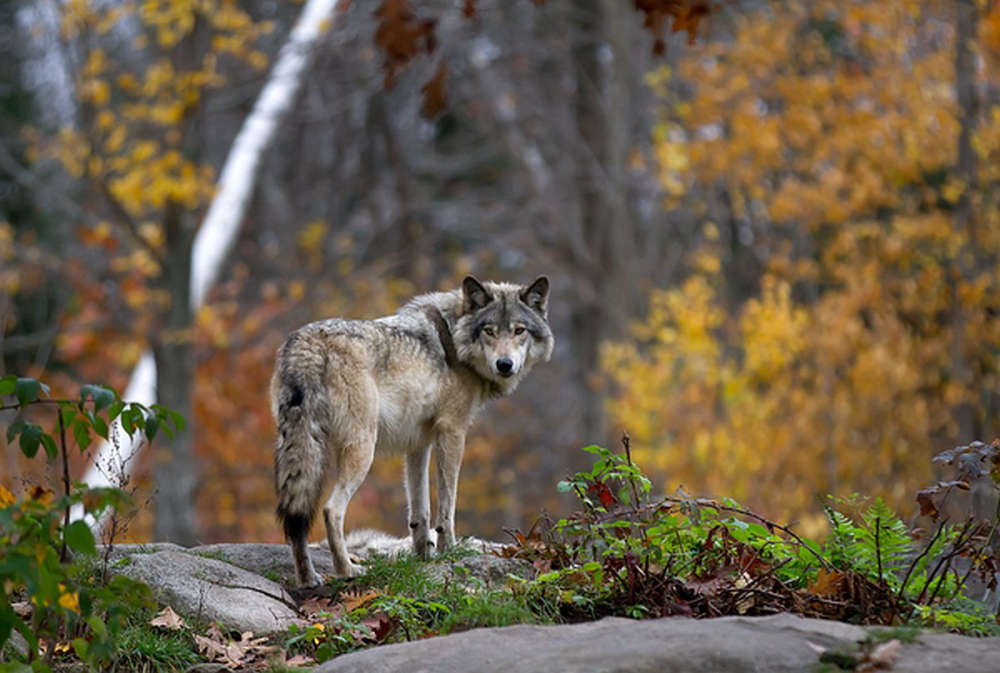
Today, U.S. Secretary of Agriculture Brooke L. Rollins urged state partners to review their wolf management policies, strengthen engagement with livestock producers, and work with the U.S. Department of Agriculture (USDA) to address wolf predation.
“For too long, America’s ranchers have dealt with wolves threatening and killing their livestock, their livelihoods, and the family operations they have spent generations building,” said Secretary Brooke L. Rollins, “As ranchers await federal clarity on this issue, I am urging states to listen to their producers, review state-specific wolf protections, and work with USDA wherever possible to protect livestock, including through lethal removal when requested by the appropriate authorities and authorized by law. The most pro-rancher Administration in history will continue standing with our ranchers and working to rebuild the Great American Cattle Herd.
“American ranchers have been forced to deal with apex predators devastating livestock for far too long despite these protected species exceeding recovery goals long ago,” said Representative Hageman. “Those who work around the clock to keep our shelves stocked and neighbors fed deserve to be fairly compensated for losses from D.C.-protected predators like the grey and Mexican wolf. I am pleased to see President Trump and Secretary Rollins taking steps to relieve our ranchers of unnecessary predators on their lands and deliver due compensation when losses happen.”
 |
USDA is encouraging states to engage directly with ranchers and raise awareness of how to report suspected predation to the appropriate state agencies or the U.S. Fish and Wildlife Service (USFWS). USDA’s Animal and Plant Health Inspection Service (APHIS) Wildlife Services provides wolf damage management assistance at the request of the appropriate state agencies or the U.S. Fish and Wildlife Service (USFWS). Requests for lethal removal must come from those authorities and be supported by the requisite agreements, environmental analyses, and compliance with state and federal law. APHIS currently supports state and federal partners through more than 40 agreements.
Wolf predation can increase producers’ costs through livestock losses, management expenses, and reduced livestock weights. Under the Working Families Tax Cuts Act, USDA’s Farm Service Agency increased Livestock Indemnity Program (LIP) payment rates for qualifying predation losses to 100% of the determined market value. Eligible producers who lose livestock to qualifying wolf attacks should contact their local Farm Service Agency office for eligibility and application information.
For more information, please visit: https://www.usda.gov/form/
 New hanger project ready to begin soon at Mid-American Air Center
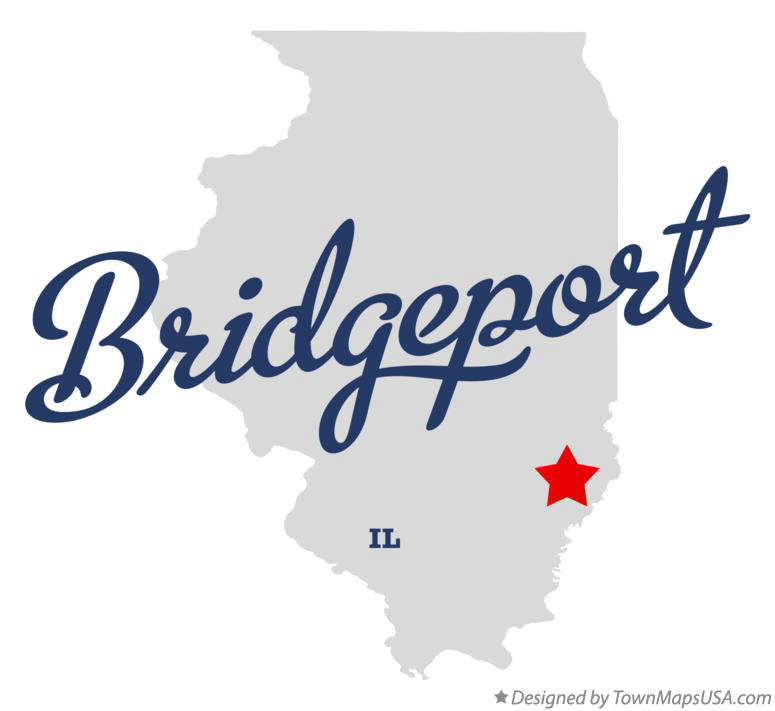 Bridgeport deals with water system matters
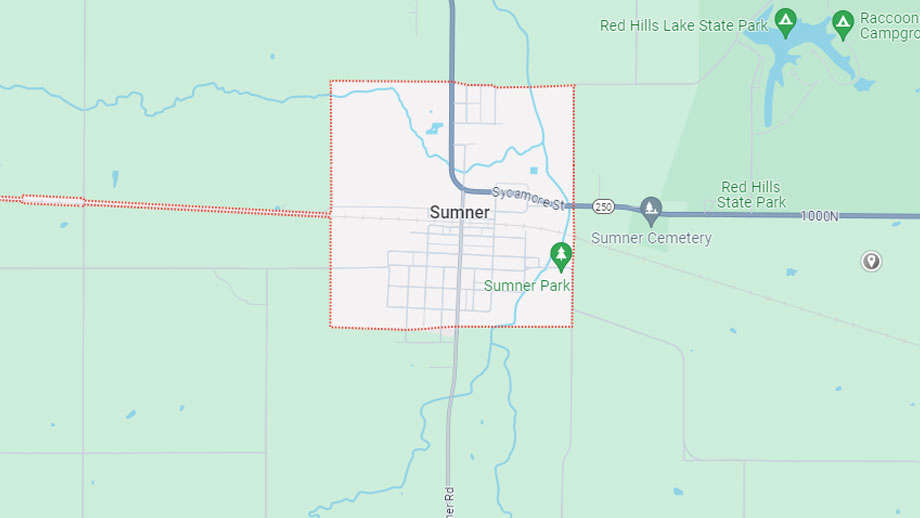 Sumner moving forward with Route 50 waterline expansion project
 Knox County (Ind.) man sentenced for crimes involving Illinois college
 Gov. Pritzker announces expansion of the National Corn-to-Ethanol Research Center at SIU - Edwardsville
 2026 Illinois State Fairs' attendance tops 1 million for second consecutive year
 Gas prices on the rise in Indiana
 Lawrence County Board to host budget hearing
 INDOT announcing Lincoln Memorial Bridge closure
 Lawrenceville Police active over the weekend with two arrests
 Another fatal accident in Wabash County
 Lawrenceville approves water system contract changes and new ordinances
 Burn ban issued for Lawrence and Richland Counties
 IDHS warns against disaster assistance fraud
 Richland County Illinois man sentenced on federal child porn charges
 Illinois taking action to assist farmers during harvest season
 Lawrence County Veterans Assistance Commission discusses superintendent hiring
 Applications open for Indiana's Advanced Nuclear Ready Communities Program
 Knox County approves solar setback ordinance on first reading