

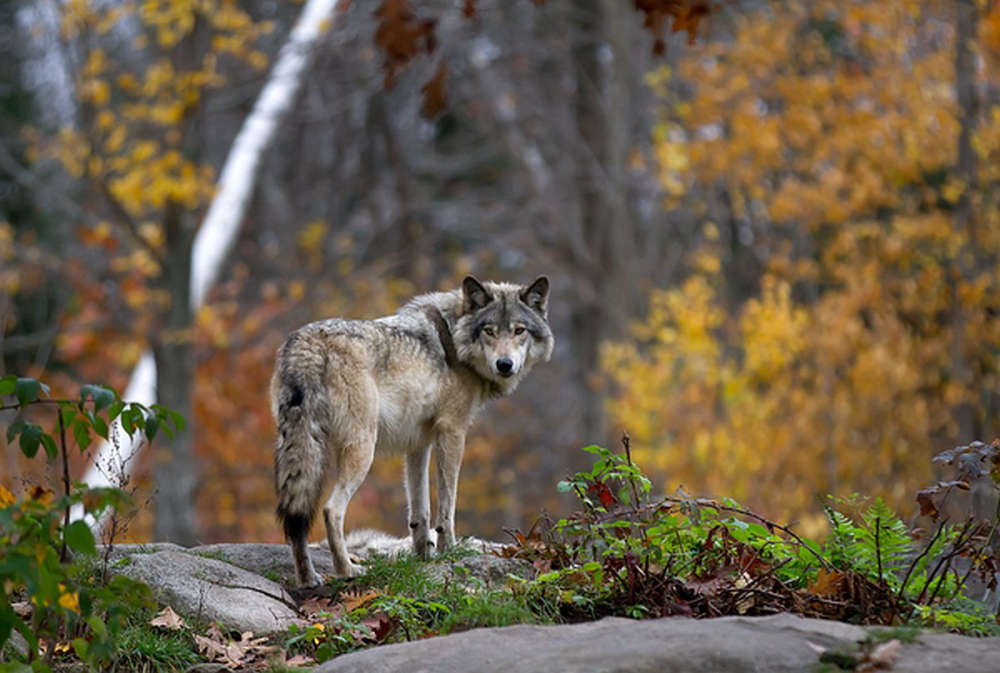
Today, U.S. Secretary of Agriculture Brooke L. Rollins urged state partners to review their wolf management policies, strengthen engagement with livestock producers, and work with the U.S. Department of Agriculture (USDA) to address wolf predation.
“For too long, America’s ranchers have dealt with wolves threatening and killing their livestock, their livelihoods, and the family operations they have spent generations building,” said Secretary Brooke L. Rollins, “As ranchers await federal clarity on this issue, I am urging states to listen to their producers, review state-specific wolf protections, and work with USDA wherever possible to protect livestock, including through lethal removal when requested by the appropriate authorities and authorized by law. The most pro-rancher Administration in history will continue standing with our ranchers and working to rebuild the Great American Cattle Herd.
“American ranchers have been forced to deal with apex predators devastating livestock for far too long despite these protected species exceeding recovery goals long ago,” said Representative Hageman. “Those who work around the clock to keep our shelves stocked and neighbors fed deserve to be fairly compensated for losses from D.C.-protected predators like the grey and Mexican wolf. I am pleased to see President Trump and Secretary Rollins taking steps to relieve our ranchers of unnecessary predators on their lands and deliver due compensation when losses happen.”
 |
USDA is encouraging states to engage directly with ranchers and raise awareness of how to report suspected predation to the appropriate state agencies or the U.S. Fish and Wildlife Service (USFWS). USDA’s Animal and Plant Health Inspection Service (APHIS) Wildlife Services provides wolf damage management assistance at the request of the appropriate state agencies or the U.S. Fish and Wildlife Service (USFWS). Requests for lethal removal must come from those authorities and be supported by the requisite agreements, environmental analyses, and compliance with state and federal law. APHIS currently supports state and federal partners through more than 40 agreements.
Wolf predation can increase producers’ costs through livestock losses, management expenses, and reduced livestock weights. Under the Working Families Tax Cuts Act, USDA’s Farm Service Agency increased Livestock Indemnity Program (LIP) payment rates for qualifying predation losses to 100% of the determined market value. Eligible producers who lose livestock to qualifying wolf attacks should contact their local Farm Service Agency office for eligibility and application information.
For more information, please visit: https://www.usda.gov/form/
 Inside the Township: Indiana's most local form of government hides in plain Sight
 Downtown Plymouth invites downtown businesses to participate in holiday scavenger hunt Nov. 27 & 28
 Plymouth motorcyclist arrested after clocking 132 MPH in 45 MPH construction zone
 South Bend man with active warrant turns himself in at Prosecutor’s Office
 Sunglasses At Night brings the ultimate '80s throwback party to The REES Theatre this Saturday
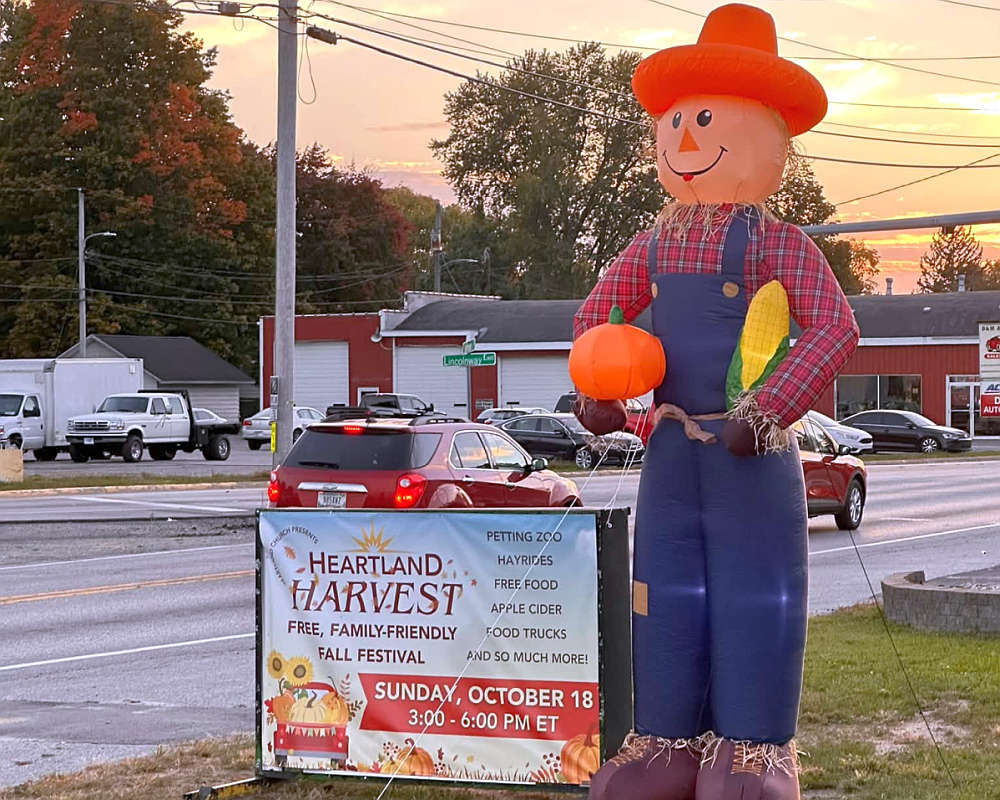 Heartland Harvest: A free family fall festival comes to Plymouth this Sunday
 USDA announces $86.6 ilmlion investment into the U.S. Specialty Crop industry
 Attorney General Rokita flags September’s risky recalls