

May is stroke awareness month. Time is of the essence when recognizing stroke symptoms and responding F.A.S.T. Lutheran Kosciusko Hospital wishes to educate the community about stroke so that community members can have the best outcomes.
May is stroke awareness month! Let’s take a look at some of the signs and symptoms of stroke, along with causes, risk factors, and treatment.
The American Heart Association uses the acronym, “F.A.S.T.” for recognizing stroke symptoms. By learning the F.A.S.T. warning signs, you just might save a life:
F: Face: does the person have any facial droop or abnormalities?
A: Arm: does the person have any numbness, weakness or sudden immobility of an extremity?
S: Speech: does the person have any slurred or garbled speech or inability to understand?
T: Time to Call 911: This is the most important part of the acronym. If you notice anyone experiencing these signs and symptoms, call 911 immediately.
Other symptoms may include being off balance, blurred or loss of vision, dizziness, and eyes gazing in another direction.
Do not be tempted to transport yourself to the ER. Paramedics will arrive, begin acute stroke treatment, and ensure your safe transport. Once at the hospital, a CT scan will be performed as well as an electrocardiogram (EKG), lab work, and neurological consultation. If the medical assessment indicates a stroke may have occurred, Tenecteplase (TNK), a powerful blood-thinning medication, is often prescribed to break up the clot while saving brain tissue. The key is TIME. The treatment protocol must be administered within four hours upon the onset of symptoms.
There are two classifications or types of strokes: ischemic and hemorrhagic. Ischemic is caused by a blood clot within the brain that is not allowing blood flow and proper oxygenation to the brain tissue. Hemorrhagic is caused by a bleed within the brain, likely from trauma, high blood pressure, or a ruptured aneurysm. There is also a Transient Ischemic Attack (TIA) where signs and symptoms are temporary. However, there is an increased risk for a much larger stroke.
Factors that increase the probability of having a stroke include high blood pressure, diabetes, high cholesterol, smoking, inactivity, irregular heartbeat and heart failure. Additional risk factors beyond our control include age, race, gender and genetics.
At Lutheran Kosciusko Hospital (LKH), they offer the Koscuisko County's only Primary Stroke Center certified through the Joint Commission and American Heart Association providing comprehensive stroke care treatment. Onsight evaluation by a neurologist and/or telemedicine is available 24/7 in the emergency department which works collaboratively with Lutheran Hospital should a patient require immediate Lutheran Air transportation to a tertiary facility. Kevin McGeehan, D.O., neurologist and medical staff member at LKH, is the stroke accreditation medical director.
 IDPH releases carbon monoxide surveillance report, urges CO detector use
 Knox County Solid Waste looking for new Executive Director
 Lawrence County authorities make three weekend arrests
 Indians capture regional title
 Knox County Commissioners host public meeting on solar ordinance Sunday
 NWS warns of elevated fire risk
 Vincennes among ten Indiana Communities to launch Creative Convergence projects
 IECC to hold SPIN nights
 INDOT Knox County bridge replacement project
 Southwestern Indiana situation ends without incident
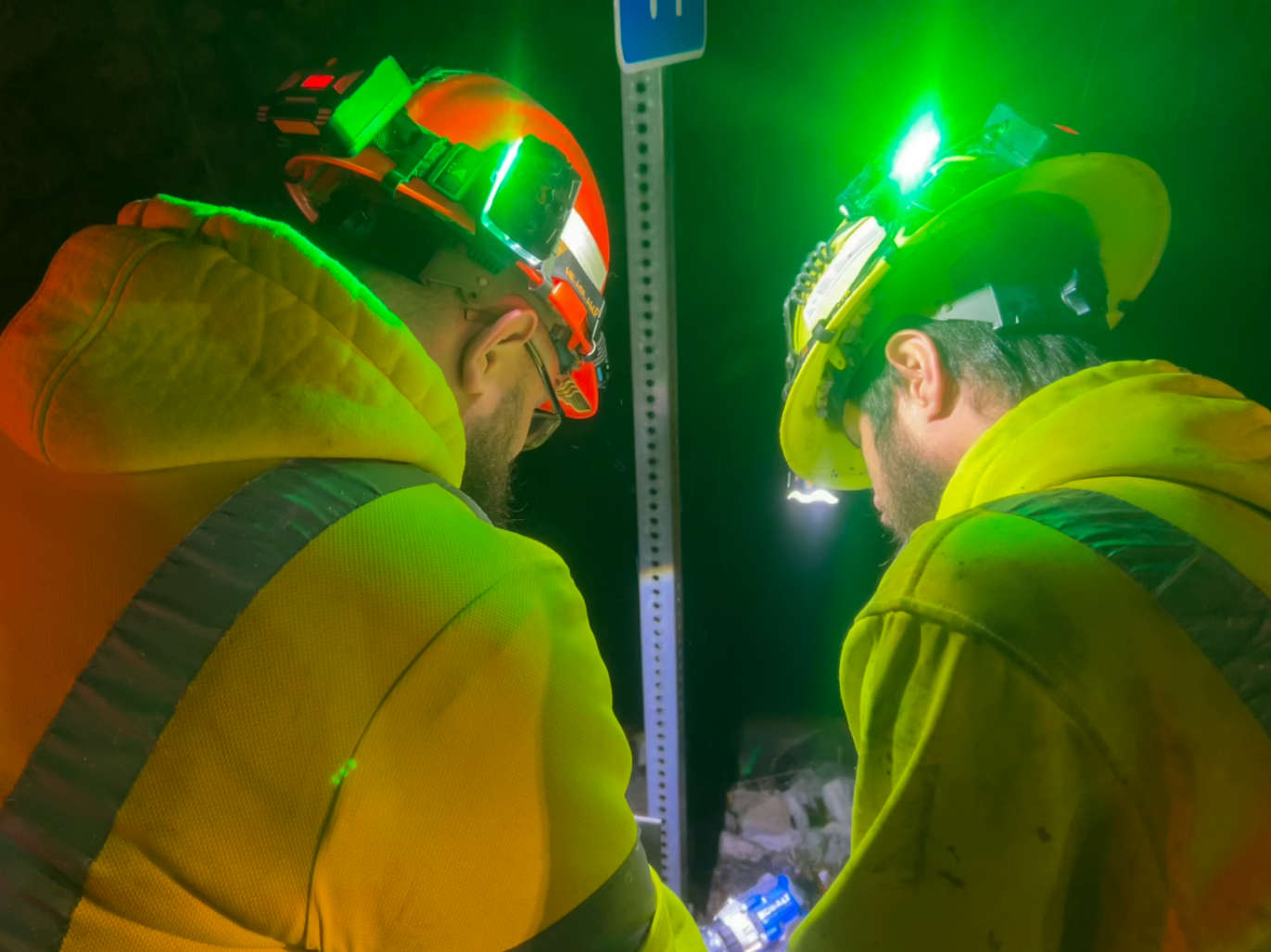 INDOT implements new roadway worker safety initiative: Project Greenlight
 Metz receives ISBE Excel Award
 Good Samaritan Hospital to host annual Wellness Fairs
 Knox County Clerk Shelton files for Indiana Secretary of State race
 Red Hill Unit #10 moves forward with building work
 Illinois State Police announce NITE patrols in southeastern Illinois
 Tornado strikes Crawford County with extensive damages
 Unit #20 moves forward with improvement project