

May is stroke awareness month. Time is of the essence when recognizing stroke symptoms and responding F.A.S.T. Lutheran Kosciusko Hospital wishes to educate the community about stroke so that community members can have the best outcomes.
May is stroke awareness month! Let’s take a look at some of the signs and symptoms of stroke, along with causes, risk factors, and treatment.
The American Heart Association uses the acronym, “F.A.S.T.” for recognizing stroke symptoms. By learning the F.A.S.T. warning signs, you just might save a life:
F: Face: does the person have any facial droop or abnormalities?
A: Arm: does the person have any numbness, weakness or sudden immobility of an extremity?
S: Speech: does the person have any slurred or garbled speech or inability to understand?
T: Time to Call 911: This is the most important part of the acronym. If you notice anyone experiencing these signs and symptoms, call 911 immediately.
Other symptoms may include being off balance, blurred or loss of vision, dizziness, and eyes gazing in another direction.
Do not be tempted to transport yourself to the ER. Paramedics will arrive, begin acute stroke treatment, and ensure your safe transport. Once at the hospital, a CT scan will be performed as well as an electrocardiogram (EKG), lab work, and neurological consultation. If the medical assessment indicates a stroke may have occurred, Tenecteplase (TNK), a powerful blood-thinning medication, is often prescribed to break up the clot while saving brain tissue. The key is TIME. The treatment protocol must be administered within four hours upon the onset of symptoms.
There are two classifications or types of strokes: ischemic and hemorrhagic. Ischemic is caused by a blood clot within the brain that is not allowing blood flow and proper oxygenation to the brain tissue. Hemorrhagic is caused by a bleed within the brain, likely from trauma, high blood pressure, or a ruptured aneurysm. There is also a Transient Ischemic Attack (TIA) where signs and symptoms are temporary. However, there is an increased risk for a much larger stroke.
Factors that increase the probability of having a stroke include high blood pressure, diabetes, high cholesterol, smoking, inactivity, irregular heartbeat and heart failure. Additional risk factors beyond our control include age, race, gender and genetics.
At Lutheran Kosciusko Hospital (LKH), they offer the Koscuisko County's only Primary Stroke Center certified through the Joint Commission and American Heart Association providing comprehensive stroke care treatment. Onsight evaluation by a neurologist and/or telemedicine is available 24/7 in the emergency department which works collaboratively with Lutheran Hospital should a patient require immediate Lutheran Air transportation to a tertiary facility. Kevin McGeehan, D.O., neurologist and medical staff member at LKH, is the stroke accreditation medical director.
 With sectional title in hand, Riverton Parke looks for more
 Nearly 3,000 Indiana students to explore career pathways at LENS Apprenticeship Showcase
 Prep your vehicle for winter weather
 Expanded opportunities for incarcerated Hoosiers through 10-year Ivy Tech partnership
 Legendary Vietnam gun truck to ride DC National Veterans Parade
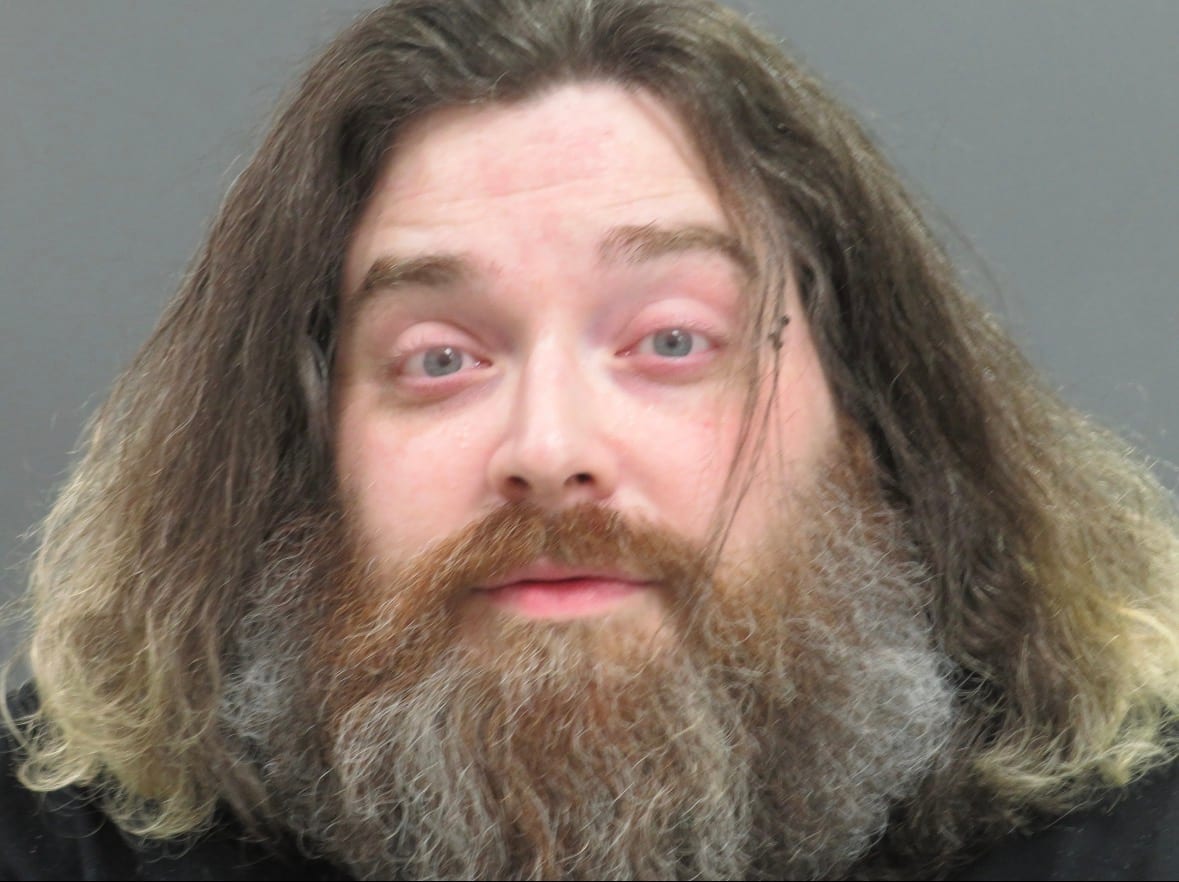 Rockville man arrested on CSAM charge
 Conservation officers remind hunters to prioritize safety during deer season
 Ex-postal worker receives sentence for stealing checks in massive $34 million fraud scheme
 Christmas Nights of Lights returns to Indiana State Fairgrounds for the 2026 holiday season
 MMR vaccines available at Parke County Health Department
 Governor Braun extends gas tax savings
 Smith, Russell earn spots on Rockville Town Board
 Indiana Department of Education changing how schools are graded
 Polls open statewide at 6 a.m. Tuesday
 Keystone and Caledonia Farmers Elevator agree to pursue merger following successful due diligence
 Indiana BMV extends hours ahead of general election
 INDOT reminds drivers stay alert for road crews, Project Greenlight to increase worker visibility
 GROWMARK invests in Wabash Valley Resources’ Indiana ammonia fertilizer project