
On Monday, April 8, 2024, Indiana will be in the path of a total solar eclipse. Whether you’re visiting the state to view the eclipse or a native Hoosier, the Indiana Optometric Association wants you to have the best possible eclipse experience. To that end, the IOA is sharing tips for safe viewing and information to help the public prepare for this once-in-a-lifetime experience.
A total solar eclipse happens when the Moon passes between the Sun and Earth, completely blocking the face of the Sun. This type of solar eclipse will only be seen within the path of totality. A total solar eclipse is the only type of solar eclipse where you can momentarily remove your eclipse glasses or viewers for the brief period of time during totality.
Tips for viewing a total solar eclipse
Except during the brief total phase of a total solar eclipse, when the moon completely blocks the Sun’s bright face, it’s not safe to look directly at the Sun without specialized eye protection for solar viewing.
1. Use approved solar eclipse viewers. The only safe way to view a partially eclipsed sun directly is through special-purpose solar filters, such as “eclipse glasses” or viewers that meet international standard ISO 12312-2 for safe viewing. Sunglasses,
smoked glass, unfiltered telescopes or magnifiers, and polarizing filters are unsafe. Inspect your eclipse glasses or handheld viewer before use – if torn, scratched, or otherwise damaged, discard the device.
2. Technique of the pros. Stand still and cover your eyes with your eclipse glasses or solar viewer before looking up. After viewing, turn away and remove your glasses or viewer — do not remove them while looking at the sun. If you normally wear eyeglasses, wear your eclipse glasses over them, or hold your handheld viewer in front of them.
3. Totality awesome. Only within the path of totality—and once the moon completely blocks the sun—can eclipse viewers safely be removed to view totality. During the partial phases before and after totality, special viewers must be used. Once the sun begins reappearing after totality ends, viewers must be used again to protect your eyes.
4. Visit your Doctor of Optometry. If you should experience discomfort or vision problems following the eclipse, visit your local doctor of optometry for a comprehensive eye examination.
Eclipse glasses are NOT regular sunglasses – regular sunglasses, no matter how dark, are not safe for viewing the sun. Eclipse glasses/solar viewers are at least 1,000 times darker than the darkest sunglasses!
All symptoms should be treated as urgent until viewed by a Doctor of Optometry. If you suspect an eye or vision problem, don’t hesitate to call your local practice – this is the best way to combat potentially severe complications, including vision loss.
For more information on solar eclipses and eye safety, visit www.ioa.org and click on the eclipse resources link.
 Gov. Pritzker announces expansion of the National Corn-to-Ethanol Research Center at SIU - Edwardsville
 2026 Illinois State Fairs' attendance tops 1 million for second consecutive year
 Gas prices on the rise in Indiana
 Lawrence County Board to host budget hearing
 INDOT announcing Lincoln Memorial Bridge closure
 Lawrenceville Police active over the weekend with two arrests
 Another fatal accident in Wabash County
 Lawrenceville approves water system contract changes and new ordinances
 Burn ban issued for Lawrence and Richland Counties
 IDHS warns against disaster assistance fraud
 Richland County Illinois man sentenced on federal child porn charges
 Illinois taking action to assist farmers during harvest season
 Lawrence County Veterans Assistance Commission discusses superintendent hiring
 Applications open for Indiana's Advanced Nuclear Ready Communities Program
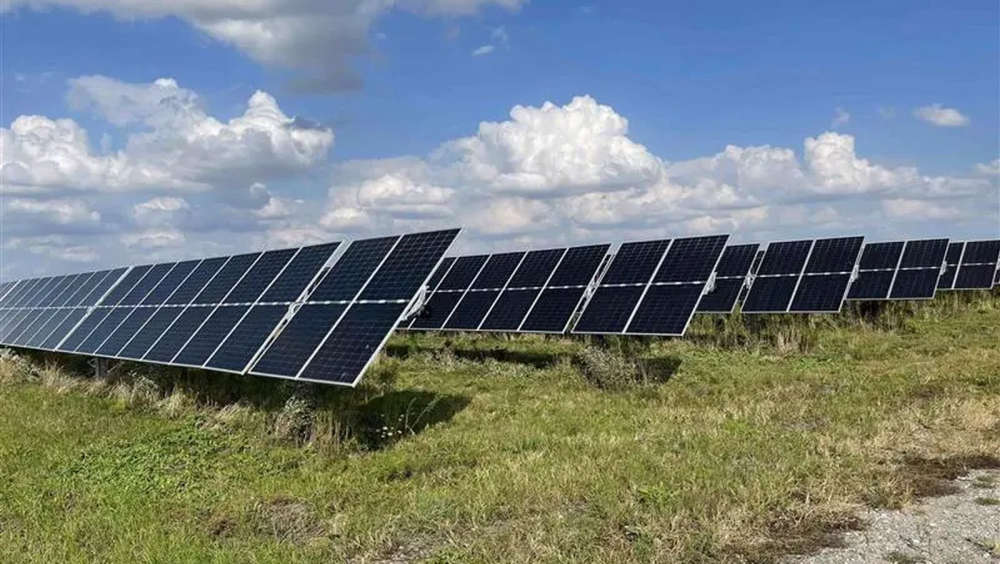 Knox County approves solar setback ordinance on first reading
 One killed in Wabash County pedestrian accident
 Grain marketing company completes Jasper County expansion
 Lawrence County Memorial Hospital adds new administrative position
 USPS schedule for weekend into Columbus Day