
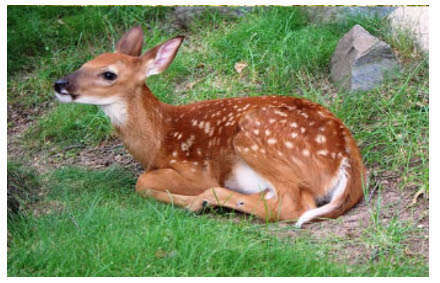
CWD is a fatal neurological disease in white-tailed deer.
As a result of Indiana’s positive detection of chronic wasting disease (CWD) in April, the Indiana Department of Natural Resources (DNR) has restricted moving deer from any CWD Positive Area for rehabilitation purposes.
CWD, described in detail at on.IN.gov/cwd, is a fatal neurological disease in white-tailed deer.
With the change, an individual who finds an orphaned, sick, or injured deer in a CWD Positive Area may only surrender the deer to a DNR-permitted wild animal rehabilitator that is located within a CWD Positive Area.
“This restriction is to help minimize the spread of CWD to new parts of the state, as fawns can carry this disease without appearing sick,” said DNR’s Deer Program lead Joe Caudell.
Currently, there is one CWD Positive Area in Indiana. It includes LaGrange, Steuben, Noble, and DeKalb counties. The state’s first positive case of CWD in white-tailed deer was confirmed by DNR in LaGrange County. While no deer have been documented in Steuben, Noble, or DeKalb counties, those counties are considered part of the CWD Positive Area because of their proximity to where the CWD-positive deer was found.
During their first few weeks of life, fawns often hide by themselves, motionless, to avoid predators while the mother seeks food.
“If you find a fawn alone, remember this, and help keep wildlife wild by letting it be, giving it space, and leaving the area,” Caudell said. “Its mother is likely nearby.”
If you encounter a deer that appears to be injured, consider letting the circle of life take its course, as difficult as this decision might be. If you plan to intervene with an injured or orphaned animal, learn about best practices at on.IN.gov/keepwildlifewild.
Before contacting a permitted wildlife rehabilitator for assistance, confirm that the deer is truly injured or orphaned. Look for obvious signs of injury, lethargy, constant vocalization, or an infestation of insects. Another reason for contacting a wildlife rehabilitator for assistance is having knowledge that the mother has been killed or hasn’t returned in several days (remembering that the mother may return only at night). A list of permitted rehabilitators is at on.IN.gov/wildliferehab.
If you see a deer that appears diseased, keep your distance and report it at on.IN.gov/sickwildlife. A DNR health biologist will review the case and determine if action is needed.
For best practices for the removal of dead wildlife, visit on.IN.gov/livingwithwildlife.
 Knox County approves solar setback ordinance on first reading
 One killed in Wabash County pedestrian accident
 Grain marketing company completes Jasper County expansion
 Lawrence County Memorial Hospital adds new administrative position
 USPS schedule for weekend into Columbus Day
 Public testing of Lawrence County election equipment on October 20th
 Illinois Wheat Development Board to hold district elections
 Hunters can donate deer to help feed hungry Hoosiers
 City of Lawrenceville issues statement on wastewater treatment plant
 Fugitive Lawrence County man captured
 Warrant now issued for Lawrence County fugitive
 Bridgeport PD reemphasize safety concerns in search for man connected to stabbing incident
 Lawrence County Chamber of Commerce announces new Director
 State of Illinois takes legal action against city of Lawrenceville
 Trial date set for Vincennes man charged in fatal fire case
 Last day to ask your question for Indiana's next Secretary Of State
 Lawrence County residents urged to get vaccinated
 One killed in southwestern Indiana collision