
Winter officially begins this Saturday, bringing freezing rain, snow and plummeting temperatures. Families can prepare now to stay safe, warm and protect their homes with guidance from FEMA’s #WinterReady campaign.
“It’s never too early to think about what you would do if stranded on the side of the road or stuck at home without power during a snowstorm,” said FEMA Region 5 Regional Administrator Tom Sivak. “Taking steps today—like making a plan and assembling emergency kits with essential items like food, water, medications and pet supplies—can make all the difference when winter weather strikes.”
Here are a few things to keep in mind as winter rolls in:
- Wear a coat and dress in layers if you work outside or participate in outdoor activities. This will help regulate your body heat and keep you warm. Be sure to keep your skin covered by wearing a hat, scarf and mittens. Hats help keep the body warmer and mittens are more effective than gloves.
- Know what to do if you experience frostbite or hypothermia. If the cold causes pain in your body, numb or tingly skin, slurred speech, or shivering, go indoors immediately. Remove wet clothing, wrap up in a warm blanket and if you can, sip on warm fluids to stabilize your body temperature.
- Gather supplies for your emergency kits. It’s important to keep an emergency kit in your home. This kit should include nonperishable food, a can opener, water, blankets, prescription medications, a weather radio, a flashlight with extra batteries, a portable cell phone charger, kid-friendly activities, and pet food. It’s also a good idea to make sure everyone in the family has the phone numbers for emergency contacts. It’s also important to keep an emergency kit in your vehicle in case you are stranded in the cold. This kit should include an ice scraper, jumper cables, a small shovel, blankets, nonperishable food, water and a portable cell phone charger.
- Heat your home safely. If you use a space heater, remember to keep it at least three feet away from items like curtains, rugs, furniture, bedding and other items that can burn. The heaters should be plugged directly into the wall and the cords should not be frayed or damaged. Never use a gas stovetop or oven to heat your home. This can release carbon monoxide into the air and cause serious health risks, even death.
- Check on elderly friends and neighbors. Older adults often have a harder time regulating body temperature, so they are at a higher risk of experiencing cold-weather related injuries. Be sure to check in on them to see if their heat is working properly and they have what they need to make it through the cold.
To learn more about how to prepare for extreme cold and severe winter weather, visit #WinterReady | Ready.gov. The #WInterReady campaign also offers messaging, graphics and resources to help educate the public on the risks of winter weather, promote fire safety and urge caution when travelling in winter weather. Access these tools by visiting #WinterReady Partners Toolkit.
 Lawrence County drivers reminded of Child Passenger Safety Week
 Fire injures one person in Vincennes
 2026 Red Hill High School Homecoming schedule released
 Farm harvest safety reminders for drivers
 Southwestern Indiana fugitive arrested in Illinois after multi-county chase
 Governor Braun proclaims Indiana Rail Safety Week September 21-27
 City of Lawrenceville to begin hydrant flushing
 Rose visits Lawrence County on district-wide listening tour
 Lawrence County (ILL.) man charged with child sex crime
 LCMH promotes Diesser to Lead Cardiopulmonary Nurse
 IECC District #529 passes budget and district plans
 Lawrence County Fall Festival entertainment rescheduled
 Lawrence County Board approves moratorium on data centers; solar project moving forward
 Vincennes Lincoln High School among those to receive banner recognition from Special Olympics North America
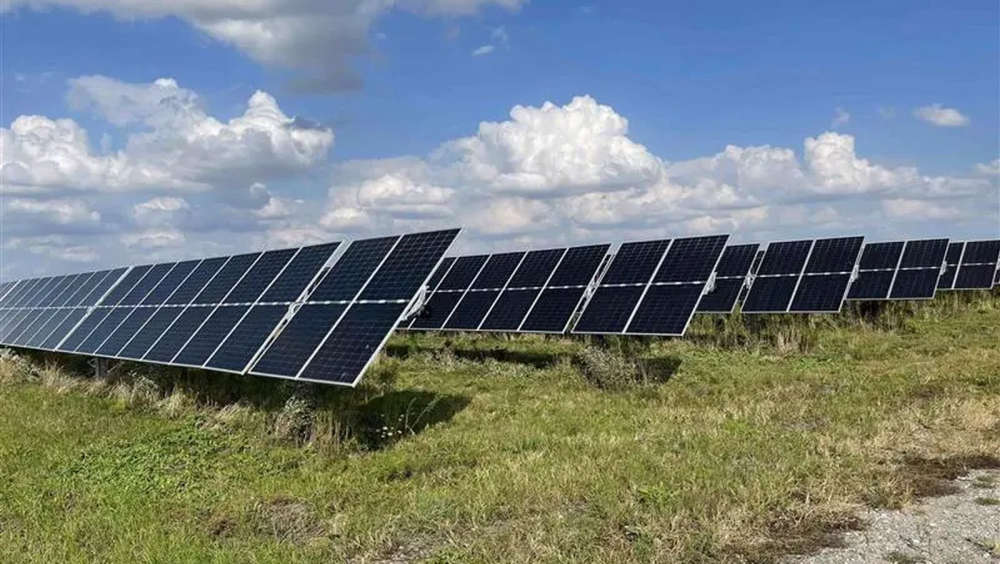 New solar project moving forward in Knox County
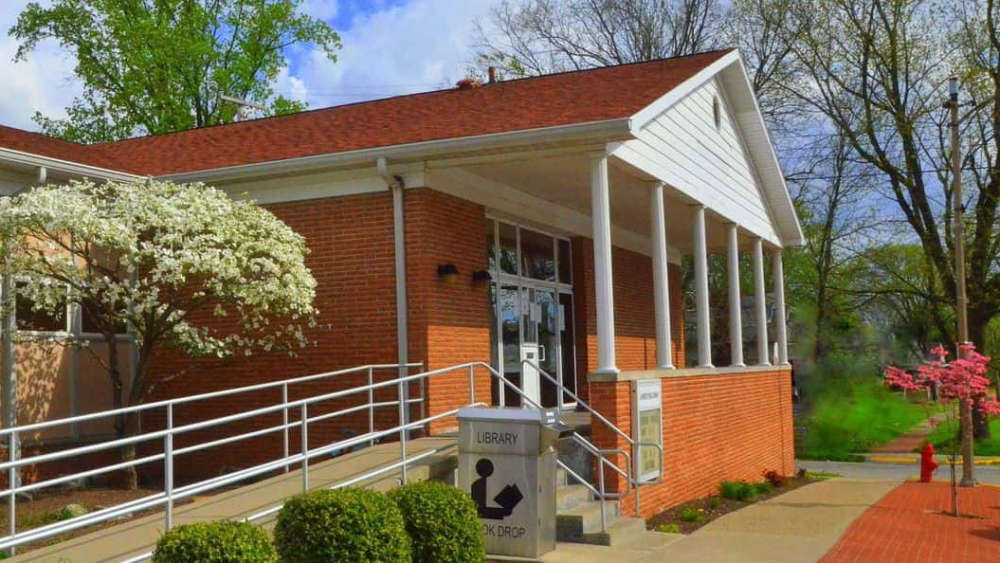 Lawrence Public Library is solid financial shape for the future
 United Way of Knox County Day of Caring Set for September 17–18