

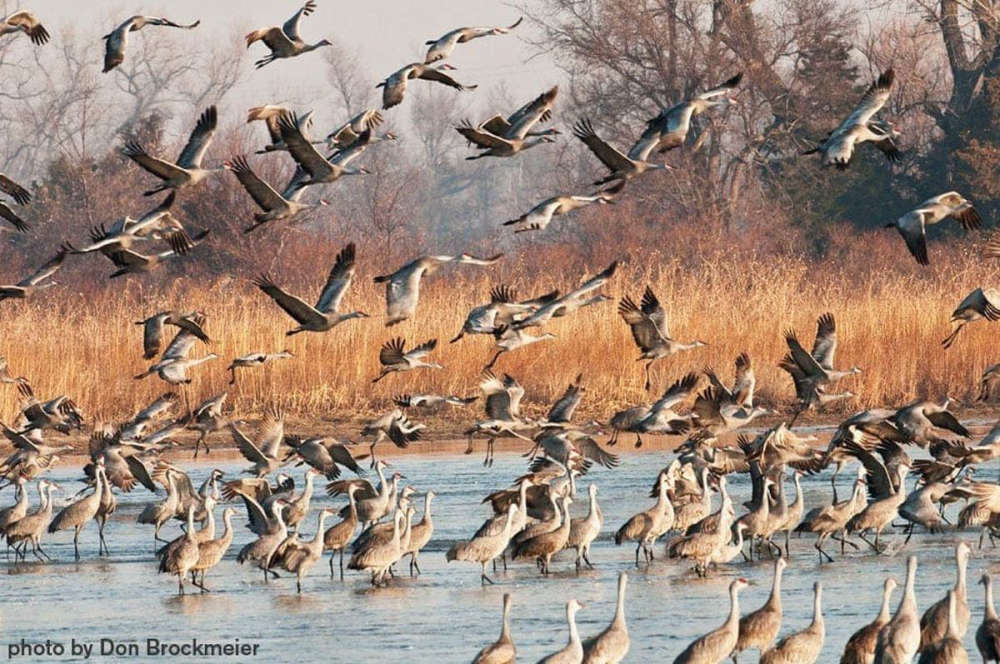
Thousands of Sandhill Cranes visit the area's shallow marshes.
Sandhill cranes can be seen at Jasper-Pulaski Fish & Wildlife Area through December.
Thousands of Sandhill Cranes visit the area's shallow marshes from mid-October through mid-December each fall. Crane numbers peak in late November or early December.
DNR staff at Jasper-Pulaski Fish & Wildlife Area make weekly crane counts during peak fall migration.
Four to six property staff members perform the counts before sunrise. They are stationed in parked vehicles in separate areas of the property. Each person counts small groups of cranes as they leave the roost for the day, fly overhead in their assigned directions, and jot down their counts on paper. Toward the end of each count, one of the property managers checks the waterfowl resting area where the cranes were roosting, lets the other staff know when most cranes are out for the day, and estimates the remaining number of cranes, if any, remain. When each staff member returns to the office with their paper, the property manager tallies each set of numbers for the final weekly count.
Best time to view
· Sunrise: Gigantic flocks rise and fly from their roosting marshes to feed in surrounding private agricultural fields. On their way to feed, some birds stop in the open grassland areas of the refuge.
· Sunset: Beginning about one hour before sunset, flocks of cranes kite into the refuge near the observation area from all directions. They gab and socialize again before returning to roosting marshes at dusk.
While this is the cranes’ usual routine, it is important to remember they are wild animals and are not always predictable.
Best location to view
The crane spectacle is best seen from the observation platform at the Sandhill Crane Observation Area. During the day, cranes can be spotted feeding and dancing in nearby harvested farm fields. Roosting marshes in the Waterfowl Resting Area are closed to the public so that migrating birds can rest without human disturbance.
Viewing tips
While cranes may gather close to the observation platform, they are usually several hundred yards away. A few stationary viewing scopes are available, but it is recommended that you bring your own spotting scope or binoculars. If you photograph cranes, your most powerful zoom lens will be handy, as getting too close to these birds will easily spook them.
 INDOT Knox County ramp closure
 Southeastern Illinois serial killer's murder conviction stands
 New business venture coming to downtown Vincennes
 Lawrence County arrests
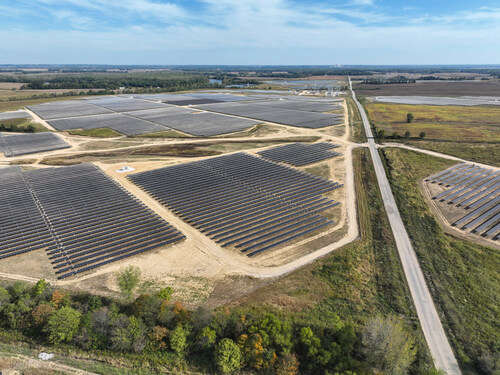 Origis Energy brings solar project online in Knox County
 Red Hill Unit #10 to update district cellphone policy
 Bridgeport City Council getting new police officer and water system operator
 LCMH announces municipal medivac contract
 Lawrence County Board updated on veterans initiative
 IDOT bridges replacement project continues in Lawrence County
 VA announces $112M grant opportunity to strengthen community-based suicide prevention efforts
 Lawrence County bridge construction project
 Low voter turnout for Lawrence County primary election
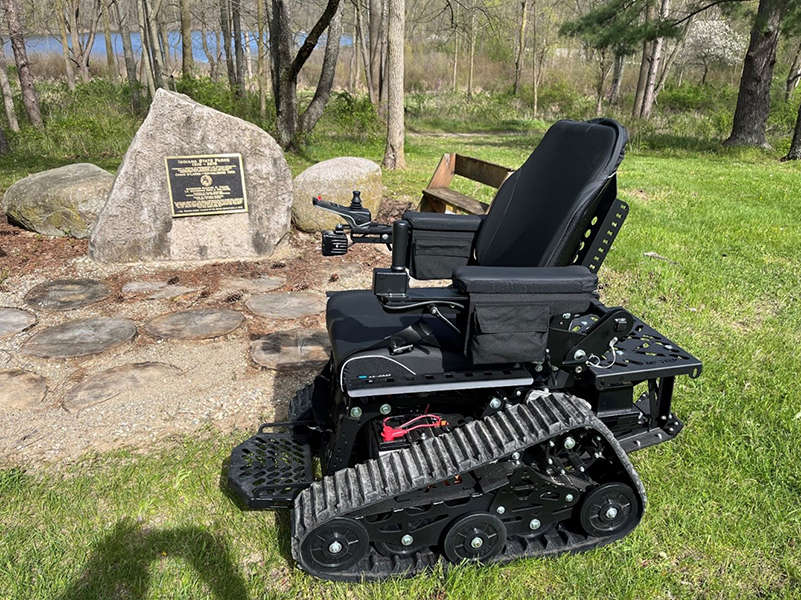 New track chairs make Indiana a national leader in accessibility at state parks
 Lawrenceville City Council welcomes new member
 Special Olympics Indiana hosting 54th annual state basketball tournament
 Preschool screenings coming up for Lawrence Unit #20