

Starke County has been named as having confirmed highly pathogenic avian influenza.
Starke County has been named as having confirmed highly pathogenic avian influenza.
The Indiana Department of Natural Resources (DNR) confirmed highly pathogenic avian influenza (HPAI) as the cause of death in waterfowl in Gibson County in December and suspects HPAI as the cause of waterfowl deaths in Allen, Benton, Hamilton, Lake, LaPorte, Newton, Pike, Porter, Starke, Tippecanoe, and Vermillion counties over the last six weeks.
The recent positive detections of HPAI H5 are part of 98 positive detections across the state in waterfowl since 2022. DNR began this testing in waterfowl and raptors in 2022 and increased testing in hunter harvested waterfowl with assistance from the U.S Department of Agriculture. With this increased testing, additional detections of HPAI are to be expected.
Most waterfowl species affected are snow geese and Canada geese, but Indiana DNR has also noted deaths in mute swans, tundra swans, mallards, American white pelicans, common goldeneyes, and double crested cormorants.
If you find wild waterfowl that are dead for no obvious reason, or showing any of the following signs, report it online at on.IN.gov/sickwildlife.
Signs of HPAI in waterfowl include:
• Sudden death
• Neurological impairment (e.g., lack of coordination, swimming in circles, tremors, twisted neck)
• Lack of energy and appetite
• Swelling of the head, neck, and eyes
• Nasal discharge, cough, sneezing, lack of coordination, and diarrhea.
The U.S. Fish and Wildlife Service recommends that waterfowl hunters wear protective clothing such as face masks and gloves to process birds, and to process birds in a well-ventilated area or outdoors. Meat harvested from waterfowl should be cooked to an internal temperature of 165°F before consumption.
According to the Centers for Disease Control and Prevention (CDC), the public health risk for HPAI is low. However, it is possible for humans to contract HPAI. Members of the public should avoid contact with sick waterfowl and other sick wildlife whenever possible. If a carcass must be handled, wear disposable gloves and a mask, and wash hands with soap and water immediately afterward.
Please contact your healthcare provider if you come into contact with waterfowl and develop flu-like symptoms, including fever, chills, cough, sore throat with or without conjunctivitis within 10 days of exposure.
Some domestic and agricultural animals are also known to be susceptible to HPAI, including poultry, cattle, and cats. If you have these animals at home, be sure to process any harvested waterfowl away from your animals and practice good biosecurity measures.
For more information on HPAI, visit on.IN.gov/avian-flu
For more information about poultry biosecurity measures, visit aphis.usda.gov/livestock-poultry-disease/avian/defend-the-flock.
If you see any of your poultry acting sick or find any dead, please report it to the Board of Animal Health at IN.gov/boah/species-information/avianbirds/small-flock-and-exhibition-poultry/sick-andor-dead-poultry-questionnaire/.
 Red Hill Unit #10 to start SAC project
 LCHS to hold special meeting at courthouse
 Lawrence County Unit #20 continues principal selection process
 New agency directors introduced in Lawrence County
 Area man sentenced to federal prison
 Dana closing its doors in Robinson, over 80 jobs lost
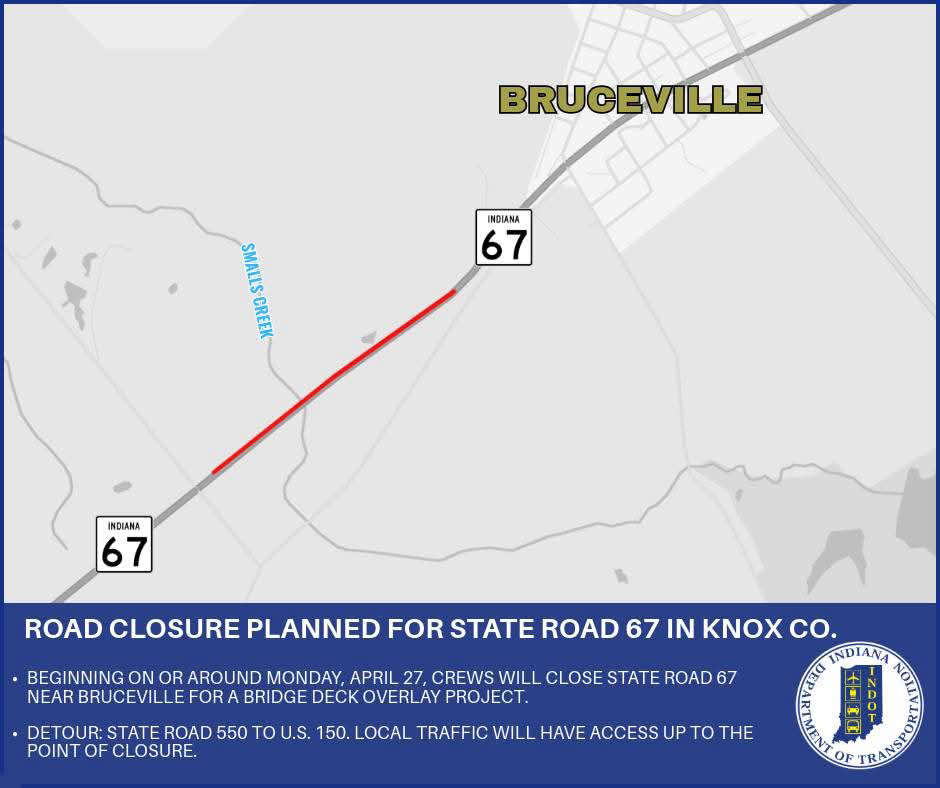 Road closure planned for State Road 67 in Knox County
 Bridgeport sets city wide cleanup dates
 LCMH names new Chief Medical Officer
 Vehicle pursuit leads to multiple charges against Lawrence County woman
 Two wanted subjects picked up in Lawrence County
 New housing development moves forward in Vincennes
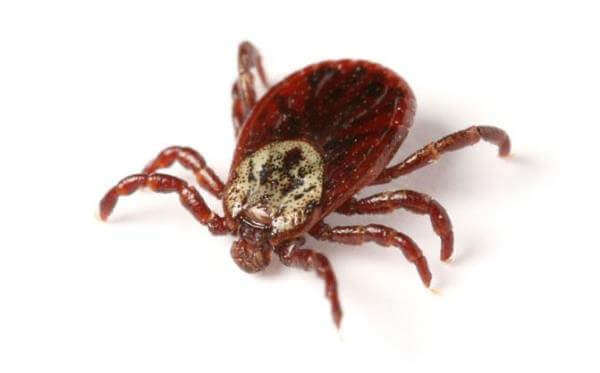 People urged to take precautions against tick-borne disease as risk increases with warmer weather
 First Brand Group sale approved
 LCHS to co-host special program
 Vincennes man arrested after pursuit that reached 150 mph
 Lawrenceville city officials to meet with EPA
 Hoosiers may qualify for free well water testing
 St. Francisville City Council approves street and alley work