

As temperatures drop, an invisible threat may be increasing in your home. Radon, a naturally occurring radioactive gas, tends to accumulate at higher levels during colder months. The Marshall County Health Department tells you what you need to know:
Radon is a colorless, odorless, tasteless gas that forms from the natural decay of uranium in soil and rocks. It can seep into homes through cracks in foundations, walls, and other openings.
Radon is the second leading cause of lung cancer after smoking. Long-term exposure significantly increases cancer risk, even for non-smokers.
In colder weather homes are more tightly sealed, trapping radon indoors. Heating systems can create pressure differences that draw radon from the ground and frozen soil can prevent radon from escaping into outdoor air.
The only way to know your home's radon level is to test it. Inexpensive DIY test kits are available, or you can hire a professional.
If high levels are detected, radon reduction systems can be installed to protect your family.
The Marshall County Health Department wants families to take action now to ensure their home is safe. Protect your loved ones from this silent health threat!
 IDPH releases carbon monoxide surveillance report, urges CO detector use
 Knox County Solid Waste looking for new Executive Director
 Lawrence County authorities make three weekend arrests
 Indians capture regional title
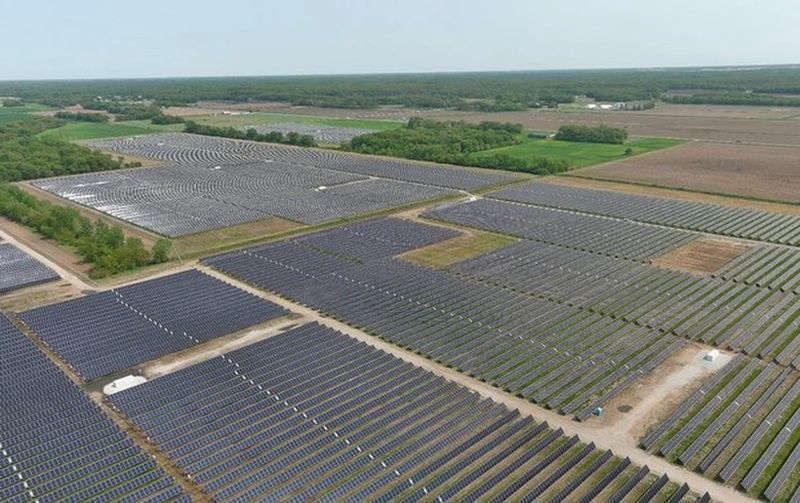 Knox County Commissioners host public meeting on solar ordinance Sunday
 NWS warns of elevated fire risk
 Vincennes among ten Indiana Communities to launch Creative Convergence projects
 IECC to hold SPIN nights
 INDOT Knox County bridge replacement project
 Southwestern Indiana situation ends without incident
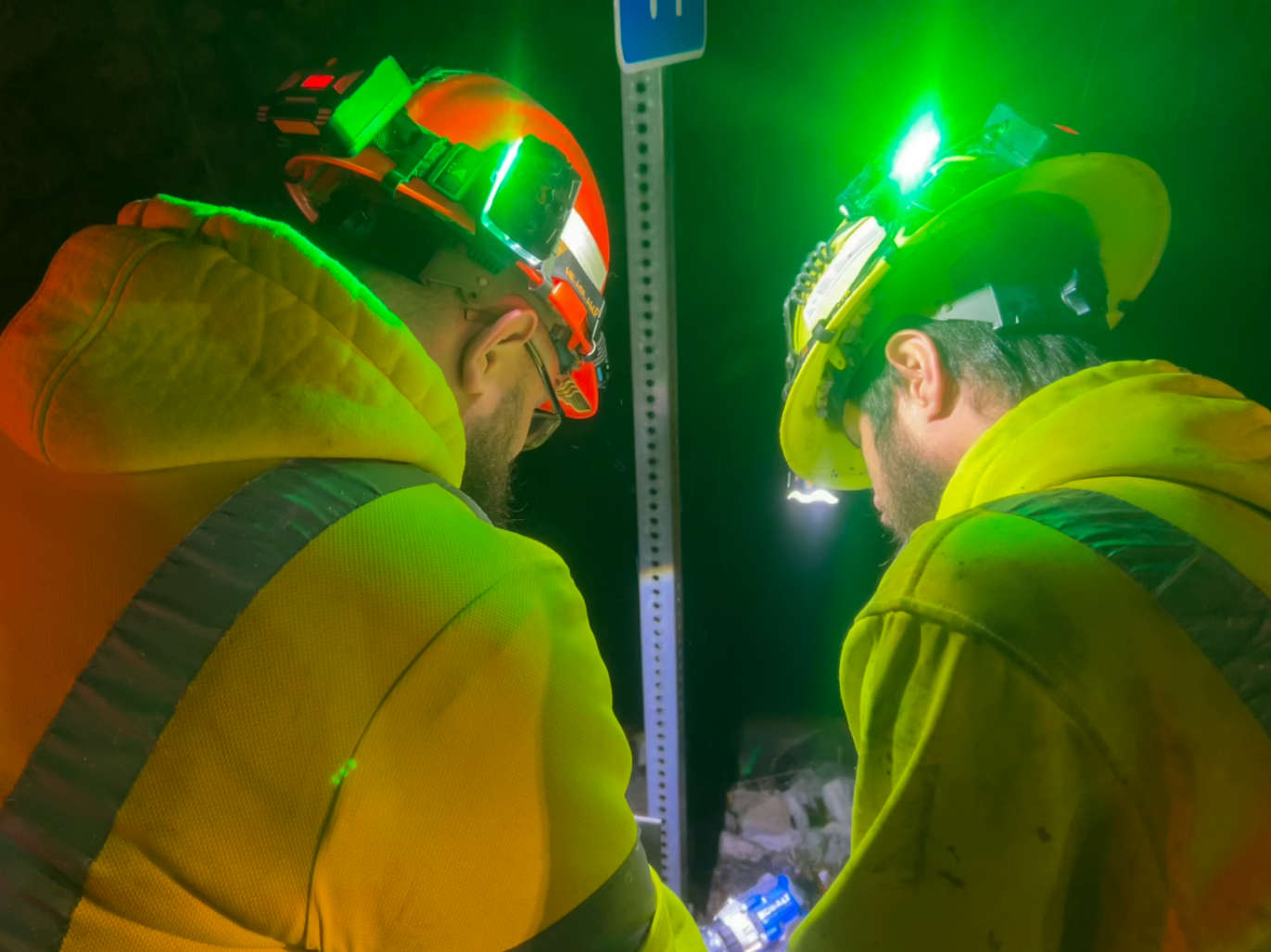 INDOT implements new roadway worker safety initiative: Project Greenlight
 Metz receives ISBE Excel Award
 Good Samaritan Hospital to host annual Wellness Fairs
 Knox County Clerk Shelton files for Indiana Secretary of State race
 Red Hill Unit #10 moves forward with building work
 Illinois State Police announce NITE patrols in southeastern Illinois
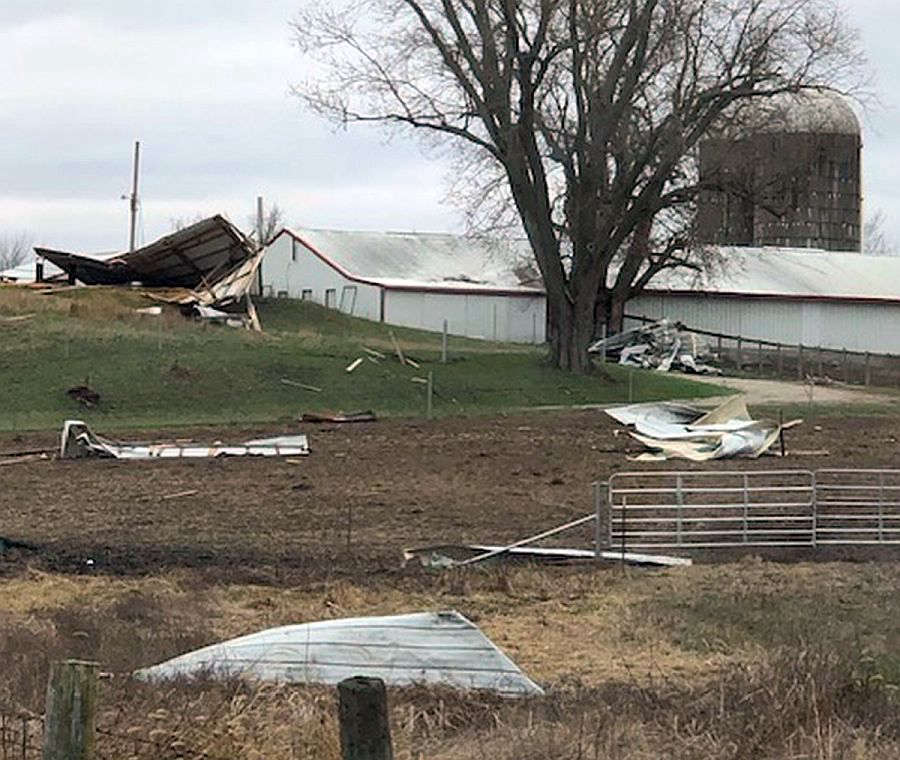 Tornado strikes Crawford County with extensive damages
 Unit #20 moves forward with improvement project