
News
On Monday, April 8, 2024, Indiana will be in the path of a total solar eclipse. Whether you’re visiting the state to view the eclipse or a native Hoosier, the Indiana Optometric Association wants you to have the best possible eclipse experience. To that end, the IOA is sharing tips for safe viewing and information to help the public prepare for this once-in-a-lifetime experience.
A total solar eclipse happens when the Moon passes between the Sun and Earth, completely blocking the face of the Sun. This type of solar eclipse will only be seen within the path of totality. A total solar eclipse is the only type of solar eclipse where you can momentarily remove your eclipse glasses or viewers for the brief period of time during totality.
Tips for Viewing a Total Solar Eclipse
Except during the brief total phase of a total solar eclipse, when the Moon completely blocks the Sun’s bright face, it’s not safe to look directly at the Sun without specialized eye protection for solar viewing.
1. Use approved solar eclipse viewers. The only safe way to view a partially eclipsed sun directly is through special-purpose solar filters, such as “eclipse glasses” or viewers that meet international standard ISO 12312-2 for safe viewing. Sunglasses, smoked glass, unfiltered telescopes or magnifiers, and polarizing filters are unsafe. Inspect your eclipse glasses or handheld viewer before use – if torn, scratched, or otherwise damaged, discard the device.
2. Technique of the pros. Stand still and cover your eyes with your eclipse glasses or solar viewer before looking up. After viewing, turn away and remove your glasses or viewer — do not remove them while looking at the sun. If you normally wear eyeglasses, wear your eclipse glasses over them, or hold your handheld viewer in front of them.
3. Totality awesome. Only within the path of totality—and once the moon completely blocks the sun—can eclipse viewers safely be removed to view totality. During the partial phases before and after totality, special viewers must be used. Once the sun begins reappearing after totality ends, viewers must be used again to protect your eyes.
4. Visit your Doctor of Optometry. If you should experience discomfort or vision problems following the eclipse, visit your local Doctor of Optometry for a comprehensive eye examination.
Eclipse glasses are NOT regular sunglasses – regular sunglasses, no matter how dark, are not safe for viewing the sun. Eclipse glasses/solar viewers are at least 1,000 times darker than the darkest sunglasses!
All symptoms should be treated as urgent until viewed by a Doctor of Optometry. If you suspect an eye or vision problem, don’t hesitate to call your local practice – this is the best way to combat potentially severe complications, including vision loss.
For more information on solar eclipses and eye safety, visit www.ioa.org and click on the eclipse resources link.
Founded in 1897, the Indiana Optometric Association is the voice of Doctors of Optometry in service to the eye and vision care needs of the citizens of Indiana.
 Indiana AG reminds Hoosiers to be alert to signs of human trafficking
 LCMH to host Girls Night Out
 Knox County extends road weight limits
 BFPD announces officer promotions
 Red Cross seeks donations to curb severe blood shortage
 IDPH releases carbon monoxide surveillance report, urges CO detector use
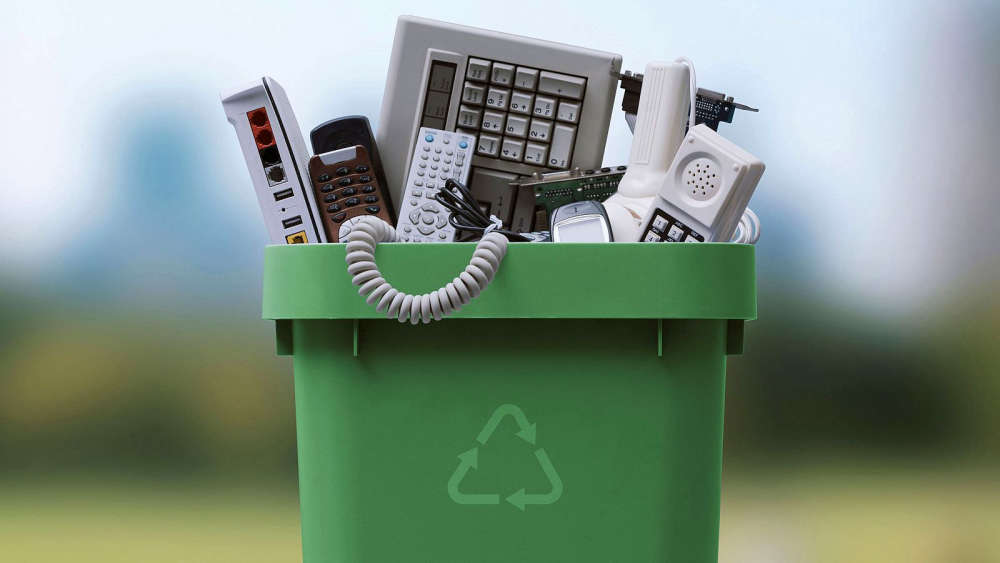 Knox County Solid Waste looking for new Executive Director
 Lawrence County authorities make three weekend arrests
 Indians capture regional title
 Knox County Commissioners host public meeting on solar ordinance Sunday
 NWS warns of elevated fire risk
 IECC to hold SPIN nights
 INDOT Knox County bridge replacement project
 Southwestern Indiana situation ends without incident
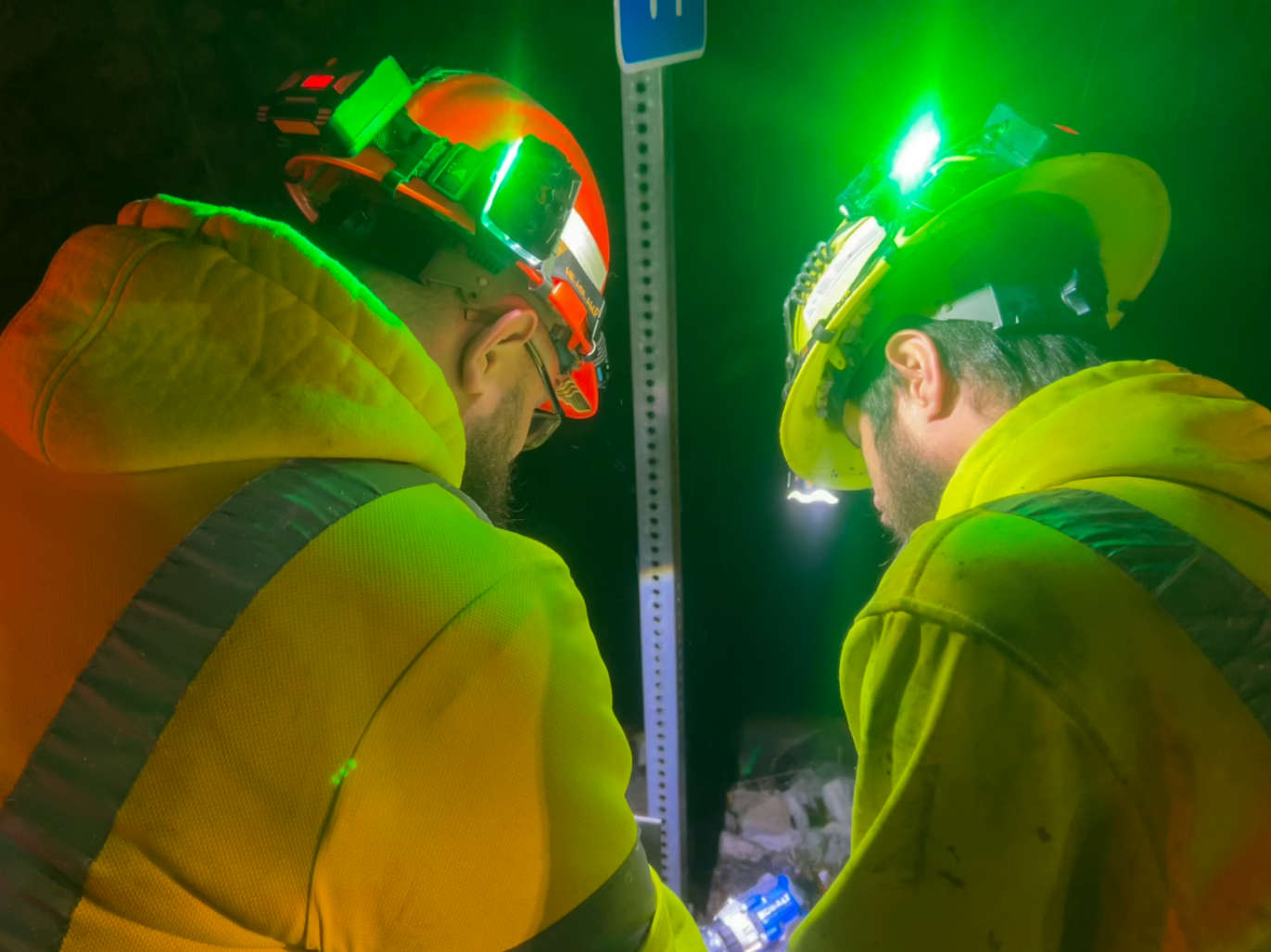 INDOT implements new roadway worker safety initiative: Project Greenlight
 Metz receives ISBE Excel Award
 Good Samaritan Hospital to host annual Wellness Fairs