

first-west-nile-virus-case-of-2023-reported-in-johnson-county-resident
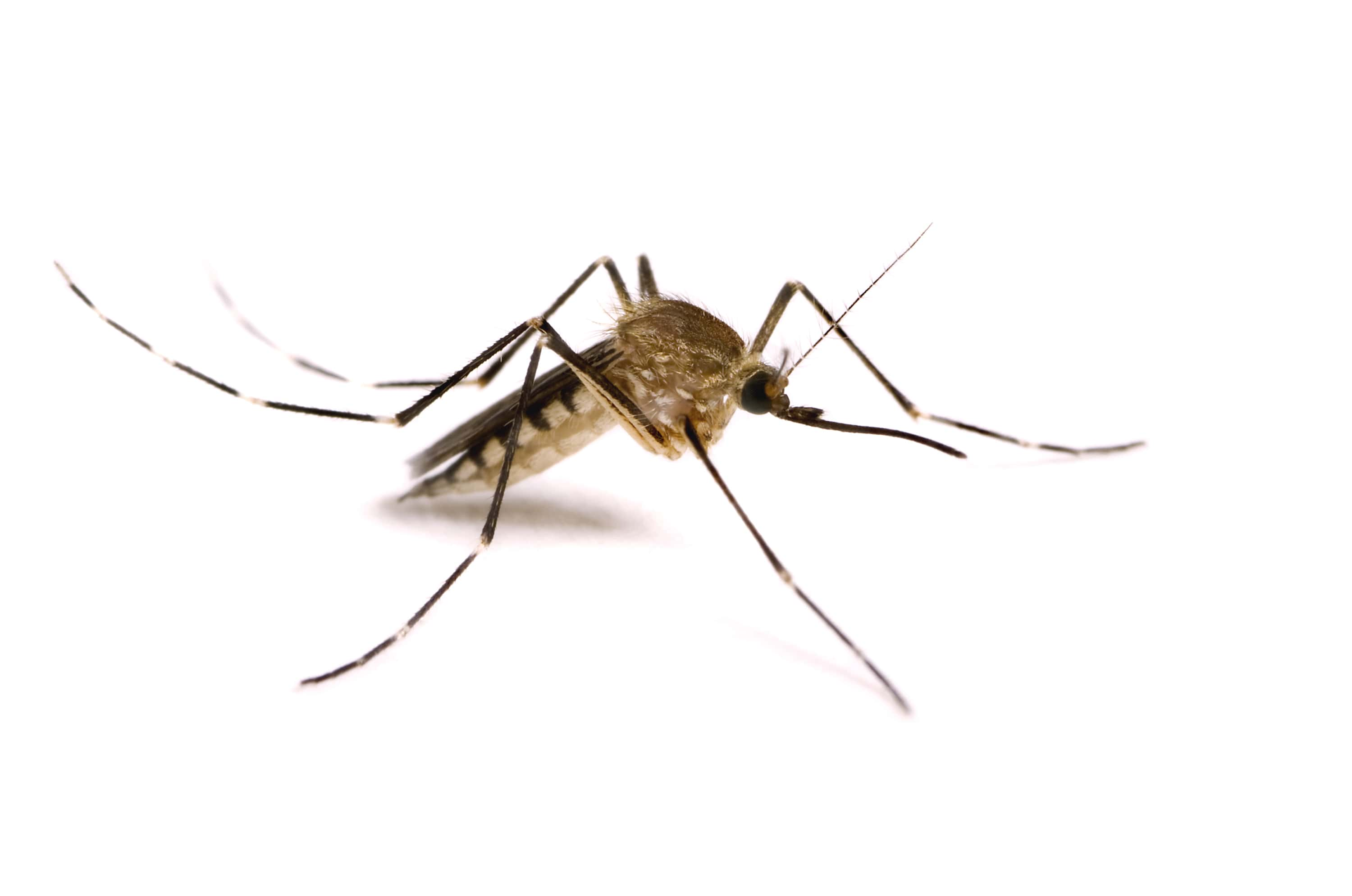
State health officials are urging Indiana residents to protect themselves from mosquito bites following the identification of the first West Nile virus disease case of 2023 in a Johnson County resident, as well as multiple detections of West Nile virus in mosquitoes across the state.
No additional information about the patient will be released due to privacy laws.
To date, 225 mosquito samples taken from 60 counties have tested positive for West Nile virus.
“The risk of mosquito-borne disease remains through the first hard freeze, so it is important that Hoosiers take precautions against mosquito bites until then,” said State Health Commissioner Lindsay Weaver, M.D., FACEP. “Mosquito season is far from over, and simple prevention steps can help Hoosiers enjoy the outdoors without putting themselves at unnecessary risk.”
Mosquitoes can transmit viruses such as West Nile virus, Eastern equine encephalitis (triple-E) virus, and La Crosse virus. State health officials recommend the following measures to prevent mosquito-borne diseases:
Apply an EPA-registered insect repellent containing DEET, picaridin, IR3535, oil of lemon eucalyptus, para-menthane-diol, or 2-undecanone to clothes and exposed skin; Avoid being outdoors when mosquitoes are active (especially early morning, late afternoon, and the hours between dusk and dawn); Cover exposed skin by wearing a hat, long sleeves and long pants in places where mosquitoes are especially active, such as wooded areas; Install or repair screens on windows and doors to keep mosquitoes out of the home.Even a container as small as a bottle cap can become a mosquito breeding site, so Hoosiers should take the following steps to eliminate them:
Discard old tires, tin cans, ceramic pots or other containers that can hold water; Repair failed septic systems; Drill holes in the bottom of recycling containers left outdoors; Keep grass cut short and shrubbery trimmed; Clean clogged roof gutters, particularly if leaves tend to plug up the drains; Frequently replace the water in pet bowls; Flush ornamental fountains and birdbaths periodically; and, Aerate ornamental pools, or stock them with predatory fish.West Nile virus can cause West Nile fever, which can include fever, headache, body aches, swollen lymph glands or a rash. Some people will develop a more severe form of the disease affecting the nervous system, including inflammation in the brain and spinal cord, muscle paralysis, or even death. People older than 60 years are at higher risk of severe West Nile virus disease. People who think they may have West Nile virus disease should see their healthcare providers.
Visit the Indiana Mosquito-Borne Activity Dashboard to see the latest updates on human cases and positive mosquito pools.
To learn more about West Nile virus, click here. Information about Eastern equine encephalitis virus can be found here. To learn more about La Crosse virus, click here.
 Lawrence County (ILL.) burn ban temporarily lifted
 City of St. Francisville cracking down on junk in yards and alleys and tall grass
 Two Lawrence County men in custody after burglary investigation
 Bridgeport Police make arrest in school threat incident
 City of Bridgeport continues bridge and infrastructure repairs
 Gov. Braun extends tax filing deadline for Hoosiers impacted by August storms
 Lawrence County issues burn ban
 Lawrence County Veterans Commission moving forward
 Governor Braun delivers another month of gas savings for Hoosier families
 Find a cooling center near you with Indiana 211
 LAFPD Trustee position open
 Statewide standards for E-bikes, E-motos and other electric devices protect riders, pedestrians and motorists
 Lawrenceville city election petitions now available
 Puntney named as new chairman of LCMH Board
 USDA offers disaster assistance to Ag producers in Indiana impacted by recent flooding
 Two Lawrence County 4-H members are project state champions
 Indiana man dies after weekend motorcycle accident; injuries reported in another in Lawrence County (Ill.)
 Lawrence County man sentenced on federal meth charges
 Heat Advisory in effect for southeastern Illinois