
Indiana is on track to exceed federal requirements to improve air quality in national parks, ensuring the region's most treasured natural areas remain protected and visible for future generations, under a long‑term air‑quality plan recently approved by the U.S. Environmental Protection Agency (EPA).
Indiana's latest Regional Haze State Implementation Plan, developed by the Indiana Department of Environmental Management (IDEM) Office of Air Quality, includes a sound long-term visibility strategy and satisfies current federal Regional Haze Rule requirements.
“Clearer skies don’t just improve air quality, they help showcase the natural beauty that draws millions of visitors to our region each year. Indiana is proud to play a role in protecting the views and outdoor experiences that support tourism and strengthen local economies," said Governor Mike Braun.
IDEM reported significant reductions for two of the primary contributors to haze since 2016, including roughly a 35% reduction in sulfur dioxide emissions and a 30% reduction in nitrogen oxides. In approving the plan, the EPA agrees with IDEM that additional controls are not needed to achieve reasonable progress by the next planning period.
EPA data on Class I areas further confirms accelerating progress in reducing visibility impairments. For many Class I areas in the Midwest, visibility for both the clearest and most impaired days improved dramatically since 2000.
"EPA’s approval confirms the success of federal-state partnerships in reducing emissions and supporting clearer skies in our national parks and other federal lands while also demonstrating the significant progress Indiana has made in improving regional air quality," said IDEM Commissioner Clint Woods.
The 1999 Regional Haze Rule, 40 CFR § 51.308, requires states to assess emissions impacts on any Class I areas within their borders and Class I areas outside the state which the EPA has determined are affected by that state's emissions. Class I areas include national parks over 6,000 acres, national wilderness areas, national memorial parks over 5,000 acres, national monuments, and other areas of special national and cultural significance.
Although no Class 1 areas exist in Indiana, IDEM was required to evaluate visibility impacts on 19 other Class I areas, the closest of which includes Mammoth Cave in Kentucky. Indiana Dunes National Park is not a Class 1 area and is excluded from visibility evaluation.
“This approval reflects the strong science and careful planning behind Indiana’s air quality programs. Our data show real reductions in haze‑forming pollutants and continued improvement for Indiana," said IDEM Office of Air Quality Assistant Commissioner Matt Stuckey.
IDEM along with other state environmental agencies are currently preparing for the third Regional Haze planning period, which covers 2028–2038. EPA has extended the deadline for the next round of SIP submissions to July 31, 2031.
To read Indiana's State Implementation Plan and learn more about regional haze, visit IDEM's website, idem.IN.gov/sips/regional-haze
 Lawrence County Unit #20 continues principal selection process
 New agency directors introduced in Lawrence County
 Area man sentenced to federal prison
 Dana closing its doors in Robinson, over 80 jobs lost
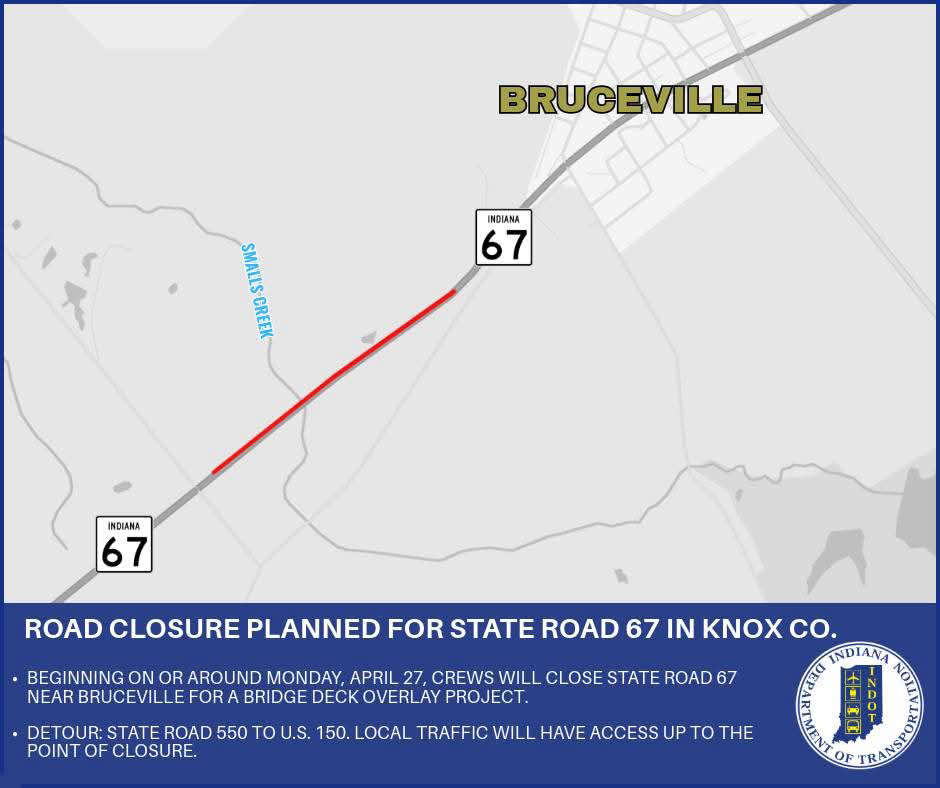 Road closure planned for State Road 67 in Knox County
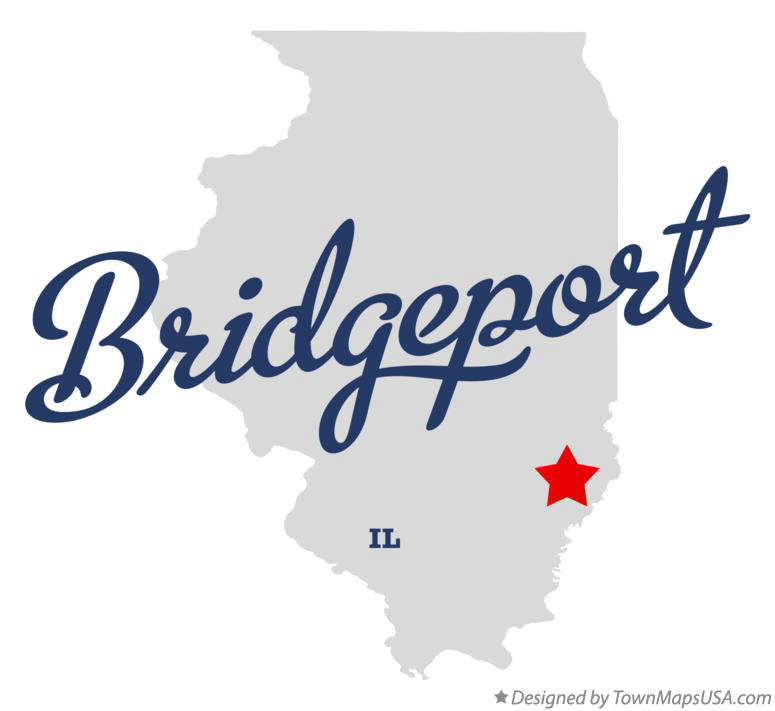 Bridgeport sets city wide cleanup dates
 LCMH names new Chief Medical Officer
 Vehicle pursuit leads to multiple charges against Lawrence County woman
 Two wanted subjects picked up in Lawrence County
 New housing development moves forward in Vincennes
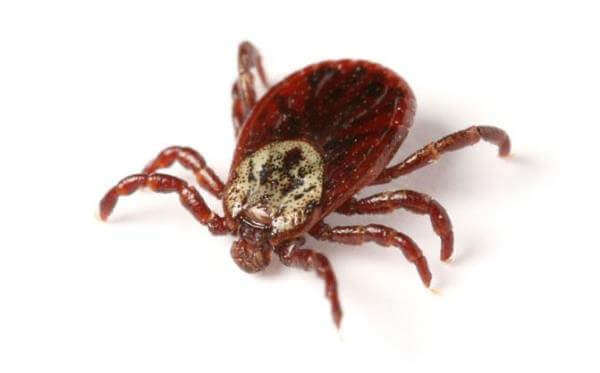 People urged to take precautions against tick-borne disease as risk increases with warmer weather
 First Brand Group sale approved
 LCHS to co-host special program
 Vincennes man arrested after pursuit that reached 150 mph
 Lawrenceville city officials to meet with EPA
 Hoosiers may qualify for free well water testing
 St. Francisville City Council approves street and alley work
 LCMH moving to new medical records system
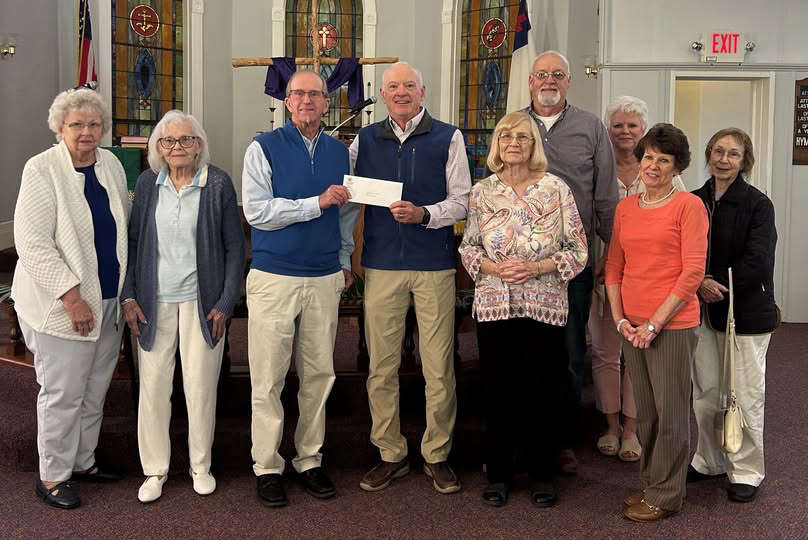 Freelandville Methodist Church receives grant from native of the community