

U.S. Secretary of Agriculture Brooke L. Rollins today announced a bold $200 million investment to implement the U. S. Department of Agriculture (USDA) Forest Service’s National Active Forest Management Strategy (PDF, 24.7 MB), a key initiative to increase timber harvest, improve forest health and productivity, reduce wildfire risk, and support rural prosperity in forest communities.
The strategy supports President Trump’s Executive Order: Immediate Expansion of Timber Production by streamlining burdensome regulations, leveraging emergency authorities, and expediting project approvals—ensuring faster access to critical timber resources. Increasing the use of long-term contracts to carry out these projects, the strategy envisions a more stable supply of wood products, healthier forests, and stronger rural economies.
“President Trump is committed to cutting red tape, rolling back burdensome regulations and unleashing the potential of America’s abundant natural resources. We are doing just that at USDA with this announcement to invest in timber production. This is a win for consumers who will see better prices with American grown products, and a win for forest management which will help keep our forests safer and reduce wildfire risk,” said Secretary Rollins. “Not only will this help our staff on the ground better carry out the mission of protecting lives, livelihoods and resources, it will support jobs in rural America and reduce our reliance on foreign lumber imports.”
This work to increase domestic timber harvests implements Secretary Rollins’ memorandum to the Forest Service to take immediate action in support. In response, the Forest Service has committed to increasing timber harvest (PDF, 285 KB) on national forests by 25%, with an overall goal of 4 billion board feet harvested annually by fiscal year 2028.
Using tools like Good Neighbor Authority, this investment will support efforts to work across jurisdictions and property lines to improve forest health and grow economies in communities nationwide. This investment also focuses on innovative wood products like cross-laminated timber, which due to its strength in comparison to steel, is used in commercial building construction. Similarly, active management often creates byproducts with a low conventional wood market value, but are still useful in wood energy, pellets, and other biomass applications.
These investments have direct impacts on communities and businesses in the wood products sector, supporting jobs in timber harvest, at lumber mills, as well as in innovative wood products and energy sectors. These landmark investments secure a strong domestic timber supply, fueling rural industries, stabilizing markets, and driving long-term economic prosperity.
For more information, please view the National Active Forest Management Fact Sheet (PDF, 2.5 MB)
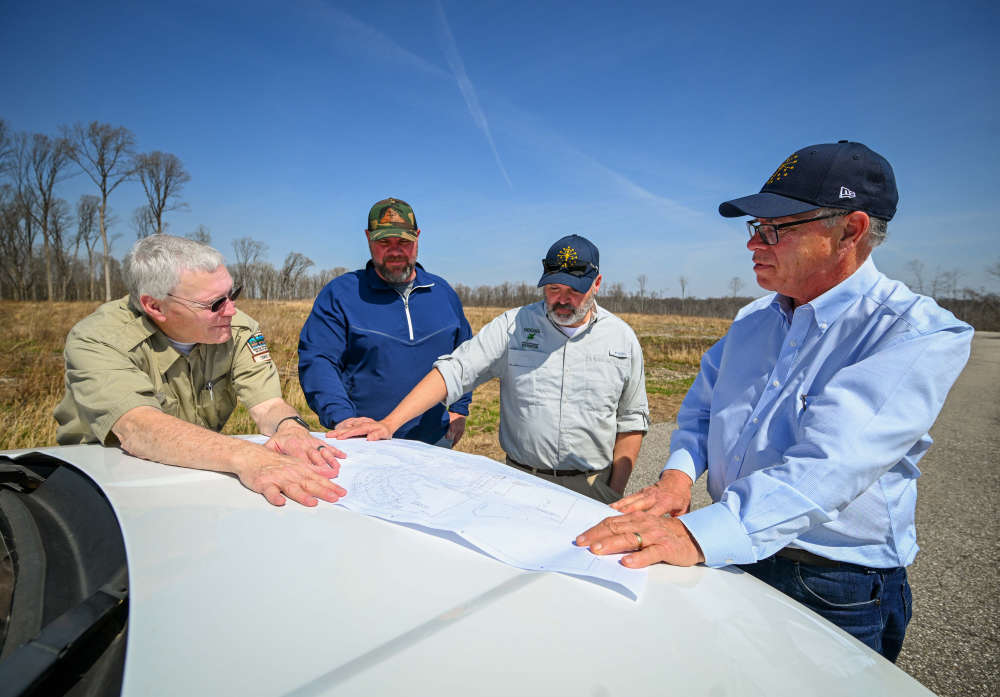 Gov. Braun announces plan for new, larger campground at McCormick’s Creek State Park
 Governor Braun proclaims Indiana Rail Safety Week September 21-27
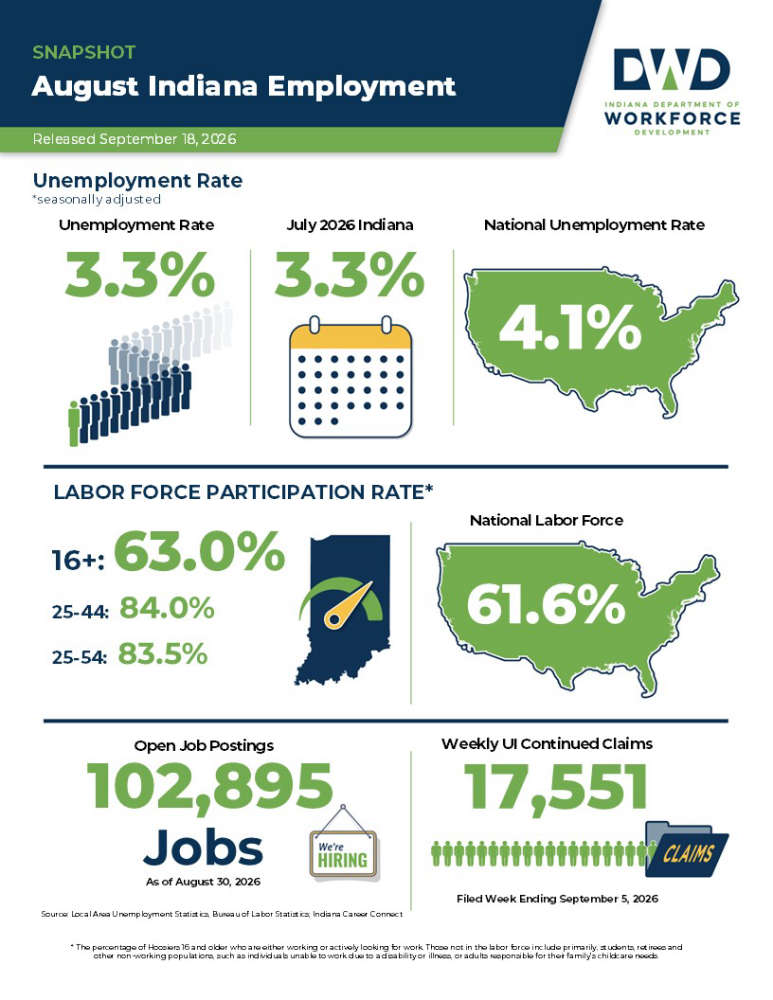 State unemployment rate remains below national average
 Indiana weekly gas price update
 Riverton Parke looks to continue momentum
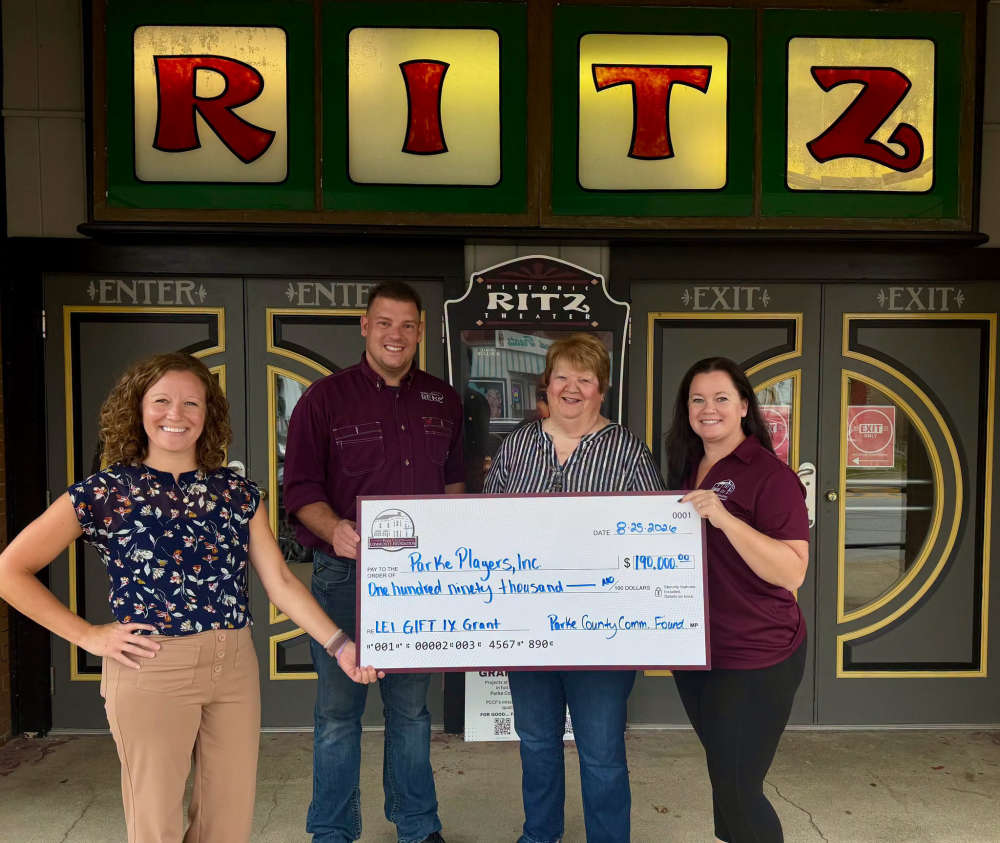 Parke County Community Foundation awards funds for Ritz renovations
 U.S. Marshals aid local law enforcement to find suspect
 Gov. Braun continues to deliver on promise to keep local governments whole during gas tax holiday
 Indiana state forests to offer open houses
 Benefit ride for Alisha Reynolds on October 24
 Former Roachdale Town Marshal sentenced to probation
 Indiana Farm Bureau Insurance announces 2027 summer internship program
 Read your FEMA letter carefully
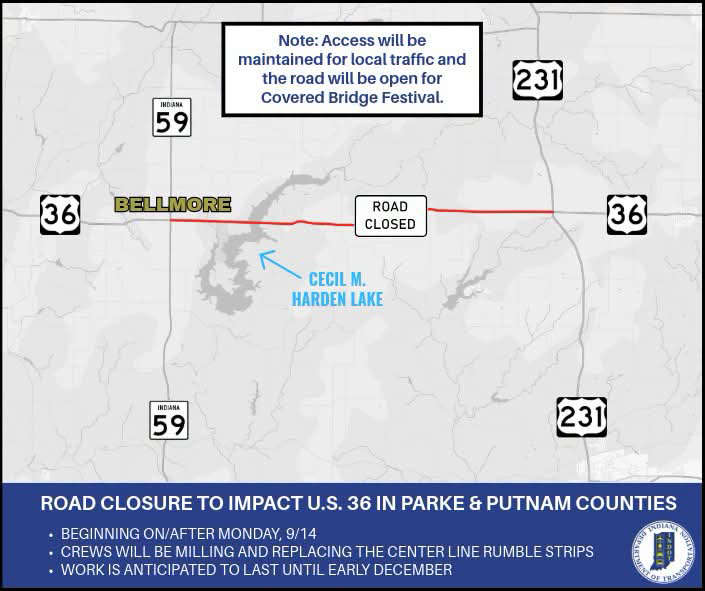 Road closure to impact U.S. 36 in Parke and Putnam counties
 South Vermillion to honor fallen mom all season