

“Lyft drivers deserve accurate information about how much they will be paid for the work they do,” said Director Samuel Levine of the FTC’s Bureau of Consumer Protection.
The Justice Department, together with the Federal Trade Commission (FTC), announced that Lyft Inc. (Lyft) has agreed to resolve allegations that it made false and misleading statements about how much Lyft drivers would earn.
The settlement includes an agreement to pay $2.1 million in civil penalties and a permanent injunction prohibiting such false and misleading earnings claims.
Lyft operates a mobile app ride-hailing platform that connects consumers seeking rides with those who provide rides with their own personal vehicles. Through marketing campaigns and advertisements, Lyft recruits drivers. After a driver is hired, Lyft sets the rates the driver charges and collects a portion of the fare for each ride. In a civil complaint filed in the U.S. District Court for the Northern District of California, the government alleges that, as early as 2021, Lyft made false and misleading claims in its advertising and marketing regarding potential earnings and incentives to be earned by drivers who signed up to drive for Lyft. Lyft allegedly continued these practices even after it received a Notice of Penalty Offenses in October 2021 that placed the company on notice that false and misleading earnings claims were unlawful.
The complaint alleges that Lyft disseminated advertisements promoting specific hourly amounts that drivers throughout the United States could earn. The company, however, did not disclose that the potential hourly amounts were based on the earnings of the top 20% of its drivers. The complaint also further alleges that Lyft also tried to induce drivers to offer more rides by promoting “earnings guarantees,” which guaranteed that drivers would be paid a set amount if they completed a specific number of rides in a certain time. These guarantees allegedly did not clearly disclose that drivers were paid only the difference between what they otherwise earned for the rides and Lyft’s advertised guaranteed amount, rather than receiving the full guaranteed amount in addition to their regular earnings for the rides.
In the stipulated order entered today by the federal district court, Lyft is required to pay a $2,100,000 civil penalty. The order also enjoins Lyft from making any misrepresentations regarding driver earnings and includes other monitoring and reporting provisions aimed at promoting Lyft’s compliance with the order.
“The Justice Department will vigorously enforce the law to stop companies from misleading Americans about their potential earnings in the gig economy,” said Principal Deputy Assistant Attorney General Brian M. Boynton, head of the Justice Department’s Civil Division. “We will continue to work with the FTC to stop unfair and deceptive marketing practices.”
“Lyft drivers deserve accurate information about how much they will be paid for the work they do,” said Director Samuel Levine of the FTC’s Bureau of Consumer Protection. “Our settlement with Lyft bans exaggerated earnings claims and underscores the FTC’s commitment to ensuring gig workers are treated fairly.”
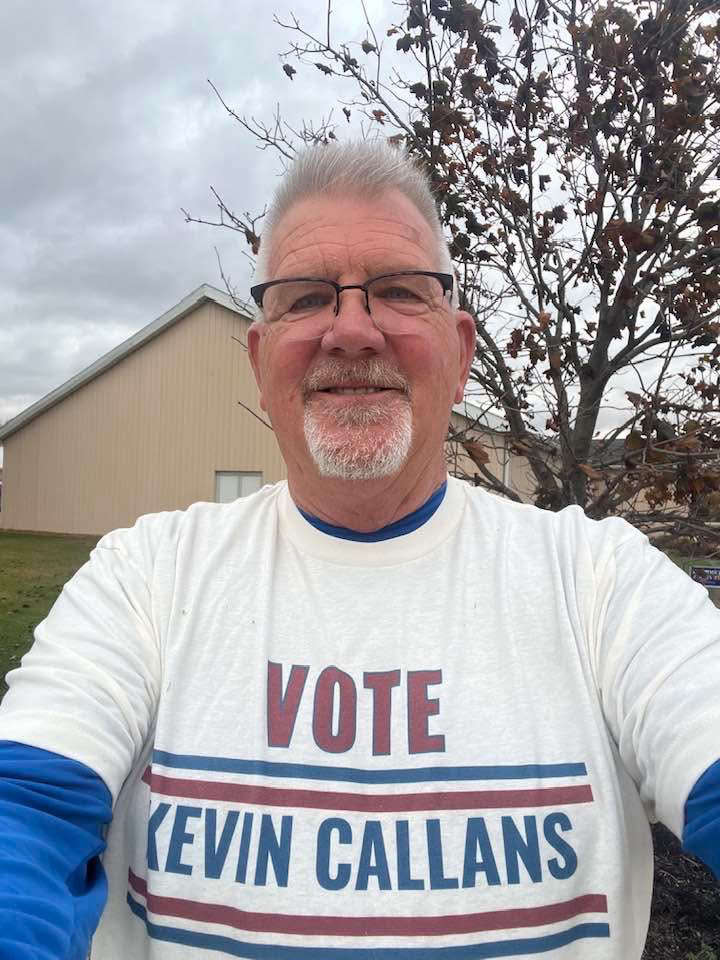 Callans seeks seat on Rockville Town Board
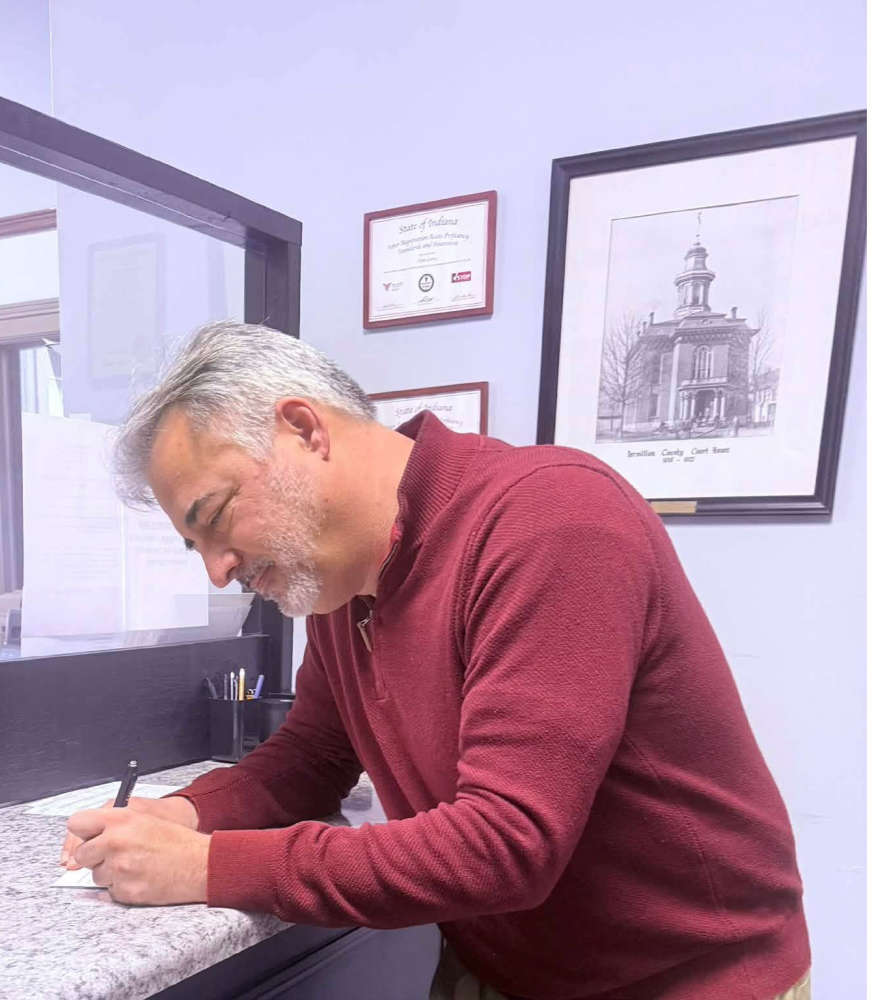 Burkett eyes Vermillion County Council District 3 Seat
 IDHS warns against disaster assistance fraud
 Parke among the ten Indiana counties with reported measles cases
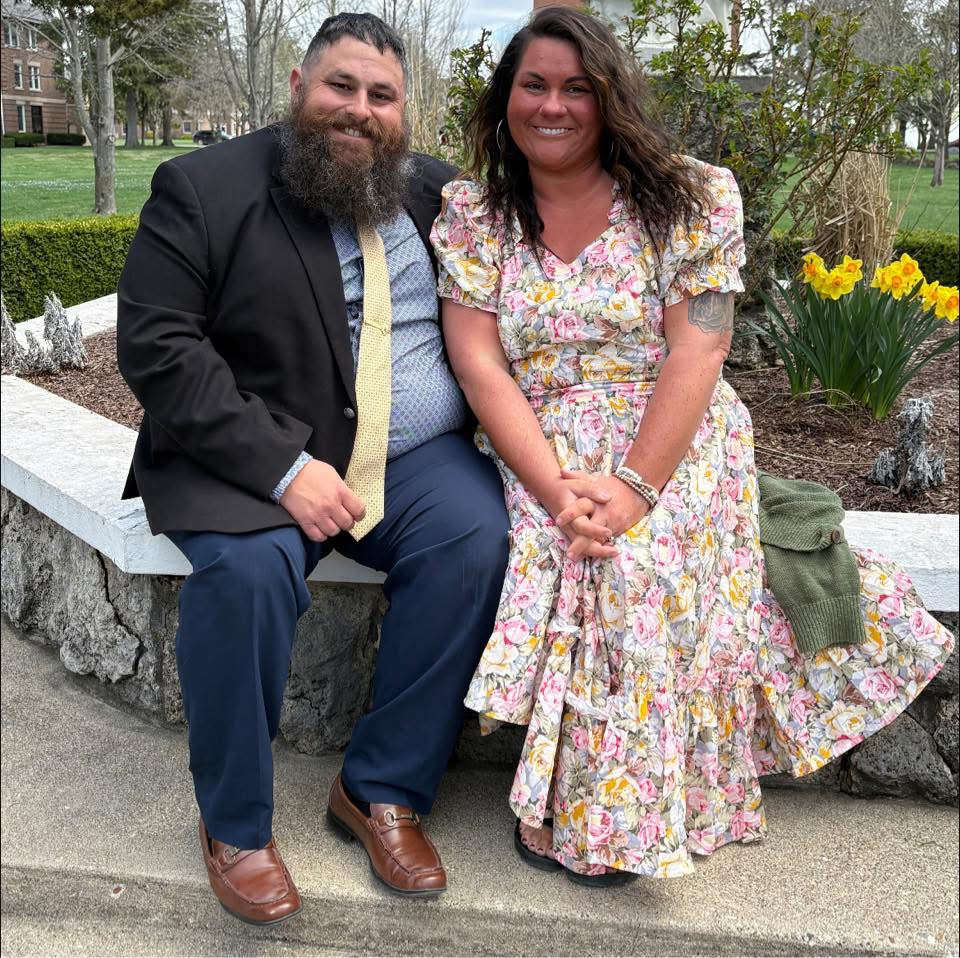 Zamani seeks Vermillion County District 4 seat
 USDA announces record payments of $13.8 billion for 2025 crop year revenue and price safety net programs
 Nucor Corporation chooses additional expansion in Crawfordsville
 Applications open for Indiana's Advanced Nuclear Ready Communities Program
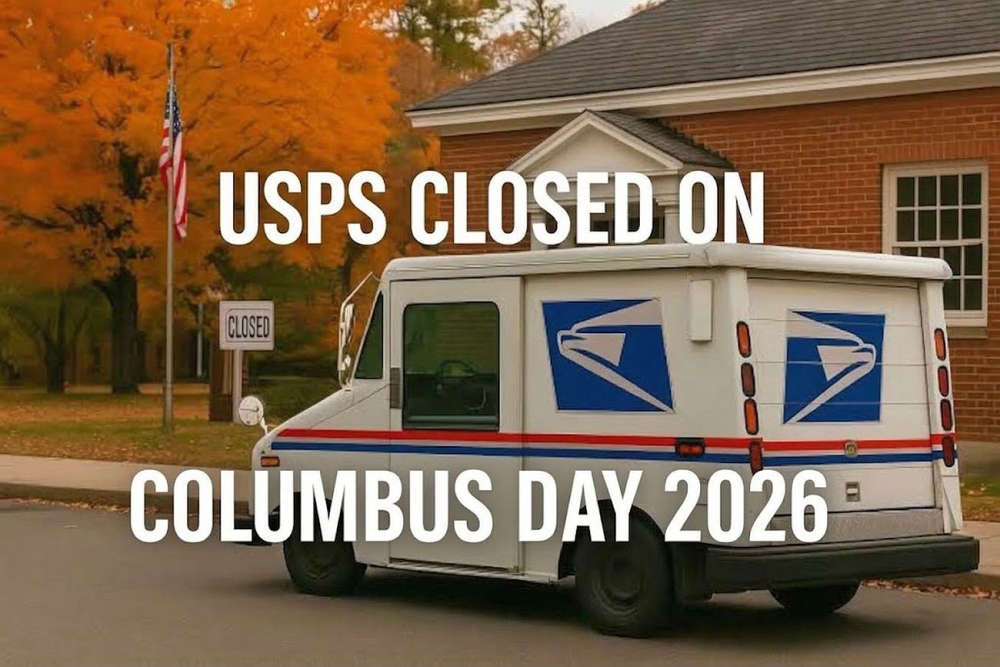 USPS schedule for weekend into Columbus Day
 Equipment investments keep working for Indiana habitat
 Smith looks to punch ticket to Rockville Town Board seat
 Pair of motorcycle crashes keep Parke County Sheriff's deputies busy
 Parke Heritage Middle School awarded multi-million dollar Next Generation School Improvement Grant from IDOE
 BMV urges Hoosiers to complete voter registration by October 5 deadline
 Last day to ask your question for Indiana's next Secretary Of State