


The Illinois Department of Natural Resources (IDNR) is monitoring sightings of a black bear in southwestern Illinois.
The bear was first observed Monday in St. Clair County. An IDNR district wildlife biologist confirmed the sighting on Tuesday, and the animal was observed again Wednesday and Thursday, still in St. Clair County. The bear has had no interaction with humans, though it has damaged some bee hives on private property.
IDNR's wildlife division reminds residents that although sightings of black bears in Illinois are rare, the potential exists that animals from neighboring states may be observed in Illinois over the next few months. With established populations in the adjacent states of Missouri and Wisconsin, occasional summer movements by bears into Illinois are anticipated, including past confirmed sightings in Jo Daviess, Lake, Saline, Pope, Williamson, and Jackson counties.
IDNR encourages people to avoid direct encounters with bears and to check their property for food sources that could attract a bear if one is reported in the area. Bears can follow their powerful noses to food sources and can pick up nearly anything with an odor from more than a mile away. Through learned behavior, bears often investigate anything that may yield a food reward, such as bird feeders, barbeque grills, garbage cans, and dog food. Once a bear finds a food source, they will likely return, so prevention is key.
During early summer months, yearling bears disperse from their birth ranges in search of food and a permanent home range. Adult males travel far and wide looking for mates, and nursing females venture further from home range core areas to meet the energetic demands of raising cubs.
Bears are omnivores that will consume a wide range of plants or animals that provide calories. The bulk of their spring and early summer diet is plant-based with whatever available protein they can locate - small mammals, fish, insects, birds, reptiles, amphibians, or dead animals.
Seeing a bear may be a once-in-a-lifetime experience, and their presence should not necessarily be perceived as a threat to human safety. Nevertheless, it's important to remember that bears are wild animals and should be treated as such.
Go online to report a bear sighting to IDNR.
 Vandivier seeks House District 42 seat
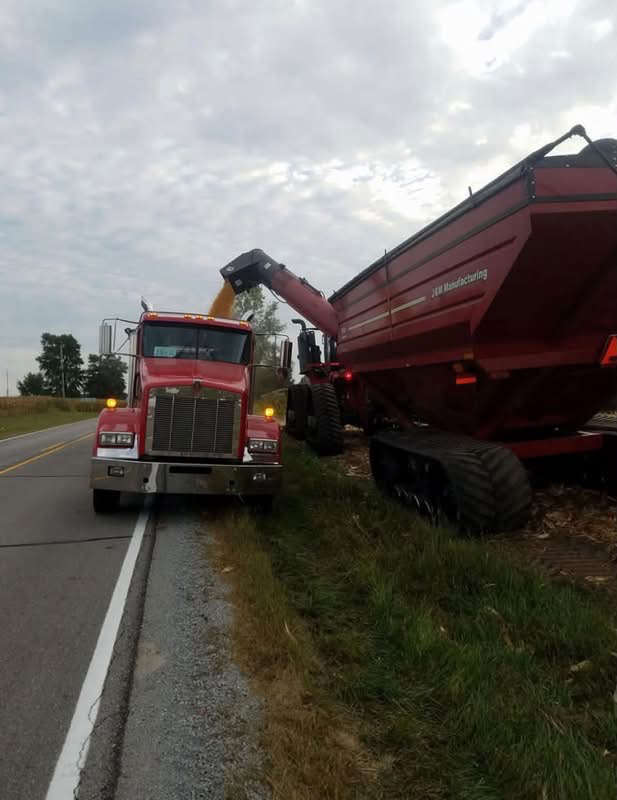 Stay alert and share the road with farm equipment this fall
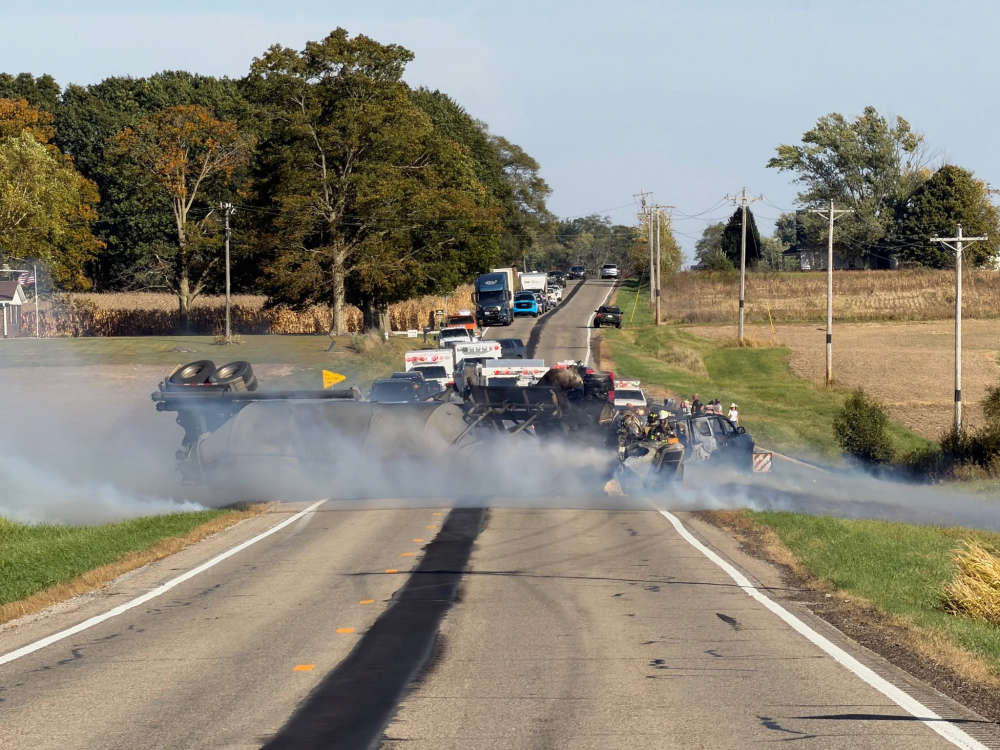 Putnam County Sheriff's Office investigating fatal crash
 Gas prices on the rise in Indiana
 Callans seeks seat on Rockville Town Board
 Burkett eyes Vermillion County Council District 3 Seat
 IDHS warns against disaster assistance fraud
 Zamani seeks Vermillion County District 4 seat
 USDA announces record payments of $13.8 billion for 2025 crop year revenue and price safety net programs
 Nucor Corporation chooses additional expansion in Crawfordsville
 Applications open for Indiana's Advanced Nuclear Ready Communities Program
 USPS schedule for weekend into Columbus Day
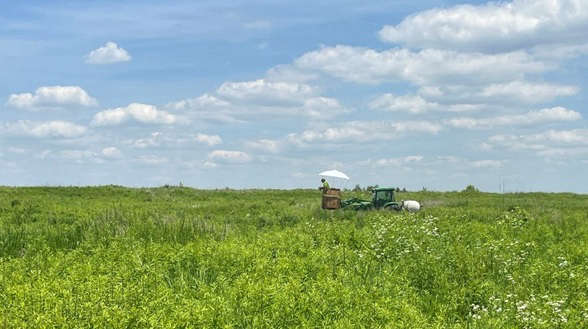 Equipment investments keep working for Indiana habitat
 Smith looks to punch ticket to Rockville Town Board seat
 Pair of motorcycle crashes keep Parke County Sheriff's deputies busy
 Parke Heritage Middle School awarded multi-million dollar Next Generation School Improvement Grant from IDOE