

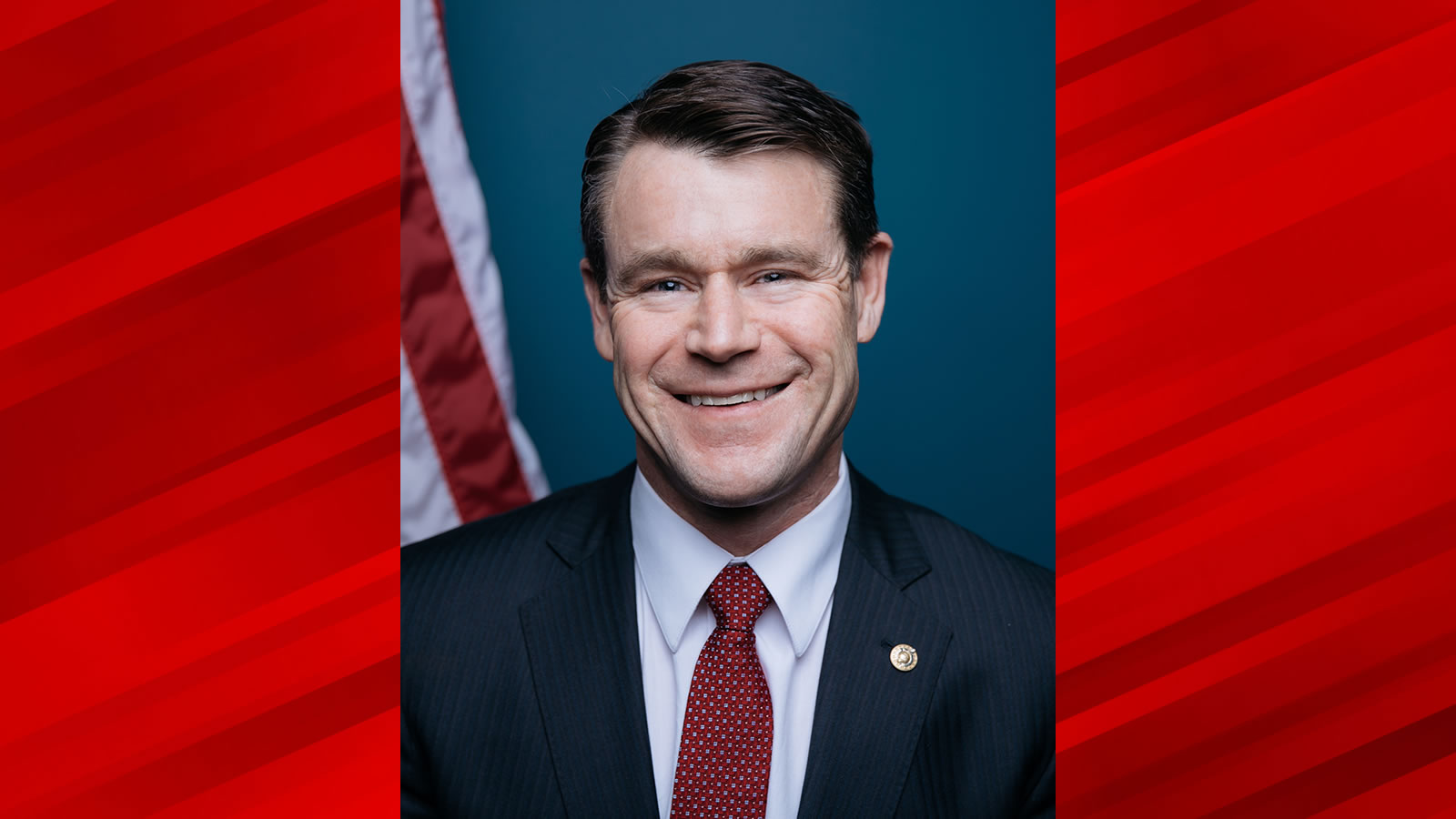
U.S. Senators Todd Young (R-Ind.), Roger Wicker (R-Miss.), Ben Ray Luján (D-N.M.), and Mark Kelly (D-Ariz.) reintroduced the Funding Affordable Internet with Reliable (FAIR) Contributions Act. The legislation would direct the Federal Communications Commission (FCC) to conduct a study into the feasibility of collecting Universal Service Fund (USF) contributions from internet edge providers.
Internet edge providers have long been able to utilize critical Internet infrastructure without being required to contribute to improving the capabilities of the infrastructure.
“It is vital that we close the digital divide and deploy broadband across all of Indiana, including our most rural counties, schools, and health care facilities,” said Senator Young. “As internet edge providers continue to expand their reach and the Universal Service Fund’s revenue streams become less sustainable, we must look at all options to ensure every Hoosier has access to broadband, both now and in the future.”
“As Chair of the Subcommittee on Communications, Media, and Broadband, I’m fighting to move New Mexico closer toward 100% connectivity,” said Senator Luján. “The Universal Service Fund supports broadband access for rural communities across the country, ensuring families have access to economic opportunity, to school, and to health care. This report will examine how the largest tech companies can pay their fair share. The future is online and it’s critical that essential broadband programs receive robust funding.”
“Our bipartisan legislation looks at ways that tech companies can help us close the digital divide in Arizona. We’ll continue working to find common-sense solutions that expand high-speed internet access for rural and tribal communities across the country,” said Senator Kelly.
Among other provisions, the FAIR Contributions Act would:
Direct the FCC to issue a Notice of Inquiry seeking public comment on the feasibility of collecting USF contributions from internet edge providers, and issue a final report on the matter within 180 days. Require the FCC to consider:· Possible sources of Big Tech revenue, such as digital advertising and user fees;
· The fairness of the current system and a system under which contributions could be assessed on Big Tech firms;
· The feasibility of assessing contributions on such a broad category of firms that do not currently register with the FCC;
· The effects such a change would have on Tribal, low-income, and elderly consumers; and
· The changes to current law necessary to implement this system.
Through the USF, the FCC disburses approximately $10 billion per year to fund broadband deployment to high-cost rural areas, schools and libraries, rural health care facilities, telehealth services, and broadband subsidies for low-income Americans. The USF collects money from telecommunications carriers, set at a percentage of their interstate and international revenues, which carriers usually pass onto consumers in their monthly bills.
Full bill text can be found here.
 Vincennes man arrested in connection with fatal fire
 Red Hill Unit #10 adopts fiscal year budget;sets high school graduation
 Lawrenceville to seek state sidewalk improvement grant
 Early voting for November election underway in Illinois
 Postal Service recommends 2026 holiday mailing and shipping dates
 Lawrence County high schools recognized for student financial aid services
 Mock emergency drill planned in Lawrence County
 Unit #20 fiscally sound after passage of 2026-27 budget
 Illinois to close eight state visitor information centers
 Niemerg issues statement on no cash bail anniversary
 Lawrence County drivers reminded of Child Passenger Safety Week
 Fire injures one person in Vincennes
 Farm harvest safety reminders for drivers
 Southwestern Indiana fugitive arrested in Illinois after multi-county chase
 Governor Braun proclaims Indiana Rail Safety Week September 21-27
 Lawrence County (ILL.) man charged with child sex crime