

indiana-optometric-association-offers-eye-health-essentials-for-the-total-solar-eclipse
On Monday, April 8, 2024, Indiana will be in the path of a total solar eclipse. Whether you’re visiting the state to view the eclipse or a native Hoosier, the Indiana Optometric Association wants you to have the best possible eclipse experience. To that end, the IOA is sharing tips for safe viewing and information to help the public prepare for this once-in-a-lifetime experience.
A total solar eclipse happens when the Moon passes between the Sun and Earth, completely blocking the face of the Sun. This type of solar eclipse will only be seen within the path of totality. A total solar eclipse is the only type of solar eclipse where you can momentarily remove your eclipse glasses or viewers for the brief period of time during totality.
Tips for viewing a total solar eclipse
Except during the brief total phase of a total solar eclipse, when the moon completely blocks the Sun’s bright face, it’s not safe to look directly at the Sun without specialized eye protection for solar viewing.
1. Use approved solar eclipse viewers. The only safe way to view a partially eclipsed sun directly is through special-purpose solar filters, such as “eclipse glasses” or viewers that meet international standard ISO 12312-2 for safe viewing. Sunglasses,
smoked glass, unfiltered telescopes or magnifiers, and polarizing filters are unsafe. Inspect your eclipse glasses or handheld viewer before use – if torn, scratched, or otherwise damaged, discard the device.
2. Technique of the pros. Stand still and cover your eyes with your eclipse glasses or solar viewer before looking up. After viewing, turn away and remove your glasses or viewer — do not remove them while looking at the sun. If you normally wear eyeglasses, wear your eclipse glasses over them, or hold your handheld viewer in front of them.
3. Totality awesome. Only within the path of totality—and once the moon completely blocks the sun—can eclipse viewers safely be removed to view totality. During the partial phases before and after totality, special viewers must be used. Once the sun begins reappearing after totality ends, viewers must be used again to protect your eyes.
4. Visit your Doctor of Optometry. If you should experience discomfort or vision problems following the eclipse, visit your local doctor of optometry for a comprehensive eye examination.
Eclipse glasses are NOT regular sunglasses – regular sunglasses, no matter how dark, are not safe for viewing the sun. Eclipse glasses/solar viewers are at least 1,000 times darker than the darkest sunglasses!
All symptoms should be treated as urgent until viewed by a Doctor of Optometry. If you suspect an eye or vision problem, don’t hesitate to call your local practice – this is the best way to combat potentially severe complications, including vision loss.
For more information on solar eclipses and eye safety, visit www.ioa.org and click on the eclipse resources link.
 Illinois to close eight state visitor information centers
 Niemerg issues statement on no cash bail anniversary
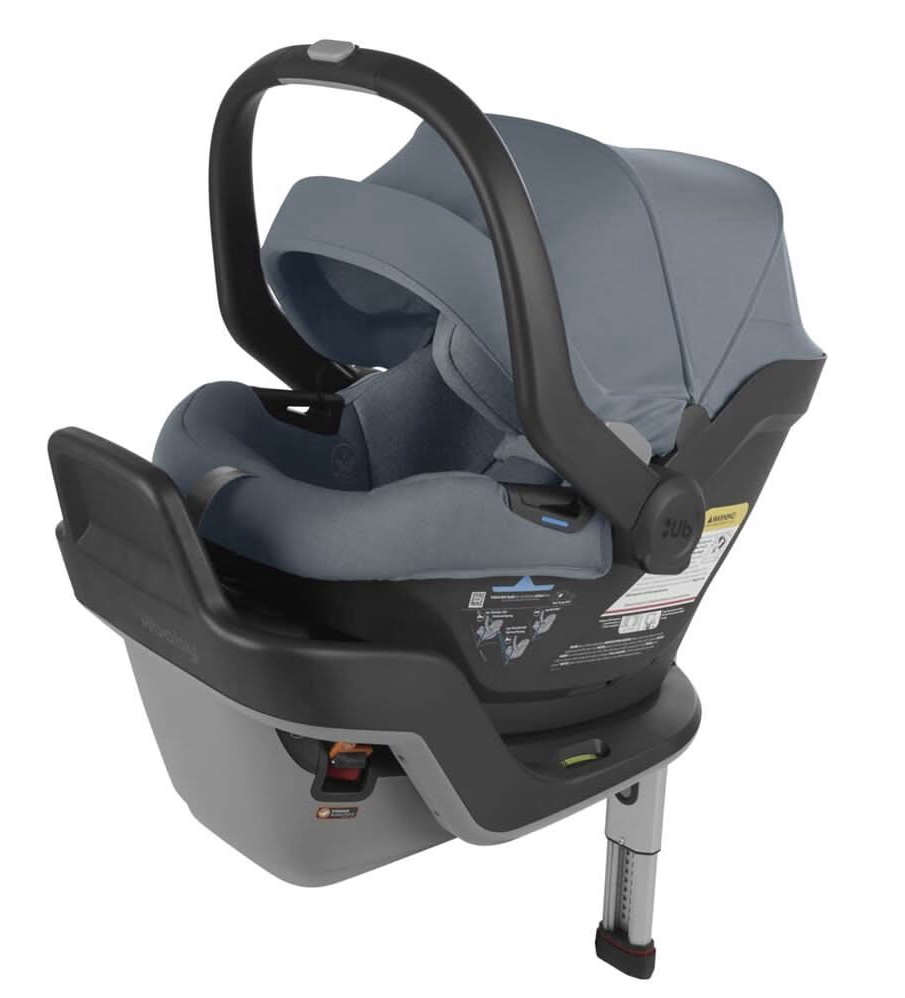 Lawrence County drivers reminded of Child Passenger Safety Week
 Fire injures one person in Vincennes
 2026 Red Hill High School Homecoming schedule released
 Farm harvest safety reminders for drivers
 Southwestern Indiana fugitive arrested in Illinois after multi-county chase
 Governor Braun proclaims Indiana Rail Safety Week September 21-27
 City of Lawrenceville to begin hydrant flushing
 Lawrence County (ILL.) man charged with child sex crime
 LCMH promotes Diesser to Lead Cardiopulmonary Nurse
 IECC District #529 passes budget and district plans
 Lawrence County Fall Festival entertainment rescheduled
 Lawrence County Board approves moratorium on data centers; solar project moving forward
 Vincennes Lincoln High School among those to receive banner recognition from Special Olympics North America
 New solar project moving forward in Knox County
 Lawrence Public Library is solid financial shape for the future