

As winter gives way to spring, Americans will need to adjust their clocks — and their sleep schedules — this weekend when daylight saving time begins.
At 2 a.m. Sunday, March 8, clocks will "spring forward" by one hour, meaning sunrise and sunset will occur one hour later than they do now. While the time change brings an extra hour of evening sunlight, it also means losing an hour of sleep Saturday night.
The shift to daylight saving time marks the unofficial transition to warmer weather and longer days. The extended evening daylight will remain in effect until Sunday, November 1, when clocks will "fall back" one hour as daylight saving time ends for the year.
Not everyone in the United States observes the biannual time change. Hawaii and Arizona are the only two states that do not participate in daylight saving time. The U.S. territories of Puerto Rico, Guam, American Samoa, and the U.S. Virgin Islands also keep standard time year-round.
 Parke, Putnam and Vermillion counties now eligible for FEMA assistance
 Several fundraisers are planned to benefit the Montezuma family and fight back against Alzheimer's
 Postal Service recommends 2026 holiday mailing and shipping dates
 Gov. Braun leads largest coordinated debris operations in recent state history
 Attorney General Todd Rokita calls on Hoosiers to claim compensation for inflated generic drug prices
 Pennsylvania Attorney General's Cold Case Section, Erie investigators announce arrest of Brazil, IN man in 2002 rape, murder
 Impaired driver taken to hospital then jail after crash
 Gov. Braun announces plan for new, larger campground at McCormick’s Creek State Park
 Governor Braun proclaims Indiana Rail Safety Week September 21-27
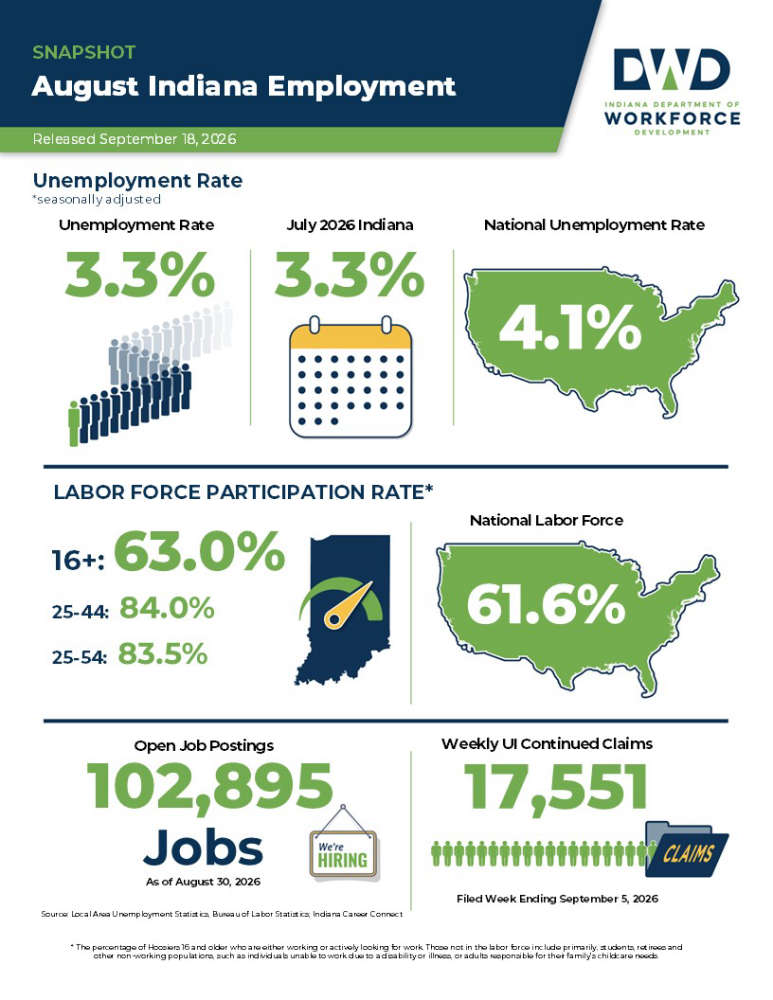 State unemployment rate remains below national average
 Indiana weekly gas price update
 Riverton Parke looks to continue momentum
 Parke County Community Foundation awards funds for Ritz renovations
 USDA announces 2026 and 2027 enrollment for key price and revenue safety net programs, first base acre increase in two decades
 Gov. Braun continues to deliver on promise to keep local governments whole during gas tax holiday