

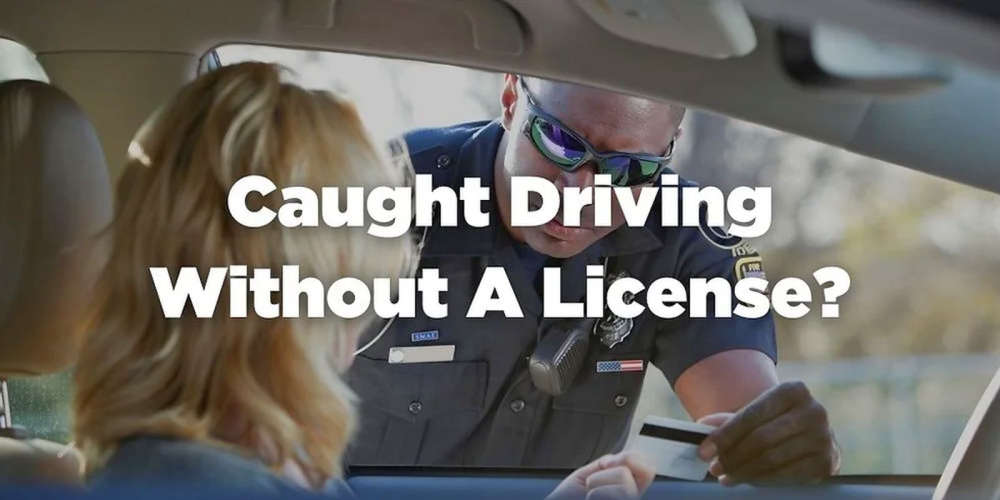
A driver who failed to move over for an emergency vehicle on the side of the road was arrested Sunday night at about 9:15.
An officer was conducting a traffic stop on U.S. 30 west of Oak Drive when the vehicle failed to move over and came close to the officer's patrol vehicle mirror.
The officer got in his patrol vehicle, quickly caught up to the vehicle, and stopped it on U.S. 30 west of the Michigan Street exit.
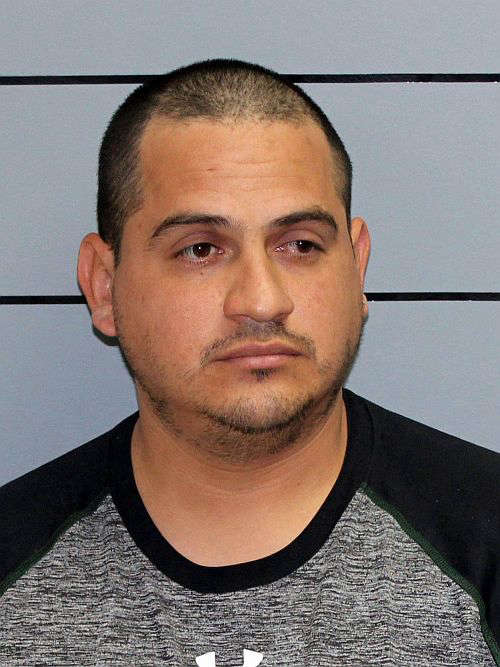
The driver was identified as Alexis Herrera-Macias, 35, from Chicago. During the stop, it was determined that Herrera-Macias had never had a driver's license. K9 Officer Vinson and his partner Castor arrived on the scene and conducted a free-air sniff.
Herrera Macias was taken into custody, transported to Marshall County Jail, and booked in for driving without a license. His cash bond was paid within 30 minutes, and he was released on bond.
Readers are reminded that charging information supported by an affidavit of probable cause is a mere allegation that a crime has been committed and that there is only probable cause to believe a crime has been committed. They are presumed innocent throughout the proceedings, entitled to be represented by counsel, and entitled to a trial by jury at which the State is obligated to provide proof beyond a reasonable doubt before a judgment of guilt may be made.
 Plymouth Common Council approves 2027 Salary Ordinance after discussion on fire and pool positions
 Indiana Pork and Indiana Beef donate State Fair food to support flood-ravaged communities
 Marshall County Election Board approves early voting and vote centers for November General Election
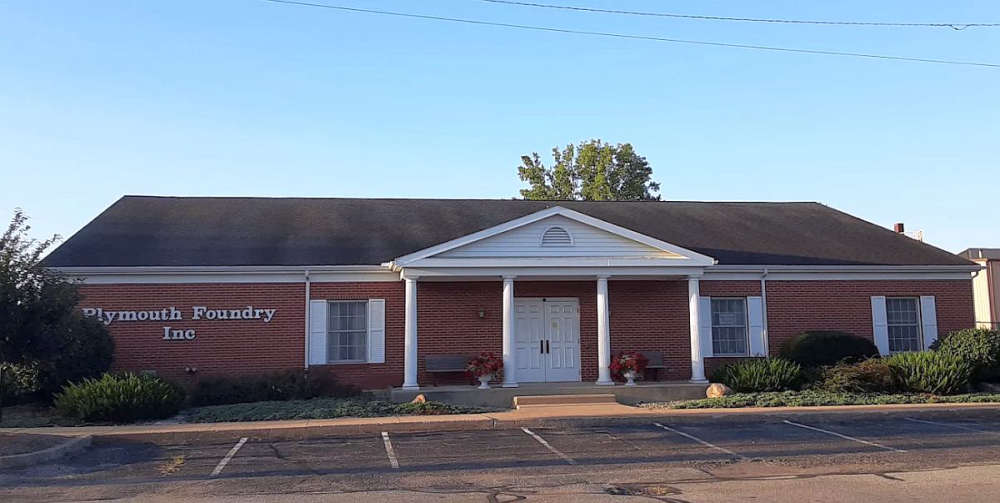 Plymouth Board approves easement with Plymouth Foundry for Harrison Street Trail Project
 Relay for Life of Marshall County to host annual walk and fundraiser September 26
 Marshall County Democratic candidates to host smoked chicken fundraiser Saturday in LaPaz
 IDEM reminds residents to sort and safely dispose of flood debris
 Gov. Braun advances workforce, wage growth at every age through adult education