

increase-in-fatalities-and-injuries-from-ag-confined-spaces-highlights-need-for-effective-management-training
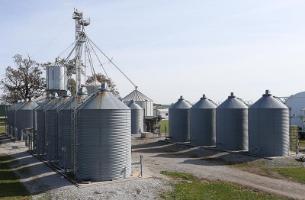
Last year saw a roughly 40% increase in the number of reported cases involving agricultural confined spaces, according to the 2022 Summary of U.S. Agricultural Confined Space-Related Injuries and Fatalities recently released by the Purdue University Agricultural Safety and Health Program in the Department of Agricultural and Biological Engineering.
The annual, widely used summary documents the previous year’s frequency and causes of confined space and grain entrapment incidents in the agricultural industry and provides a historical analysis of agricultural confined space hazards.
The authors of the summary are Yuan-Hsin Cheng, agricultural safety and health researcher; Mahmoud Nour, postdoctoral researcher in Agricultural and Biological Engineering; Bill Field and Kingsly Ambrose, professors of agricultural and biological engineering; and Edward Sheldon, research associate, Agricultural Safety and Health Program.
In 2022, the summary reported no fewer than 83 cases – 24 fatal and 59 nonfatal cases – involving agricultural confined spaces. This represents a 40.7% increase over the 59 cases in 2021. The authors explain that there are limitations in data collection as not every case may be reported. As a result, these numbers are approximate.
In addition, of the total number of confinement cases, 42 grain-related entrapments represented a 44.8% increase over 2021. This was the highest number of reported grain entrapments in over a decade. According to the authors, grain entrapments are the most common type of agricultural confined space incident.
“In the summary, an issue we try to point out is the role of out-of-condition grain in grain entrapments,” Sheldon says. “Many entrapments result from someone entering a bin or structure to break loose clumped, spoiled grain. Keep the grain in good condition to eliminate the need to enter the bin.”
Of 41 non-grain-related cases, incidents involved livestock waste handling facilities, entanglements inside confined spaces, falls from confined space structures and grain dust explosions or fires.
Iowa reported the most agricultural confinement cases, at 24, and grain entrapment cases at nine. One female case was documented, which occurred inside a cotton module builder.
Sheldon says, “As shown in the annual summary, incidents involving confined spaces in agriculture continue to result in a significant number of injuries and fatalities in agricultural workplaces throughout the country.”
He adds, “We strongly encourage farmers and agribusiness employers to recognize the hazards presented by confined spaces such as grain bins, silos and manure storage facilities, and use best management practices and effective training programs to keep their families and employees safe.”
Sheldon urges farmers and agribusiness employers to utilize the educational resources outlined in the summary, pointing them to other programs like Gearing Up for Safety, also from Purdue’s Department of Agricultural and Biological Engineering. This program offers a youth-oriented curriculum, also related to the hazards associated with agricultural confined spaces.
Get the most recent Shelby County Post headlines delivered to your email. Go to shelbycountypost.com and click on the free daily email signup link at the top of the page.
 Attorney General celebrates end of ACLU’s years-long challenge to Indiana’s law protecting children from gender-transition procedures
 Commissioners approve Phend and Brown Bid for 7th and 12th Road paving, but funding hurdle remains
 Plymouth city meetings tonight: Public Works & Safety Board and Common Council to convene in City Hall
 Culver set for Town-Wide Garage Sale this September
 Marshall County Judge Tami Napier to visit local high schools for Constitution Day
 Heartland Art Center's Black & White Gala returns to historic REES Theatre
 Fall-Pumpkin fun on the rails
 Medicare Open Enrollment Period