


The Illinois attorney general is urging timeshare owners trying to sell the properties to be on the lookout for resale scams.
Scammers typically claim to be escrow agents or representatives of brokerage firms, travel agencies or title companies who make unsolicited contact with timeshare property owners and attempt to pressure owners into paying thousands of dollars in bogus upfront costs and fake processing fees for sales that never happen.
The Attorney General’s office is aware of scams related to timeshares where scammers, mimicking legitimate timeshare resale companies, operate under many different names and use many different phone numbers, websites and email addresses to avoid detection by law enforcement. Raoul is warning consumers that once they send a payment to a timeshare scammer, they are not likely to recover their money.
"As the summer vacation months wind down, timeshare owners may decide their vacation rental is no longer the right fit for their family,” Raoul said. “Unfortunately, bad actors are ready to target owners with scams and misinformation. I encourage timeshare owners to take precautions before paying upfront fees or signing any agreements when dealing with an unfamiliar individual or entity claiming they can assist in exiting a timeshare contract.”
Raoul is warning consumers who receive unsolicited timeshare resale communications that the following are red flags of a scam:
You receive unsolicited communication regarding your timeshare. Scam resellers can easily contact you after finding your information through public records or lists bought and sold from resort developers. Be extra suspicious if you’ve been scammed before and are contacted by someone claiming to be affiliated with a law firm or government entity. Scammers know you want your money back and will promise to help you for a fee.
The company requests payment of an upfront fee. Legitimate fees are typically paid after the sale or are deducted from the sale price. Scam timeshare resale companies mislead consumers into paying upfront fees by calling them taxes, processing fees, title-search fees, appraisal fees or commission fees. Similarly, don’t trust guarantees or promises that you will be reimbursed for any upfront charges.
The company or agent guarantees it will sell your timeshare within a specific time frame, claims it has a buyer lined up or claims it has already sold your timeshare.
The company or agent requests payment by cash, money order, cashier’s check, cryptocurrency or wire transfer, or asks for your personal financial information. Payments through nontraditional means are hard to track and difficult to refund. Ask to have any payments placed in a trust or escrow account of your choice until the sale is completed.
The company or agent only uses a post office box or other mail forwarding service and refuses to give an actual physical address. You should independently check any address to make sure it is real.
Check the reseller’s website to see if it is of poor quality, for instance containing misspellings or grammatical errors, or to see if it lacks information or substance.
The company or agent won’t identify the timeshare buyer during negotiations and does not include the buyer’s name on the contract or sales documents. A legitimate company or agent will not refuse to identify the buyer of a timeshare.
You are not given sufficient time to review before paying and signing. Scam companies use high-pressure sales to rush timeshare owners. Be careful if, for example, the reseller claims that your timeshare location is hot and they’re overwhelmed with potential buyers.
The reseller guarantees a profitable return on the sale. Do not assume you will recoup your original investment.
Attorney General Raoul advises consumers who want to sell their timeshares to work with a licensed real estate broker, and ensure the company is registered to do business in the state where the timeshare is located. Consumers can also check with the Better Business Bureau to research any available reviews or complaints received against a company. More information on timeshare fraud prevention is available through the American Resort Development Association, the Resort Owners’ Coalition, the Federal Trade Commission (FTC), and the Securities and Exchange Commission’s Office of Investor Education and Advocacy.
Consumers affected by possible timeshare resale scams can file complaints with the FTC, the FBI’s Internet Crime Complaint Center or the Consumer Financial Protection Bureau. Consumers who sent payments by mail can file a complaint through the U.S. Postal Inspection Service.
 Lawrence County man sentenced to jail
 Illinois drivers encouraged to do business online
 Meta to pay up to $419M to Indiana, implement sweeping child-safety reforms on Instagram and Facebook
 Wabash River crests at Vincennes; still under flood warning
 Two new conditions now eligible for treatment with medical cannabis
 Gov. Mike Braun orders flags lowered to half-staff in honor of Dolly Parton
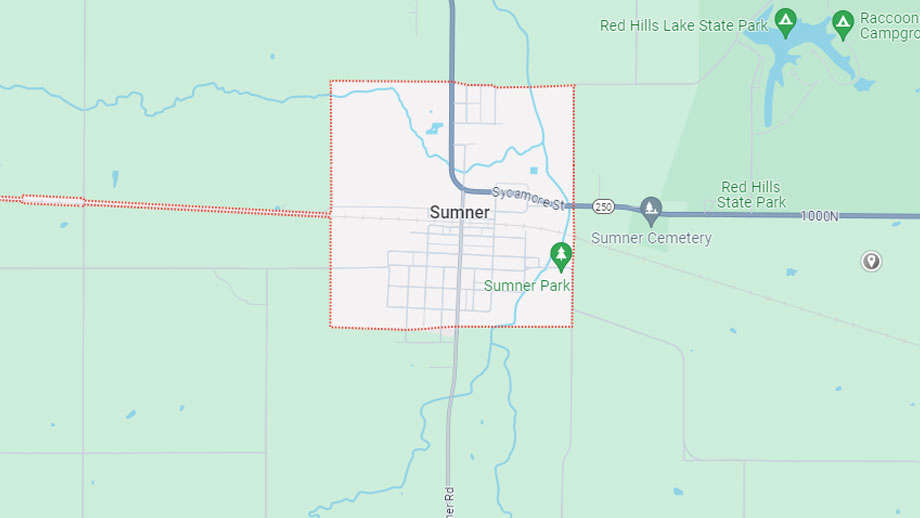 Sumner election petitions available
 New housing subdivision moving forward in Vincennes
 Parkside Elementary will open next week
 Restaurant at Red Hill State Park under new ownership
 Bridgeport Water boil order lifted
 Lawrence County Chamber recognizes Salyers; have begun executive director search
 Lawrence County Board hears about data centers and the county jail
 Parkside Elementary opening delayed again
 Knox County's Clayton Newton earns honors at the Indiana State Fair
 Indiana launches emergency program for veterans impacted by historical flooding
 Illinois State Police deploy new Bicycle Response Team