

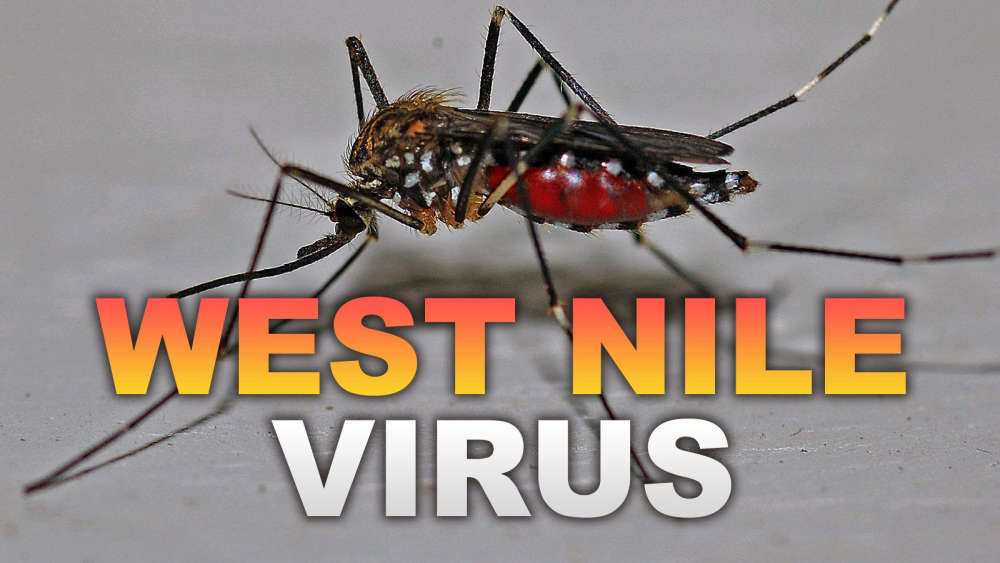
The state’s first West Nile virus disease case for the 2024 season has been reported in a Lake County resident. West Nile virus activity has also been detected in mosquitoes throughout the state (26 samples taken from 15 counties). Additional information about the case is not being released to protect patient privacy.
“Mosquitoes are more than just a nuisance—their bites can potentially lead to serious illness,” said State Health Commissioner Lindsay Weaver, M.D., FACEP. “Hoosiers can reduce their risk by wearing bug repellent and taking steps to remove breeding sites, like standing water in discarded tires or other containers around their residences.”
The Indiana Department of Health expects to see additional West Nile virus cases as the mosquito season progresses. Taking precautions against mosquito bites can reduce the risk of disease caused by mosquito-borne viruses such as West Nile virus, Eastern equine encephalitis (triple-E) virus, and La Crosse virus.
State health officials recommend that all Hoosiers take the following steps to prevent mosquito-borne diseases:
- Use insect repellent. Apply EPA-registered insect repellents containing DEET, picaridin, IR3535, oil of lemon eucalyptus, para-menthane-diol, or 2-undecanone according to the label instructions.
- Wear protective clothing. Wear loose-fitting, long-sleeved shirts and pants. Consider treating clothing and gear with a permethrin product (note: permethrin products should not be applied directly to the skin).
Furthermore, homeowners, landlords, and property managers should take the following steps to control mosquitoes indoors and outdoors:
- Install screens on windows and doors and keep them in good repair.
- Look for containers that could hold water such as trash, tires, buckets, toys, pools, birdbaths, flowerpot saucers, or trash containers.
- Prevent mosquitoes from accessing containers. This can be done by removing trash; moving items indoors; covering or overturning items not in use; drilling holes in the bottom of trash containers; installing screens on rain barrels; replacing water in pet bowls daily; and flushing birdbaths, fountains, and other containers at least once a week.
- Maintain properties and landscaping in good condition. This includes regularly servicing septic systems, keeping grass mowed and shrubs trimmed, cleaning gutters regularly, and aerating ornamental pools or stocking them with predatory fish.
Most people infected with West Nile virus have no symptoms or only mild flu-like symptoms which can include fever, headache, body aches, joint pains, vomiting, diarrhea, or a rash. Some people infected with West Nile virus will develop a more severe form of the disease affecting the nervous system, including inflammation in the brain and spinal cord, muscle paralysis, or even death. People older than 60 years old and those with weakened immune systems are at higher risk of severe West Nile virus disease. People who think they may have West Nile virus disease should see their healthcare providers.
To view the Indiana Mosquito-Borne Activity Dashboard and learn more, visit: https://www.in.gov/health/
 Authorities arrest two in Lawrence County
 Sumner to get grant for water system expansion
 Knox County man sentenced to prison
 Flooding impacting an area local utility, flood-prone homes to be disconnected
 Embarras River Flood Warning extended
 EIU Super-Sectional game audio: Lawrenceville 48, LeRoy 26 (original air date March 9, 2026)
 Lawrence County authorities make three weekend arrests
 IDHS focuses on raising awareness during Severe Weather Preparedness Week, March 8-14
 Edward Charles Ballinger, 65, Vincennes
 Rose named to Illinois Senate leadership team
 Indiana earns top credit rating from major agency
 LCMH to host Girls Night Out
 Knox County extends road weight limits
 BFPD announces officer promotions
 Red Cross seeks donations to curb severe blood shortage