

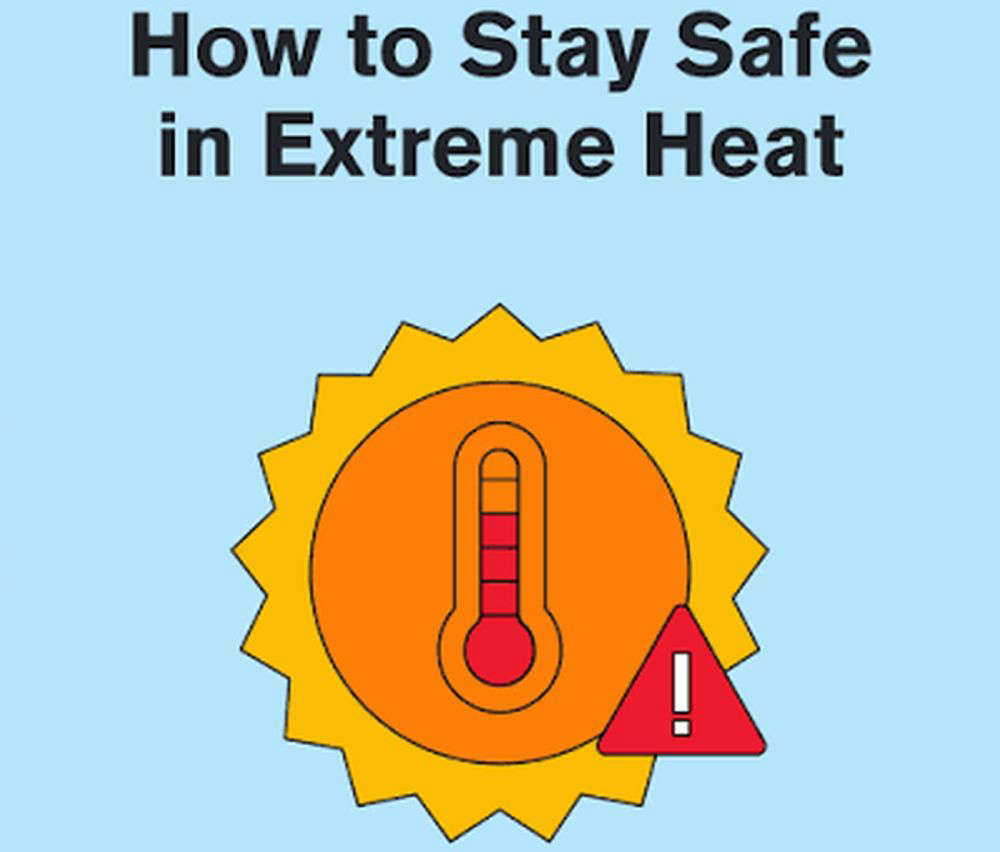
The Indiana Region of the American Red Cross is urging residents to take precautions as dangerously high temperatures are expected to impact the region this week. Experts warn that extreme heat can be deadly and knowing what to do to protect yourself and your loved ones could save a life.
The Red Cross is asking everyone to remember three critical actions: Stay Hydrated. Stay Cool. Stay Connected.
Drink a cup of water every 20 minutes — even if you don't feel thirsty. Sugary, caffeinated, and alcoholic beverages should be avoided, as they can contribute to dehydration.
Athletes and outdoor workers face heightened risk and should take regular breaks in the shade, drinking a cup of water or a sports drink every 20 minutes.
Spend time in air-conditioned spaces whenever possible. If your home is too hot, head to a shopping mall, public library, or a local cooling center. Cool showers or baths can also help bring body temperature down. When heading outdoors, wear lightweight, loose-fitting clothing in light colors to help your body regulate heat.
Check on friends, family, and neighbors — particularly older adults, people with chronic health conditions, outdoor workers, and athletes. Make sure pets have access to fresh water and shade at all times. If you need help, don't hesitate to ask for it.
Heat illness can escalate quickly, and recognizing the symptoms early is critical.
Heat cramps are signaled by heavy sweating and muscle pain. Stop activity immediately, rest in a cool place, and drink a cup of water or sports drink every 20 minutes. Seek medical attention if cramps last more than two hours or if you have heart problems.
Heat exhaustion symptoms include heavy sweating, weakness, cool and clammy skin, muscle cramps, dizziness, fainting, nausea, or vomiting. Rest in a cool area, loosen clothing, and apply a cool, wet cloth to the body. Seek medical help if vomiting occurs, symptoms don't improve within an hour, or if you have heart or kidney problems.
Heat stroke is a medical emergency. Signs include high body temperature, rapid heartbeat, confusion, headache, dizziness, fainting, nausea, or vomiting. Call 911 immediately. Move the person to a cooler location, remove excess clothing, and use a wet cloth or cool bath to lower body temperature while waiting for emergency help.
 Bost Veterans Act passes in U.S. House of Representatives
 Health emergency declared in Knox County
 Search continues for southwestern Indiana murder suspect
 Lawrenceville moving forward toward old LHS demolition
 Lawrence County time capsule to be opened
 Lawrence County honors its' servicemen and women on Veterans Day
 Illinois State Police to conduct holiday safety patrols
 LCMH adds new team member
 Toyota Princeton plant to produce new vehicle
 Illinois to get additional federal healthcare funding
 Prep your vehicle for winter weather
 Expanded opportunities for incarcerated Hoosiers through 10-year Ivy Tech partnership
 Southwestern Indiana fatal accident victim identified
 Bridgeport to look at property ordinance revision
 Conservation officers remind hunters to prioritize safety during deer season
 Knox County caucus set to replace Streeter
 Unit 20 Board to replace football field turf