
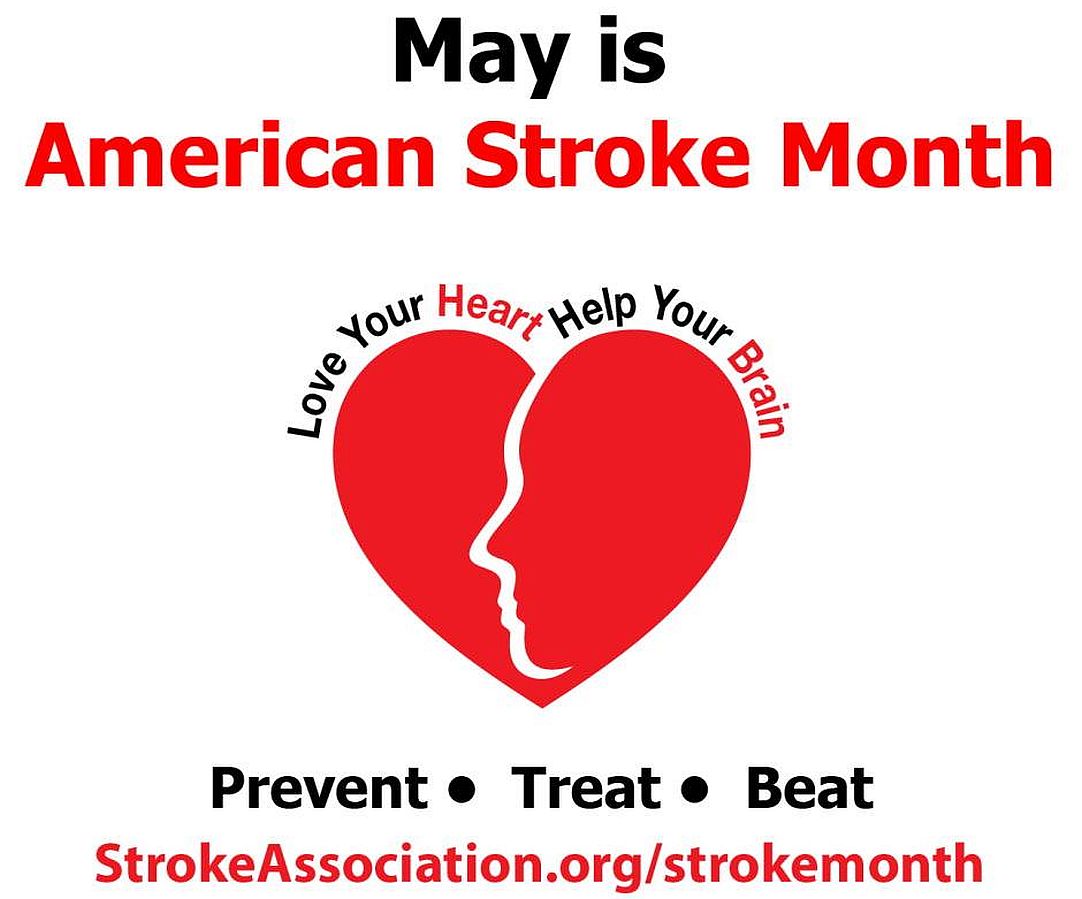
Every 40 seconds, someone in the U.S. has a stroke[1], and 1 in 4 stroke survivors will have another one[2].
During May, American Stroke Month, the American Stroke Association, a division of the American Heart Association, is raising awareness nationwide that stroke is largely preventable, treatable, and beatable.
Here are 3 ways you can act now to beat stroke:
Learn how to spot a stroke F.A.S.T. If you see Face drooping, Arm weakness or Speech difficulty, it’s Time to call 911. Know your blood pressure numbers and keep them in a healthy range. High blood pressure is a leading cause and controllable risk factor for stroke and heart disease. Lowering your blood pressure reduces your risk of stroke. Prevent another stroke – Be a bold advocate for yourself by talking to your doctor about managing risk factors to help prevent a second stroke.
A stroke happens when normal blood flow in the brain is interrupted. When parts of the brain don’t get the oxygen-rich blood they need, those cells die. Quick identification and treatment of stroke equals a higher chance of survival and recovery. Having a stroke puts you at a higher risk for a second one. There are things you can do to reduce your risk, starting with identifying what caused your stroke and uncovering your personal risk factors.
A stroke can happen to anyone at any time. However, the burden and risk of stroke is higher among Black and Hispanic adults in the U.S. This is in part due to unmanaged risk factors including high blood pressure, obesity and diabetes.
A large majority of strokes can be prevented through education and lifestyle changes such as moving more, eating smart and managing conditions like atrial fibrillation (AFib) and high blood pressure.
This American Stroke Month, be a bold advocate for yourself and others by learning the signs of a stroke and talking to your health care team to manage your risk factors. Stroke is an emergency. If someone is having a stroke, they must get medical attention right away.
Spot a stroke F.A.S.T.:
Face Drooping - Does one side of the face droop or is it numb? Ask the person to smile. Is the person's smile uneven? Arm Weakness - Is one arm weak or numb? Ask the person to raise both arms. Does one arm drift downward? Speech Difficulty - Is speech slurred? Is the person unable to speak or hard to understand? Ask the person to repeat a simple sentence, like "The sky is blue." Time to Call 911 - If someone shows any of these symptoms, even if the symptoms go away, call 911 and get to a hospital immediately. Check the time so you'll know when the first symptoms appeared.
Test your knowledge and skills with the F.A.S.T. Experience, a digital series of games and activities designed to educate users on what the warning signs of a stroke look, feel and/or sound like.
Prevent stroke now, so you can be there later. Learn more at Stroke.org/StrokeMonth.
The HCA Healthcare Foundation is a national sponsor of the American Stroke Association’s Together to End Stroke® initiative and American Stroke Month.
 St Francisville dealing with multiple issues
 Lawrence County seeking I.D.C. Director
 Tate to drop withdraw of guilty pleas
 Wind Advisory issued for region
 Authorities arrest two in Lawrence County
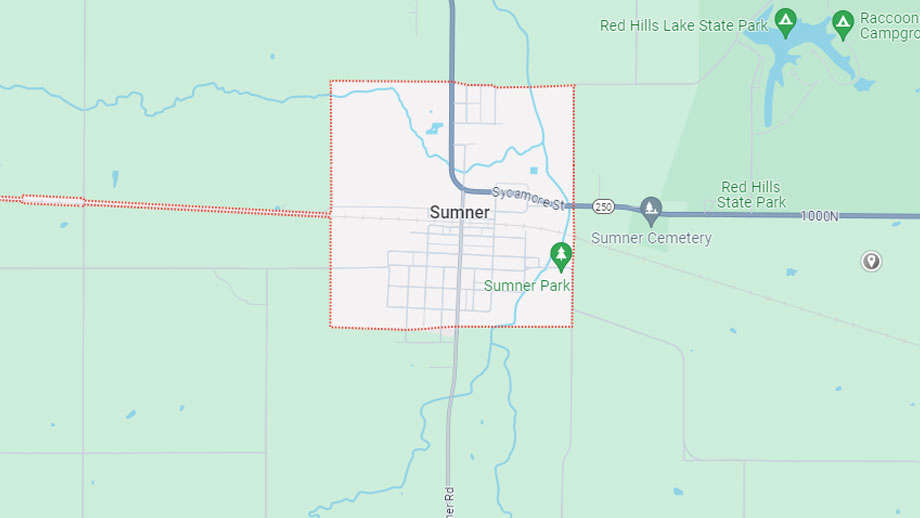 Sumner to get grant for water system expansion
 Knox County man sentenced to prison
 Flooding impacting an area local utility, flood-prone homes to be disconnected
 Embarras River Flood Warning extended
 EIU Super-Sectional game audio: Lawrenceville 48, LeRoy 26 (original air date March 9, 2026)
 Lawrence County authorities make three weekend arrests
 IDHS focuses on raising awareness during Severe Weather Preparedness Week, March 8-14
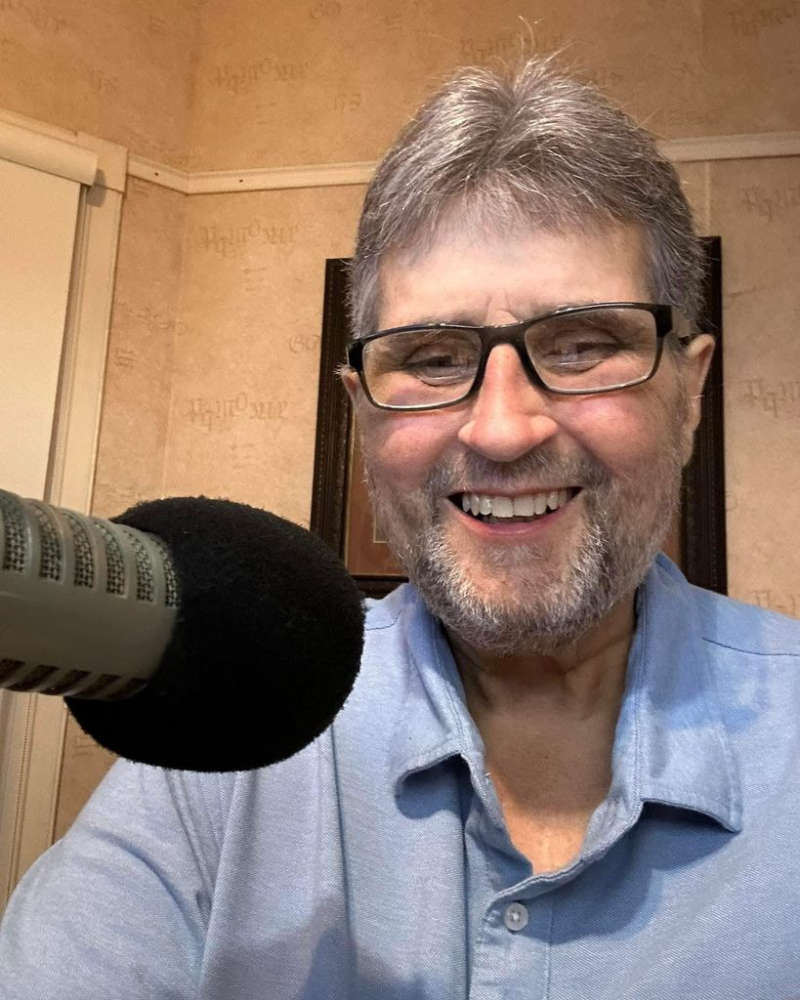 Edward Charles Ballinger, 65, Vincennes
 Rose named to Illinois Senate leadership team
 Indiana earns top credit rating from major agency