

The Shelbyville Redevelopment Commission approved a $2.1 million transfer to the City of Shelbyville Monday at a special meeting at City Hall.
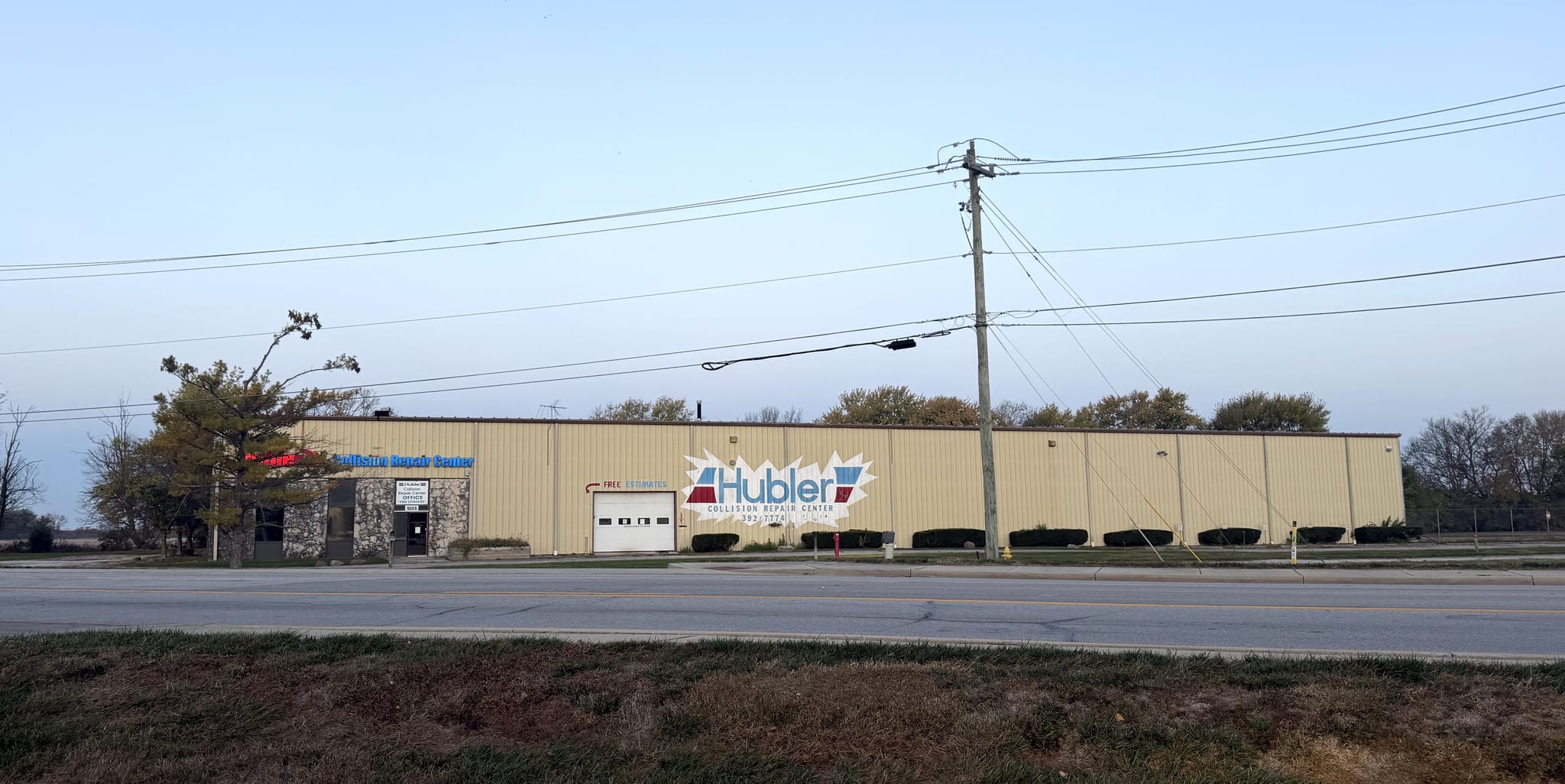
The tax increment funds will assist the city in purchasing land at 1805 S. Miller Avenue that would become the new home of the Shelbyville Police Department.
Shelbyville Mayor Scott Furgeson has been vocal about the need for a new police station. Current Police Chief Louie Koch detailed the space issues the department is currently facing at its current location, the Shelby County Criminal Justice Center at 107 W. Taylor Street.
Koch joined the Shelbyville police force in 1998 when there were 35 city officers and 24 Shelby County deputies sharing the same workspace. Nearly three decades later, the police force has risen to 50 and there are more than 40 deputies.
“Both sides (city police and county deputies) are out of room. It’s very tight spaces,” said Koch Monday to the three commission members in attendance.
Mark McNeely, Phillip Haehl and Kassy Wilson were present for the meeting. Not present were Nancy Smith and Samuel Terrell.
The desired property on the city’s west side, formerly the Hubler Collision Repair Center, has had its two required appraisals. The city will pay the average of the two appraisals which is below $2.1 million.
The city also is working through the bond process to help pay for the next police department building. Once that process is complete, the Redevelopment Commission will receive back the $2.1 million transfer.
The Shelby County Post is a digital newspaper producing news, sports, obituaries and more without a pay wall or subscription needed.
 Buckle Up Phone Down Day, urging safe choices on the road
 Beware of impersonation scam as callers pose as IPLA staff
 Workforce training to expand with nearly $19 million in federal grants
 Chronic absenteeism improves in Indiana for fourth consecutive year
 Amazon is creating over 300,000 new U.S. jobs this holiday season
 Indiana State Police partners with DEA for Drug Take Back Day
 4C Health’s SAMHSA-funded REACH grant connects 385 individuals to support, housing, and treatment