


As fall migration begins and birds travel to warmer climates, the risk of avian influenza—commonly known as bird flu—remains a concern for U.S. poultry.
This fast-moving and deadly virus, primarily spread by migratory birds and wild waterfowl, still poses a threat. Producers play a vital role in helping us maintain this progress and preventing a resurgence through strong biosecurity practices.
Avian influenza can infect backyard flocks, pet birds, and commercial poultry through contaminated droppings, tainted water sources, and direct contact with infected birds. With migration season soon underway, it's more important than ever for anyone who keeps or works with birds to follow strict biosecurity and safety practices to help stop the spread.
Key facts:
- Since the outbreak started in 2022, HPAI has been detected in all 50 states and 1 territory, affecting a range of species, including chickens, turkeys and geese.
- To date, nearly 11 million U.S. households own backyard chickens. While backyard poultry is common in rural areas, it’s a growing trend in urban areas.
- For the commercial poultry industry, there are over 168,000 farms with approximately 374,000 poultry workers nationwide, the majority are family farms (97%).
- To help raise awareness and educate the public on bird diseases, USDA APHIS launched a campaign with free resources called, Defend the Flock.
 IDHS warns against disaster assistance fraud
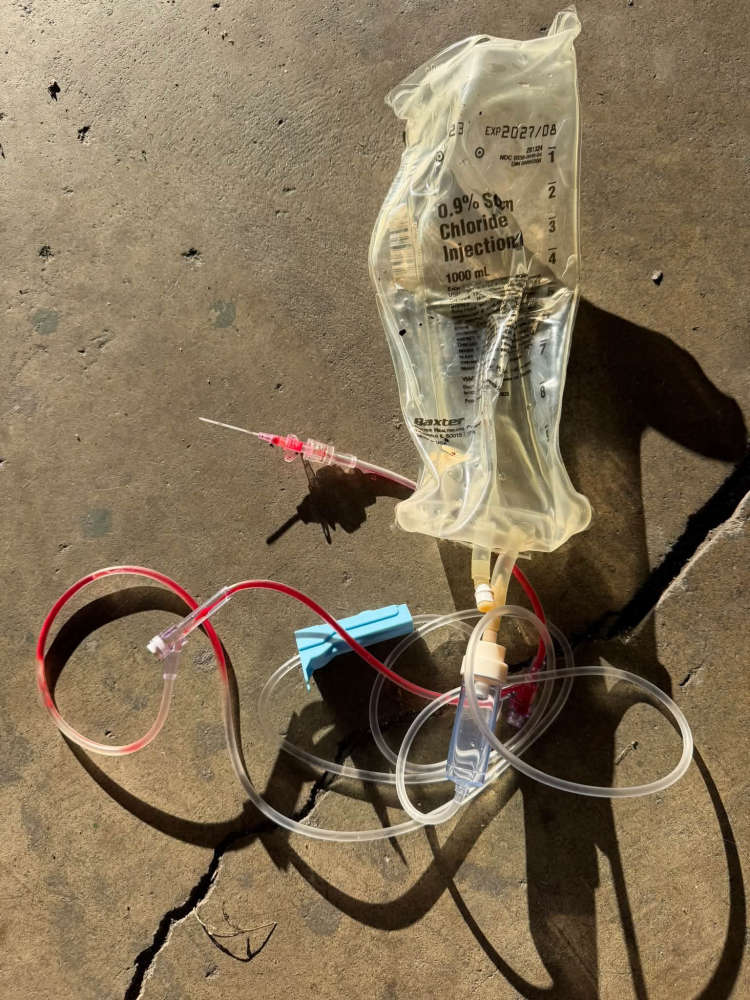 Recycling trailer pulled from public use as medical waste keeps getting dumped
 Akron man charged with attempted murder
 Popular restaurant announcing it will be closed on Sundays
 30th Annual Car Show and 34th Annual Chili Cook-Off readying for Saturday
 Pulaski County traffic enforcement operation leads to nine arrests
 Applications open for Indiana's Advanced Nuclear Ready Communities Program