


In a decisive move that could set a precedent for other communities across the state, the Marshall County Commissioners voted Monday to permanently ban data centers and impose strict new regulations on large-scale solar and battery energy storage developments.
The permanent ban on data centers takes effect immediately, replacing a one-year moratorium the county previously had in place to block the development of data centers and industrial-scale solar farms. County leaders noted that this may be the first permanent ban of its kind in Indiana.
"We've been working for the last year and a half on making sure we have the right protections in place for the people of Marshall County," Commissioner Jesse Bohannon said on GIANT fm WTCA’s morning show. "This is a big issue around the state, and people have been coming in trying to put in data centers and battery energy storage and farm-scale solar and then the carbon sequestration as well."
In addition to the data center ban, the commissioners adopted an ordinance placing heavy restrictions on Battery Energy Storage Systems (BESS). These facilities will now require a strict 1,320—foot (a quarter-mile) setback from the nearest adjoining property line.
Commission President Stan Klotz emphasized safety concerns regarding these facilities, stating that residents do not want what he described as a potential "HAZMAT site" in their backyards. Klotz pointed to recent tornado damage at a solar farm in Wheatfield as a primary example of the risks involved.
The commissioners also advanced the first reading of new regulations targeting large-scale solar farms. The proposed ordinance would cap solar projects at a maximum of five acres of solar panel area. The plan passed its first reading on Monday and will be up for a final vote at the commissioners' next meeting on May 4th.
While Marshall County already had some rules governing these industries, officials, guided by experts brought in by the battery subcommittee, felt the existing framework did not fully protect the county's interests or its agricultural landscape.
According to Bohannon, future energy development in the county could instead focus on natural gas generation facilities or even small nuclear reactors, which require significantly less land.
As energy development continues to be a pressing issue statewide, Marshall County's aggressive legislative approach could serve as a roadmap for other counties grappling with the impacts of data centers, solar farms, and battery storage on local land use and job creation.
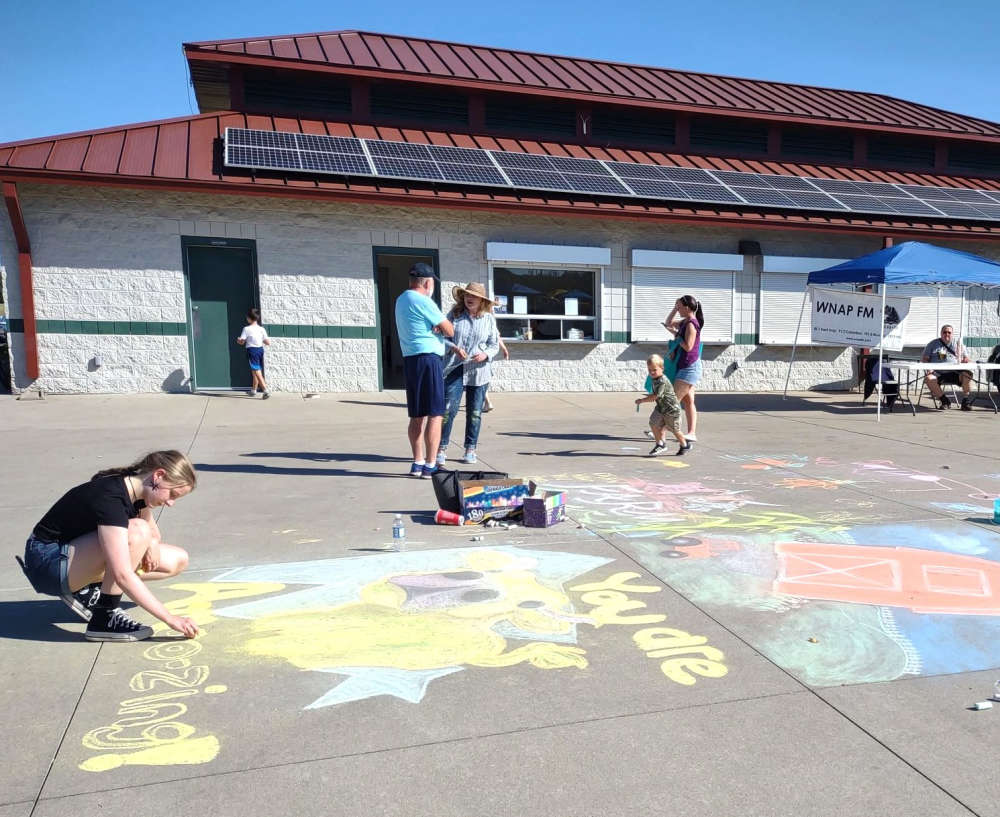 Arts in the Park coming to Blue River Memorial Park Saturday
 Mary Alice Linne, former owner, operater of Linne’s Bakery passed away
 Shelbyville firefighters called to Old Hickory Thursday night
 BMV branches closed for Labor Day weekend
 Triton Central opens HLC schedule at Speedway
 Unbeaten Golden Bears take first step into Hoosier Legends Conference Friday
 Governor Braun delivers another month of gas savings for Hoosier families
 $120M granted to Indiana to improve healthcare access