

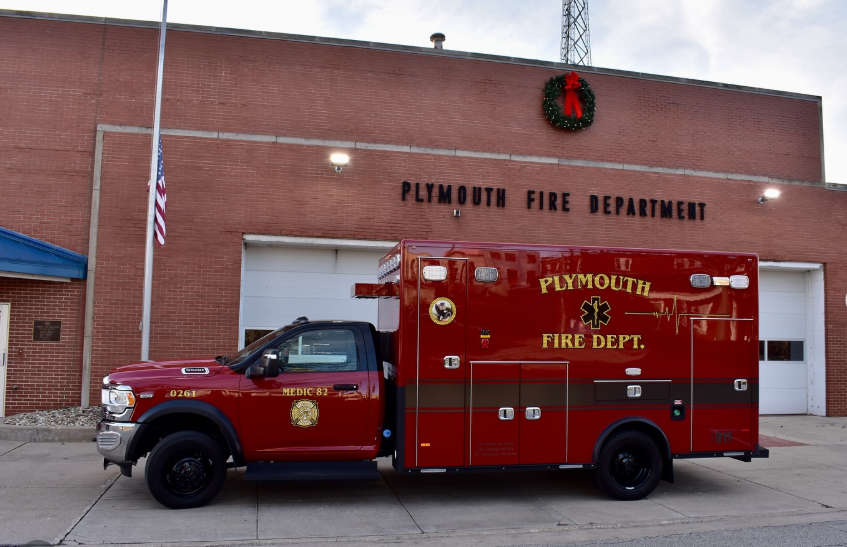
The Plymouth City Council advanced an ordinance this week that would implement fees for non-emergency and lift assist calls to residential care facilities, citing concerns that routine requests are preventing the fire department from responding to true emergencies.
The measure passed second reading on Monday, though a final vote has been postponed to allow for additional research into private residence calls and actual cost calculations.
Assistant Chief Ward Jernstrom explained that the department has received an overwhelming number of non-emergency lift assist requests over the past two years, often pulling first responders away from availability for critical emergencies.
"The issue is that the city's first responders are being called away, and when a true emergency call comes in, the city has to call another department to respond," Jernstrom said.
According to Fire Chief Steve Holm, the department has handled 73 non-transport lift assists at Autumn Trace, 24 at Miller's Assisted Living, and 6 at Miller's Nursing Home over the past two years.
Rather than charging individuals who fall, the ordinance would charge the residential care facilities providing 24-hour care. The fee structure includes: $500 per call for each of the first three non-emergency lift assists in a calendar year, and $1,000 per call for any additional calls. This represents a significant increase from the current $150 per non-emergency call.
City Attorney Jeff Houin said the department worked with the city's Human Resources Department to research calls and review ordinances from other municipalities before drafting the proposal.
Brian Zehr, executive director of Miller's Senior Living Community, expressed concern about the higher fee and charging the facility instead of the patient. He said he assumed that the facility would likely pass the $500 cost on to residents. Zehr said in 2025, the fire department had responded to 25 calls to Miller's Assisted Living, with 19 patients transported to the hospital.
"Miller's Assisted Living is a non-licensed assisted living facility, and under Indiana law, we follow a social model," Zehr said. "While someone is there 24 hours a day, they don't have the medical knowledge and don't assess the client. It's as if they are living in their own home."
Zehr argued there should be flexibility for the fire department to assess situations before determining whether a call is truly non-emergent.
City Councilman Randy Longanecker advocated for calculating the true cost of each response, including 911 fees, liability insurance, vehicle costs, equipment, fuel, labor, and required paperwork.
"While I hate that some facilities will pass on the cost, I believe the city should collect the true cost and that taxpayers shouldn't bear the burden," Longanecker said.
However, Chief Holm emphasized that the primary concern isn't revenue but maintaining emergency readiness. "It doesn't come down to the amount of money," Holm said. "In our job, we are caring for those in a truly dire emergency—it's their worst day. When the city has to call for assistance from another department for a true emergency call, we want to avoid that. We need to concentrate on our true calling and what we need to provide over non-emergent calls."
Chief Holm noted that the department currently receives a $150 refusal fee for any call where a patient isn't transported.
The ordinance will return for a final reading after city officials conduct additional research on private residence lift assist calls and perform a comprehensive cost analysis. Council members indicated they want to ensure the fee structure is fair and reflects actual expenses while addressing the department's operational concerns.
 ICAC looks to grow in search for online predators
 Annual Report available from Greencastle Fire Department
 VA announces $112M grant opportunity to strengthen community-based suicide prevention efforts
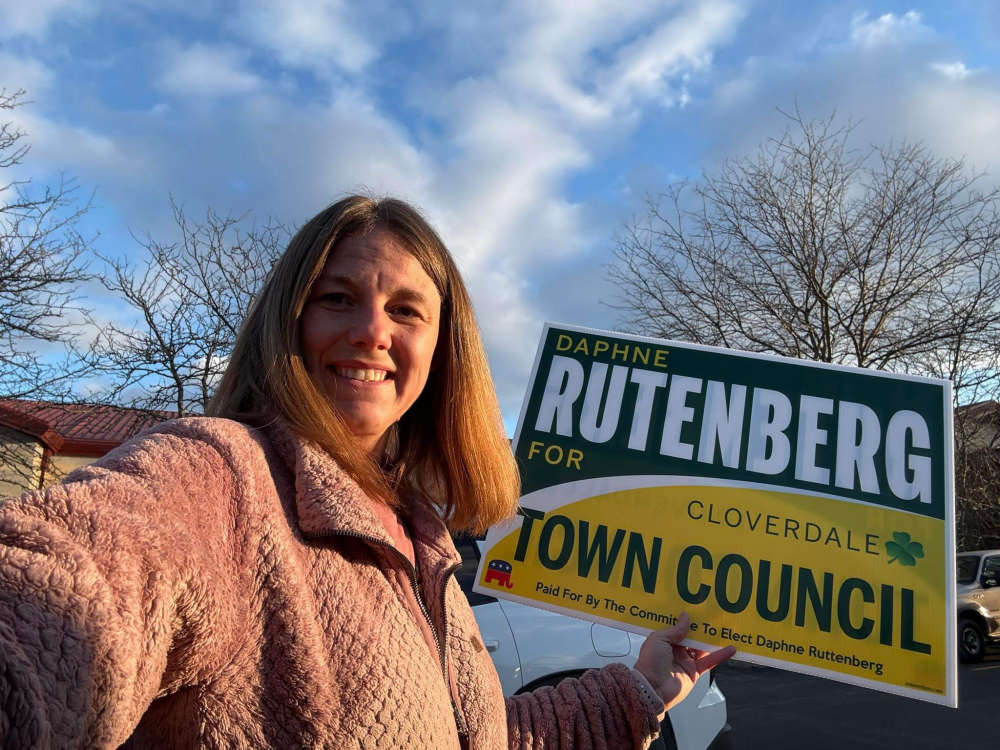 Rutenberg eyes seat on Cloverdale Town Board
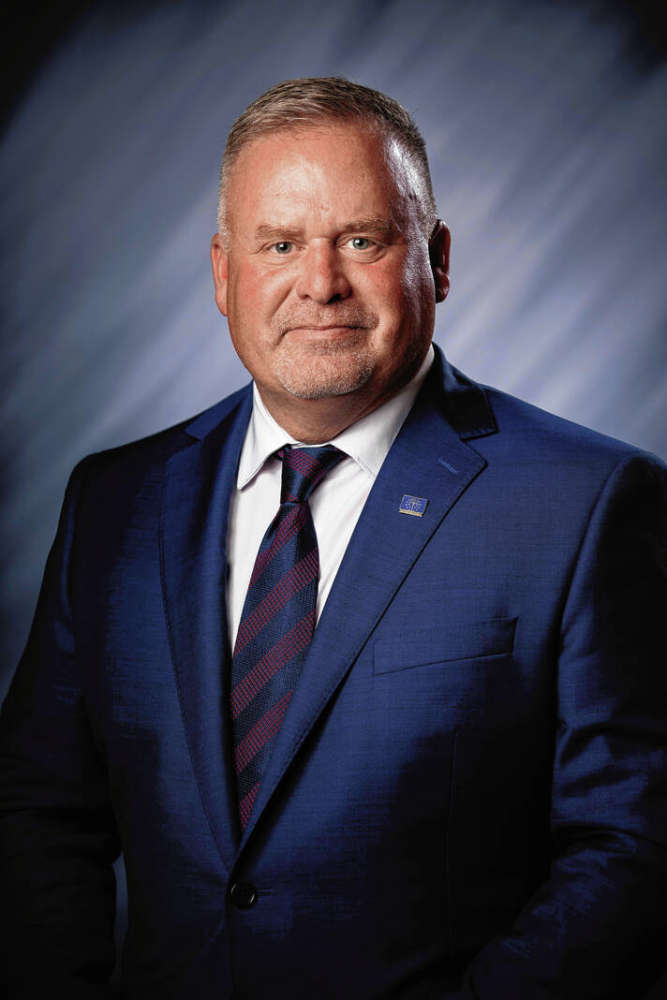 Haggard looks to unseat Congressman Baird
 Nominations being accepted for 2026 John Arnold Award for Rural Preservation
 Opening of 2026 Congressional Art Competition
 New track chairs make Indiana a national leader in accessibility at state parks