

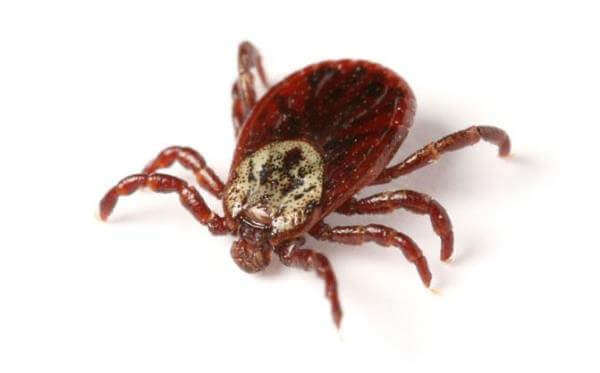
Indiana health officials urge Hoosiers to protect themselves from tick bites as the weather warms up and tick activity increases across the state.
“Hoosiers who work outdoors or spend time enjoying outdoor activities are at increased risk for tick bites and tick-borne diseases,” said State Public Health Veterinarian Dr. Jen Brown, DVM, MPH. “Whether you’re on the job or on the trail, it’s important to take simple precautions to protect yourself when ticks are active from now through the late fall.”
Last year, IDOH medical entomologists identified Heartland virus in ticks and one human case in southern Indiana, indicating the presence of a new tick-borne disease in the state. Heartland virus can cause symptoms such as fever, fatigue, decreased appetite, headache, nausea, and diarrhea. Unlike many other tick-borne diseases, Heartland virus is not treatable with antibiotics, making prevention of tick bites especially important.
In addition to Heartland virus, Hoosiers are at risk for several other potentially severe tick-borne diseases. While Lyme disease is the most common tick-borne disease in Indiana, Hoosiers are also at risk for ehrlichiosis, Rocky Mountain Spotted Fever, and alpha-gal syndrome, a condition caused by tick bites that can trigger an allergic reaction to red meat. Ticks that carry diseases can be found in all parts of the state.
Preventing tick bites is the best way to prevent tick-borne diseases. We encourage Hoosiers to take the following precautions:
- Know where ticks are likely to be present (close to the ground in grassy, brushy or wooded areas)
- Treat boots, clothing and outdoor gear with 0.5% permethrin (NOTE: permethrin should NOT be used on bare skin)
- Use EPA-registered insect repellents with active ingredients such as DEET, picaridin, IR3535, oil of lemon eucalyptus (OLE), para-menthane-dio (PMD) or 2-undecanone
- Treat your pets for ticks in consultation with a veterninarian
Once indoors, people should thoroughly check for ticks on clothing, gear, pets and skin. Tumbling clothes in the dryer on high heat for 30 minutes will kill ticks, and showering can help remove any unattached ticks. Attached ticks may be safely removed by using tweezers to grasp the tick close to the skin and then pulling outward with steady and even pressure. After the tick is removed, the area should be washed thoroughly. Fingernails should never be used to crush ticks.
Anyone who becomes ill after finding an attached tick should see a healthcare provider immediately and alert the provider to the exposure. Prompt diagnosis of tick-borne disease can help prevent complications. Testing ticks to see if they are carrying diseases is not generally recommended, as the information cannot reliably be used to predict whether disease transmission occurred.
Visit the IDOH website for more information about where ticks and cases of tick-borne disease have been detected in Indiana and more information about tick bite prevention, including step-by-step instructions on how to safely remove an attached tick.
 Education Union for ISTA staff files unfair labor charges
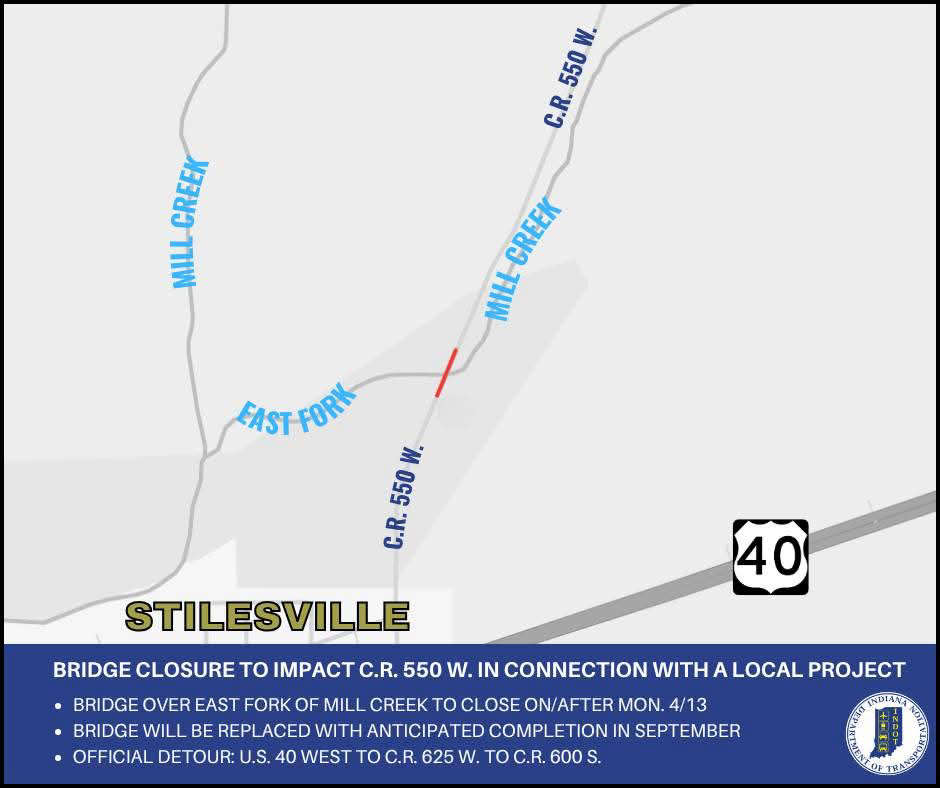 County Road 550 W. to close near Stilesville in connection with a local project
 Hoosiers may qualify for free well water testing
 FBI joins search for missing Owen County woman
 Archival Crawl hosted by Putnam Co. Public Library, Depauw and Putnam Co. Museum
 Attorney General vows to protect Hoosiers from gas price gouging during temporary gas tax suspension
 Elevated fire weather risk in Central Indiana
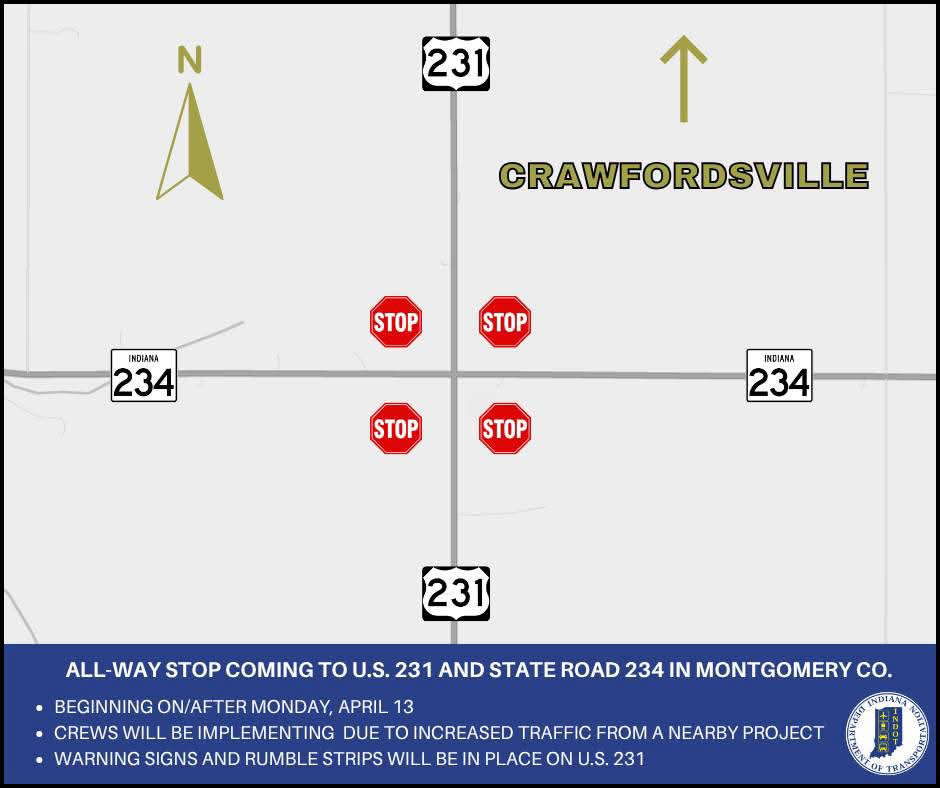 All-way stop coming to U.S. 231 and State Road 234 in Montgomery County