


Are you planning to put out a garden this year?
I do and I will be spending some time dusting off the canner to pickle my favorite, beets, this summer! Home food preservation is a fantastic way to preserve it now and enjoy it later. But, before I start, I must stop and ask myself, “What methods are safe?”
If you have never preserved food before, and want to learn how, I would encourage you to participate in the home food preservation workshops on Tuesday May 19th, at the Hendricks County 4-H Fairgrounds in Danville for this FREE, science-based program designed to help you safely preserve foods at home. You can register for the class, by contacting the Purdue Extension Hendricks County office at 317-745-9260. Two class options are offered: 2:00 – 4:00 PM and 5:00 – 7:00 PM.
If you’re looking to “can” produce from your garden, there are only two safe methods: boiling water bath canning and pressure canning. Boiling water bath canning is safe to use when canning high–acid foods, which are the majority of your fruits and pickled foods. Pressure canning is required when canning low-acid foods, which includes most vegetables and meats.
Low acid home canned foods are associated with Clostridium Botulinum. It has an 8% fatality rate and patients require hospitalization. Botulism toxin is a neurotoxin; it attacks nerve cells and paralyzes them. Symptoms appear 4 to 8 hours after eating contaminated food and begin at the head and work slowly downward. The danger of Clostridium Botulinum is the number one risk to our home canned foods, and why we must ensure proper canning techniques are being used.
In order to create a vacuum seal, you must submerge jars in a boiling water bath or pressure canner. Canned foods should also only be made using USDA approved recipes. You can find these recipes from the National Center for Home Food Preservation, So Easy to Preserve and the USDA Complete Guide to Home Canning.
Reminder: pressure canner dial gauges should be tested for accuracy each year. Contact Purdue Extension Montgomery County at 765-364-6363 to schedule a time to bring your canner lid in for testing. Do not hesitate to call at any time with canning questions. It is better to be safe than sick.
Visit our homepage at www.extension.purdue.edu/putnam or you can contact the local Purdue Extension Office by calling 765.653.8411 for more information regarding this week’s column topic or to RSVP for upcoming events. It is always best to call first to assure items are ready when you arrive and to RSVP for programs. While many publications are free, some do have a fee. Purdue University is an equal access/equal opportunity institution. All times listed are Eastern Time.
Upcoming Events:
Apr. 2, 9, 16, & 23 – Grass to Garden virtual program, 10 am-12 pm, $50, register at
https://cvent.me/Ayr09B
Apr. 3 – Extension Office closed
Apr. 7 - Breeding & Growing Daylilies in Indiana, 7-8 pm, Fairgrounds or virtually at
https://tinyurl.com/MGApril26
 Brazil man arrested for theft from Clay County Humane Society
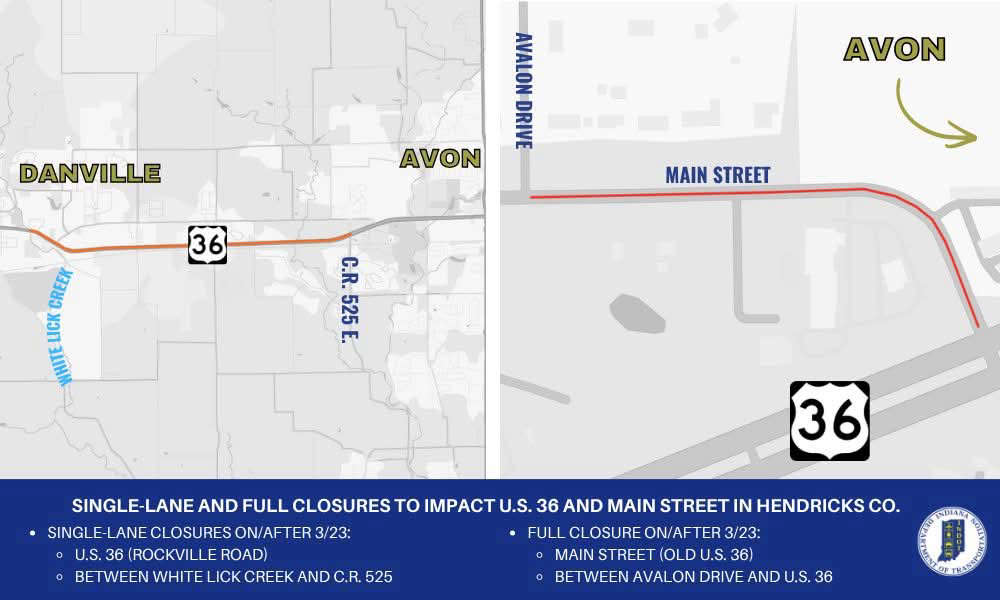 Single-lane and full closures to impact U.S. 36 and Main Street in Hendricks County
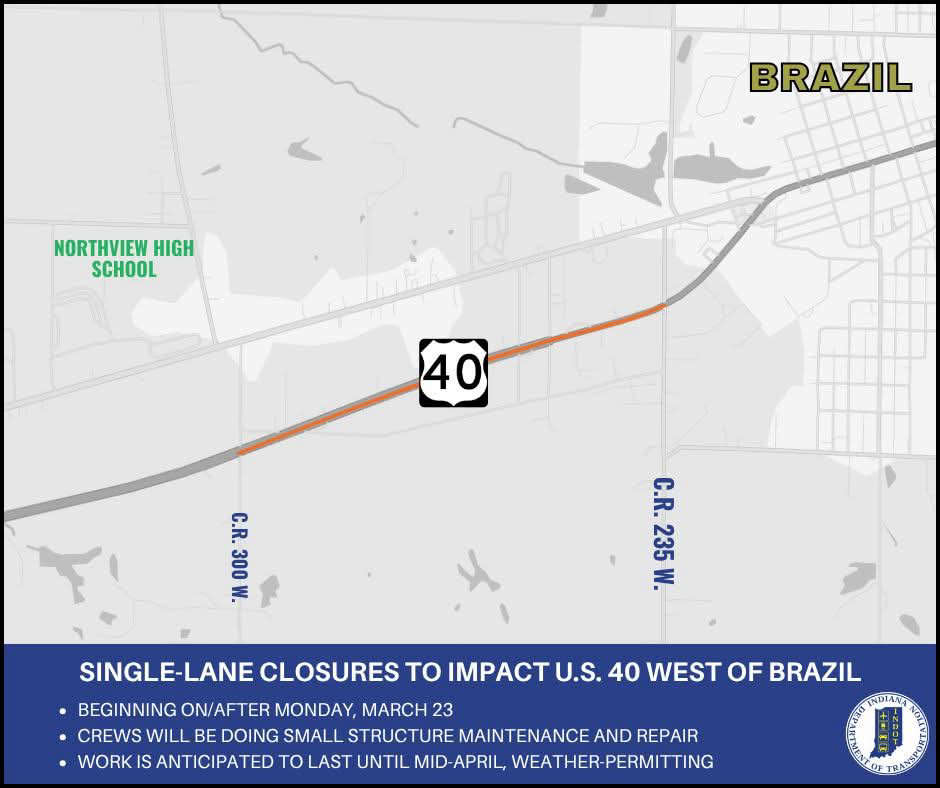 Lane closures to begin on U.S. 40
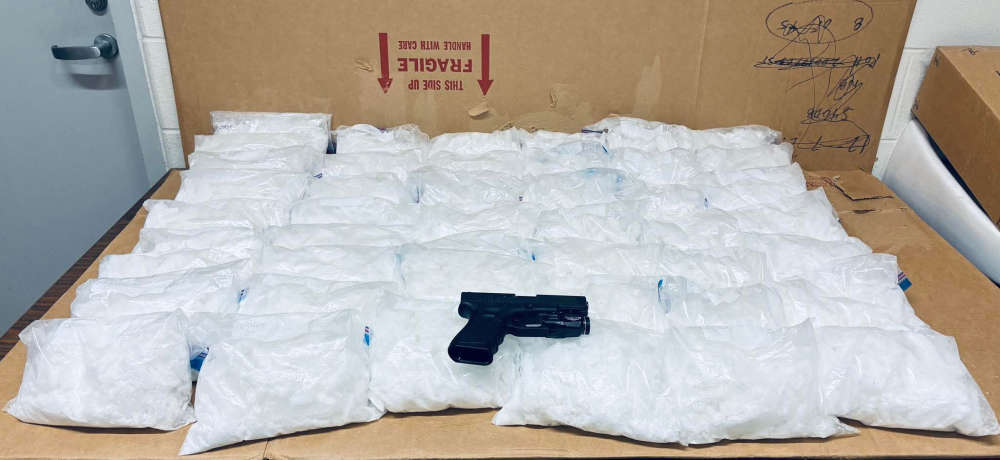 California truck driver found with 100 pounds of meth in Putnam County
 ICAC looks to grow in search for online predators
 Annual Report available from Greencastle Fire Department