


The Indiana Department of Health urges residents to vaccinate their pets against rabies and to keep a safe distance from wildlife after skunk rabies was detected in two southern Indiana counties.
Skunk rabies is normally present in northern Kentucky, but these are the first cases confirmed in Indiana since 2004. No human infections are suspected.
“When rabies is spreading among skunks, it can increase the risk for both animals and people,” said Indiana State Public Health Veterinarian Dr. Jen Brown. “Now is the time to make sure that your pets are up to date on their rabies vaccinations.”
Hoosiers can reduce the risk of rabies in people and animals by doing the following:
Vaccinate dogs, cats and ferrets for rabies Keep cats and ferrets indoors and dogs on a leash or under direct supervision Leave stray animals and wildlife alone Spay or neuter your pets to help reduce the number of stray animals in the community Contact animal control or law enforcement to remove stray animals from your neighborhood
The rabid skunks were from Clark and Washington counties. The Indiana Department of Health is working with partners to determine whether other southern Indiana counties are affected. Hoosiers can help by reporting sick or dead skunks to the Indiana Department of Natural Resources Division of Fish & Wildlife Health Program at on.IN.gov/sickwildlife. Members of the public should not approach or touch skunks or any other wild animals, even those that appear healthy.
Rabies is a viral infection that is primarily spread in saliva through the bite of an infected animal. The virus isn’t spread through blood, urine, feces or skunk spray. In the United States, the virus is typically found in wild animals such as bats, skunks, raccoons and foxes, but unvaccinated pets and livestock can also become infected. While the detection of skunk rabies in south central Indiana is new, rabies has always been present in bats throughout the state.
It’s not always possible to tell if an animal has rabies just by looking at it. The only way to know for sure is to have it tested. Animals with rabies typically act strangely; some may be aggressive and try to bite people or other animals, while others may act shy or be dull and unresponsive. Some rabid animals drool more than normal (“foaming at the mouth”), but this isn’t always the case.
Untreated rabies infection in people is almost always fatal, but it can be prevented with prompt treatment after a bite. If you believe that you have been exposed to rabies, immediately contact your healthcare provider. If you believe that a pet or livestock animal has been exposed to rabies, immediately contact your veterinarian.
 Former Roachdale Town Marshal sentenced to probation
 Indiana Farm Bureau Insurance announces 2027 summer internship program
 Gov. Braun extends tax filing deadline for Hoosiers impacted by August storms
 Read your FEMA letter carefully
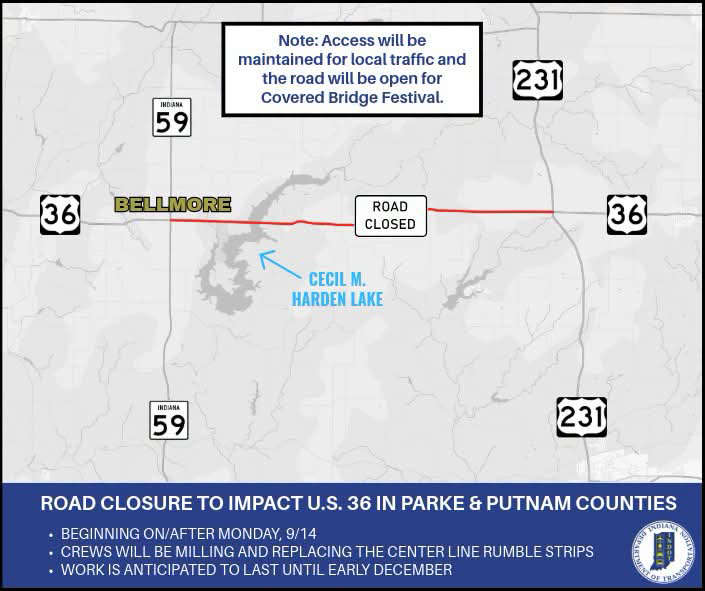 Road closure to impact U.S. 36 in Parke and Putnam counties
 South Vermillion to honor fallen mom all season
 BMV branches closed for Labor Day weekend
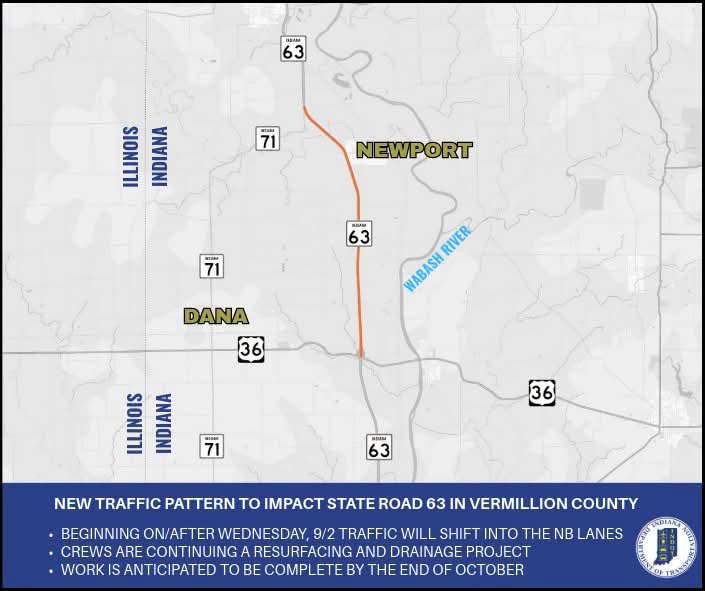 New traffic pattern to impact State Road 63 near Newport
 Riddell National Bank makes new scoreboard reality for Parke Heritage
 Riverton Parke to remember fallen player
 Rockville man arrested after setting fires
 Governor Braun delivers another month of gas savings for Hoosier families
 $120M granted to Indiana to improve healthcare access
 Find a cooling center near you with Indiana 211
 2026 Indiana State Fair celebrates Hoosier spirit, summer fun and memories made
 Heat Advisory in effect through Thursday evening
 USDA offers disaster assistance to Ag producers in Indiana impacted by recent flooding
 First Indiana human case of West Nile found in Allen County
 Legendary 'Indiana Rangers' receive Presidential Unit Citation, Sagamore of the Wabash for Vietnam War heroism