

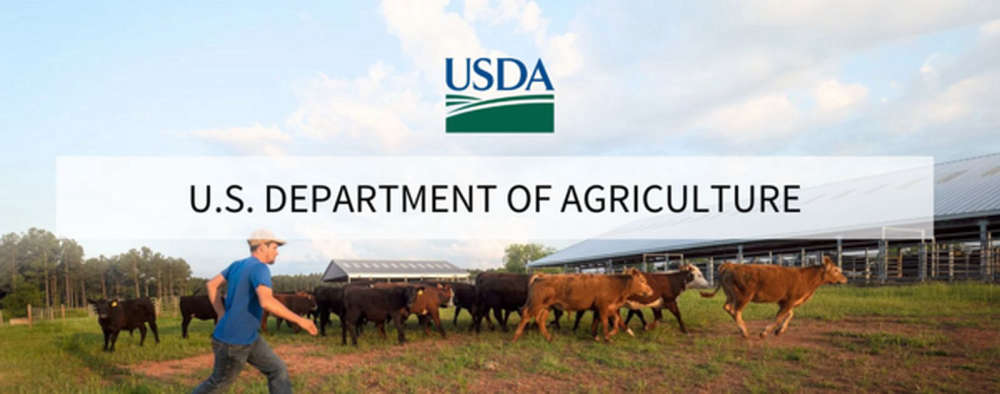
Today, U.S. Secretary of Agriculture Brooke L. Rollins announced the Ranchers First Initiative, a sweeping package of actions to continue rebuilding the Great American Beef Herd and put America’s ranchers back at the center of our nation’s food supply. Building on USDA’s October 2025 Plan to Fortify the American Beef Industry, the Trump Administration is delivering again.
American ranchers embody the independent spirit that drove the founding of America, 250 years ago. For more than two centuries, their independence, resiliency, and committed stewardship have provided American consumers with the safest and highest-quality beef and lamb in the world, and they remain foundational to America’s national security and to the strength and vitality of rural communities. Yet today the nation’s cattle herd sits at a 75-year low, with ranchers forced out of business by burdensome regulations and an outright war on beef waged at the altar of Green New Deal climate extremism.
“Until President Trump took office, America’s ranchers were treated as a problem with policy geared toward their eventual extinction. The consequences were devastating: a war on beef, a cattle herd at a 75-year low, and the loss of tens of thousands of family operations,” said Secretary of Agriculture Brooke L. Rollins. “President Trump promised to put the American ranchers first, and the Ranchers First Initiative delivers on that promise. We are investing real dollars to rebuild the Great American Beef Herd, giving producers the risk management tools they need, cutting the red tape that has squeezed small and independent operators, and demanding transparency in a marketplace that has been consolidated and foreign-owned for far too long. President Trump will make certain the men and women who raise our cattle can hand their operations to the next generation, and that American families can put safe, high-quality, American-raised beef on the table.”
Ranchers First Initiative Actions
New Tools to Support Heifer Retention
USDA is going to secure tomorrow's herd
ECP and Grassland CRP Maximization
USDA will allow producers to use the Emergency Conservation Program (ECP) on Grassland Conservation Reserve Program (CRP) acres to speed recovery after wildfires and other natural disasters. This flexibility is a direct investment in rebuilding the Great American Beef Herd by providing ranchers the ability to rebuild critical infrastructure quickly and minimize long-term losses from disaster events.
Continuing to Revitalize American Local Processing
Following up on the successful Strengthening Processing for U.S. Ranchers (SPUR) program to support small and regional beef slaughter facilities, USDA is creating a SPUR Guaranteed Loan Program to help support regional processing, including establishing
USDA will also establish a Regional Processor Continuity Effort designed to strengthen regional processing capacity and improve business resilience across the agricultural supply chain. With recent processing closure announcements, nearly 20% of beef processing capacity will be available as the herd grows. This is a tremendous opportunity to shift this capacity toward American-owned independent small, mid-size, and new co-ops and keep our critical meat supply out of the hands of foreign control.
Prioritizing American Beef in Federal Spending
USDA will prioritize federal procurement of locally processed American beef by encouraging purchasing across federal and state institutions—including prisons, hospitals, and related facilities. By strengthening locally processed domestic sourcing requirements, USDA aims to bolster demand for American‑raised beef, support U.S. ranchers, and reinforce integrity and transparency within federal food purchasing programs. This builds on last week's Harvest to Hallways announcement advancing healthy food for schools, and will allow USDA to work with not just Health and Human Services, but also the Department of Justice, Veterans Affairs, and the Department of War in what food they purchase.
Supporting New Farmers and Ranchers
Under the Working Families Tax Cuts, USDA was able to expand support for beginning farmers and ranchers for the first decade of operations and increase premium assistance during that entire time frame. New ranchers can also access specialized Farm Service Agency (FSA) loans to buy land, livestock, and equipment, receive free conservation and grazing management support through NRCS, gain risk management protection through livestock insurance programs, and connect with state coordinators.
To help build on these programs, USDA will be establishing an initiative focused on Beginning and Veteran Farmers and Ranchers Affairs. USDA will also be working with the Department of War and the Department of Veterans Affairs, to leverage programs like Department of War’s (DOW) SkillBridge program, to recruit servicemembers departing military service into ranching and farming careers.
 USDA offers disaster assistance to Ag producers in Indiana impacted by recent flooding
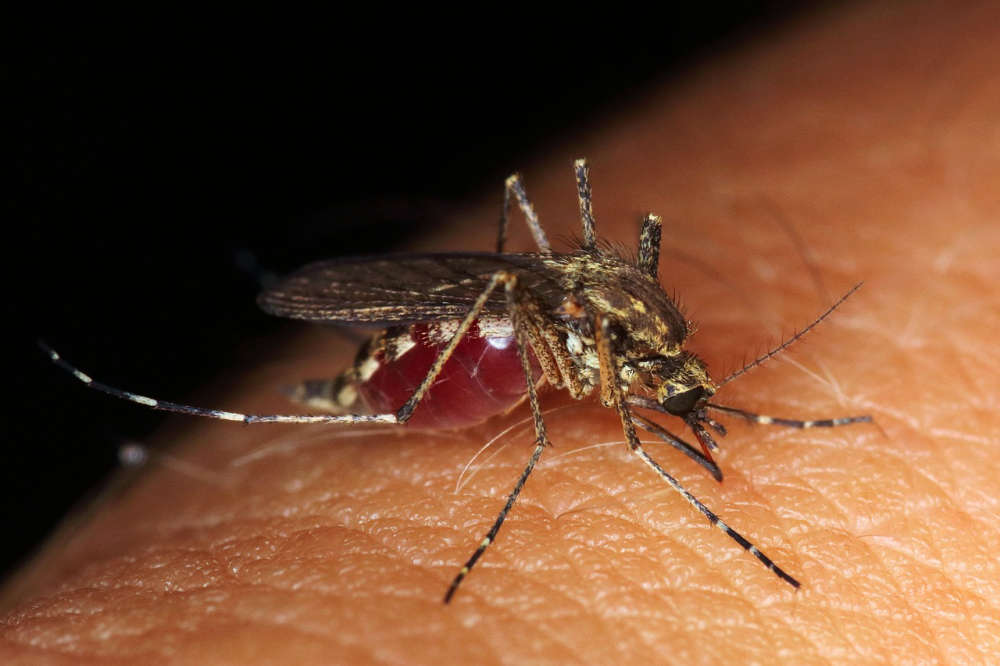 First Indiana human case of West Nile found in Allen County
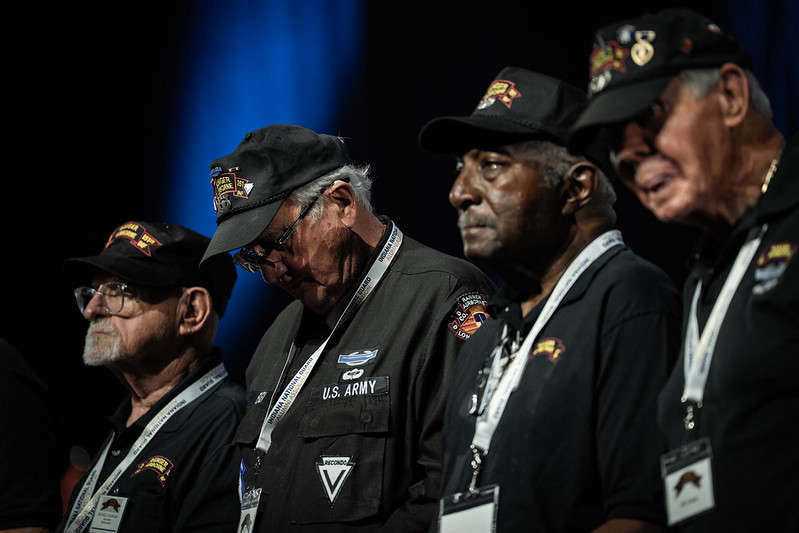 Legendary 'Indiana Rangers' receive Presidential Unit Citation, Sagamore of the Wabash for Vietnam War heroism
 Meta to pay up to $419M to Indiana, implement sweeping child-safety reforms on Instagram and Facebook
 New storm recovery texting service to connect impacted Hoosiers with disaster resources
 Indiana Pork and Indiana Beef donate State Fair food to support flood-ravaged communities
 Parke County native enjoys success with latest business endeavor
 IDEM reminds residents to sort and safely dispose of flood debris
 Gov. Mike Braun orders flags lowered to half-staff in honor of Dolly Parton
 Indiana law enforcement to increase impaired driving enforcement ahead of Labor Day
 Indiana State Fair "Taste of the Fair" presented by Pepsi announces 2026 winners
 Indiana Agriculture and Technology School featured at recent Rockville Rotary meeting
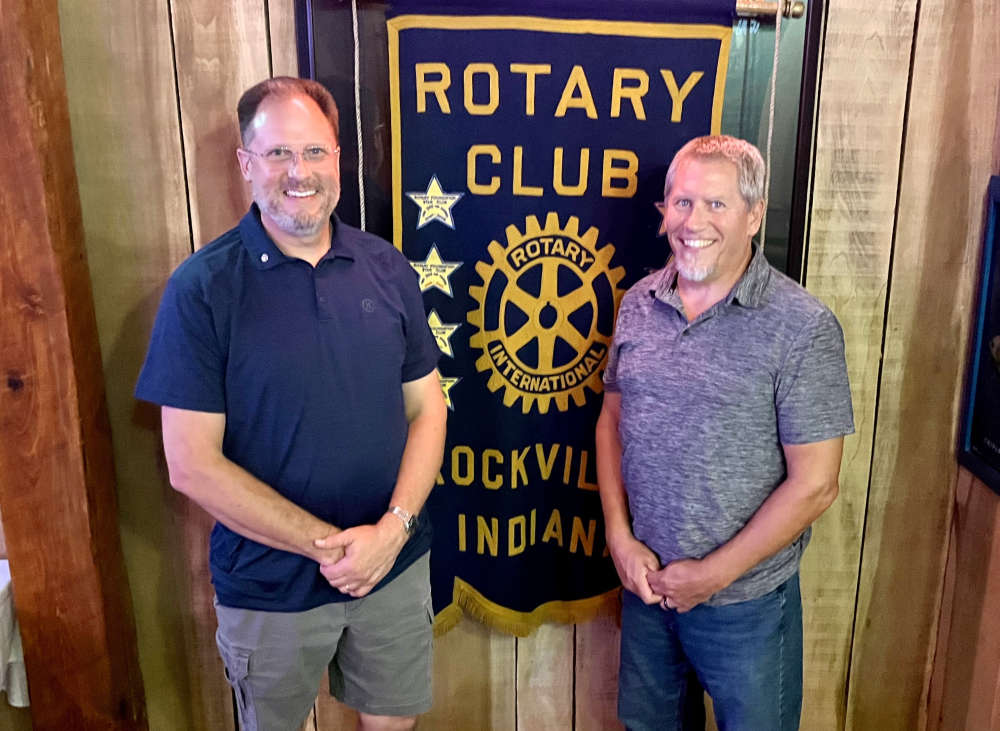 Dwight Ashley joins Rockville Rotary
 Greencastle Music Fest is this weekend
 Little Italy Festival is right around the corner
 Indiana launches emergency program for veterans impacted by historical flooding