
Continuing problems with residential sanitary sewer backups in the Lincoln Heights subdivision and surrounding areas in Lawrenceville led to a recent study of those areas searching for solutions.
The engineering firm Hampton, Lenzi and Renwick (HLR) from Mt. Carmel announced the results of the study this week to the city council. It indicated no significant findings other than some root wads from nearby trees that had infiltrated the sewer lines. They were removed by city crews.
The next step in the process to try and solve the problem is for the city to smoke-test the lines in those areas to search for things such as residential downspouts being tied into the sewer lines and other things that may be contributing to the issue.
A firm cost estimate was not discussed by the council, but there is consideration being given to attempting to locate some grant funding to help cover the cost.
 Meta to pay up to $419M to Indiana, implement sweeping child-safety reforms on Instagram and Facebook
 New storm recovery texting service to connect impacted Hoosiers with disaster resources
 Indiana Pork and Indiana Beef donate State Fair food to support flood-ravaged communities
 Parke County native enjoys success with latest business endeavor
 IDEM reminds residents to sort and safely dispose of flood debris
 Gov. Mike Braun orders flags lowered to half-staff in honor of Dolly Parton
 Indiana law enforcement to increase impaired driving enforcement ahead of Labor Day
 Indiana State Fair "Taste of the Fair" presented by Pepsi announces 2026 winners
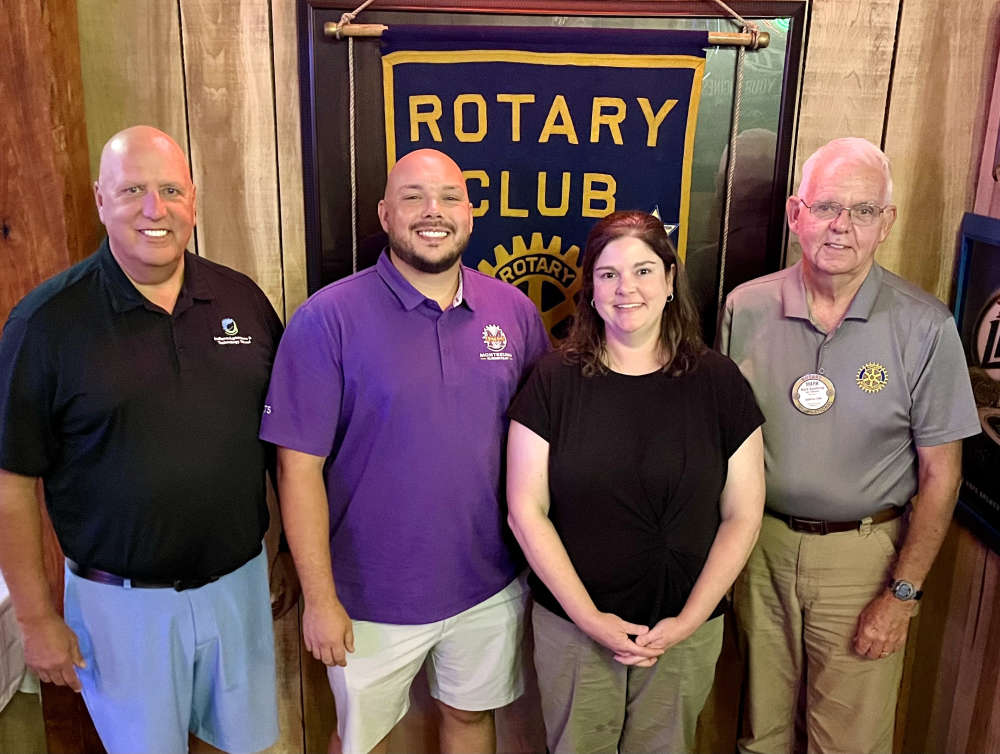 Indiana Agriculture and Technology School featured at recent Rockville Rotary meeting
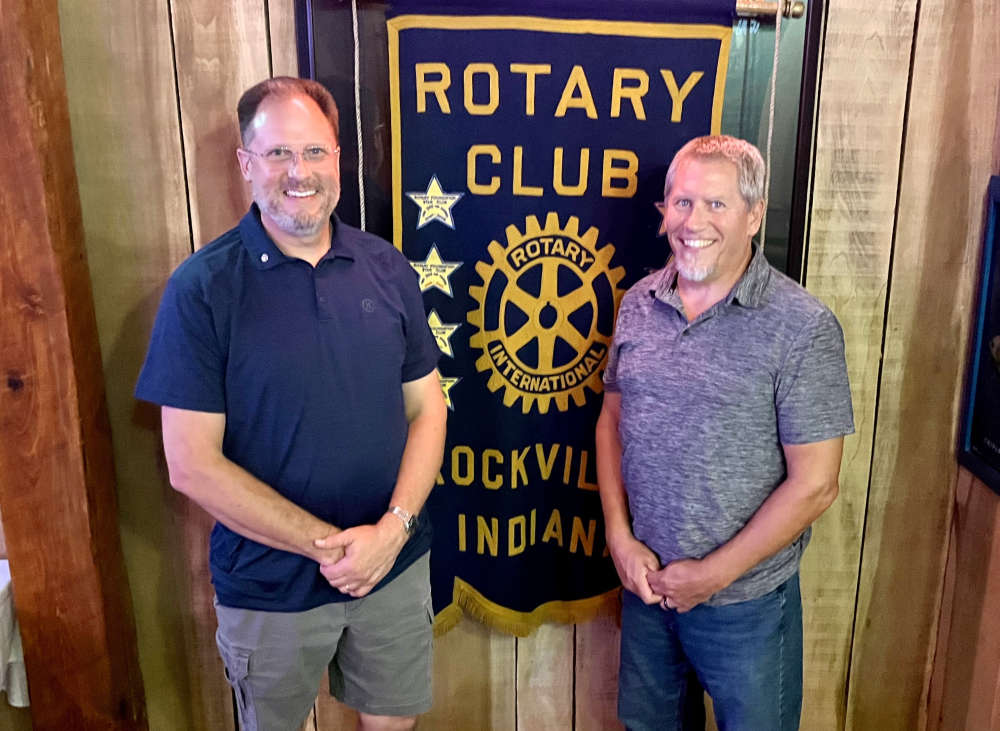 Dwight Ashley joins Rockville Rotary
 Greencastle Music Fest is this weekend
 Little Italy Festival is right around the corner
 Indiana launches emergency program for veterans impacted by historical flooding
 Driver charged after spotted by officer speeding and driving recklessly