

A U.S. District judge sentenced a Nigerian national to seven years in federal prison for conducting a romance scam that stole hundreds of thousands of dollars from at least a dozen identified victims from across the United States. The victims were primarily comprised of elderly or disabled women who thought they were sending money at the request of romantic partner that they had met online.
Ogheneofejiro Godswill Uzokpa, 28, of Warri, Nigeria, pleaded guilty to one count of conspiracy to commit wire fraud and one count of wire fraud. In addition to imprisonment, the judge ordered Uzokpa to pay $329,470 in restitution to his victims.
According to court documents, Uzokpa and uncharged co-conspirators conducted a scheme to obtain money and other assets belonging to his victims between March 2020 and February 2021. Uzokpa and his co-conspirators took advantage of vulnerable women by developing personal, romantic relationships under false pretenses to gain their trust. Uzokpa then used other U.S.-based women, including a woman from Effingham, Illinois, as “money mules” to collect funds from the victims and transfer them to him in Nigeria.
“Targeting vulnerable people to exploit through romance scams is cruel, as the perpetrators not only steal the victim’s money, but they also manipulate their emotions and rob them of a genuine relationship,” said U.S. Attorney Rachelle Aud Crowe. “The defendant’s callous conduct is worthy of this significant sentence, and I applaud the FBI’s efforts to pursue justice for the victims.”
“Overseas scammers can be difficult to identify and investigate but this case is an example of the strength of FBI’s global footprint. The FBI is determined to prevent victimization of the elderly and will not hesitate to reach across geographical boundaries to do so,” said FBI Springfield Field Office Special Agent in Charge Christopher Johnson. “We can’t stress enough how important it is to be aware of the red flags associated with these types of scams. Be cautious when someone you’ve never met in person, begins asking for money or personal information, and don’t hesitate to call us if you suspect you’re being victimized.”
Uzokpa and his co-conspirators used aliases when communicating with the victims and often told victims they were Americans working abroad in a high-paying profession, such as a doctor or surgeon. Once the victims felt a romantic attachment to the scammers, Uzokpa and others often concocted false stories about why they needed money—such as telling the victims that they could not access their bank accounts and needed funds for “processing fees.” Uzokpa and his co-defendants instructed victims to send funds using personal checks, cashier checks, electronic fund transfers or gift cards.
Every year, thousands of Americans fall victim to romance scams. The Federal Trade Commission reports that Americans reported over 64,000 romance scams in 2023 with losses totaling $1.14 billion. If you believe you or a loved one has been victimized by a romance scam, please report the crime to the FBI’s Internet Crime Complaint Center (IC3) at www.ic3.gov.
-30-
 Indiana State Police, local law enforcement increasing patrols during holiday season
 Indiana State University receives $8.5 Million Lilly Endowment grant to lead on AI
 Hoosiers reminded to practice healthy habits this holiday season
 The man behind Marsh Supermarkets has passed away
 Major modernization, expansion, investment at Hydrite in Terre Haute
 Indiana DNR holiday gift packs offer savings on state park access, camping and more
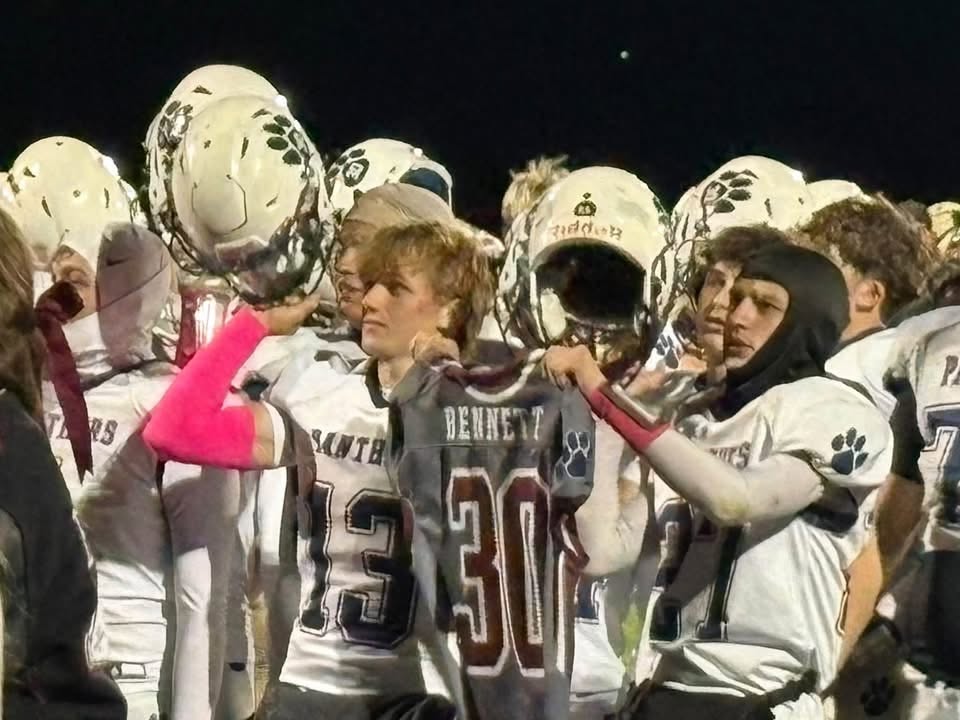 Riverton Parke seeks to win in honor of fallen teammate
 Dana Festival of Lights right around the corner
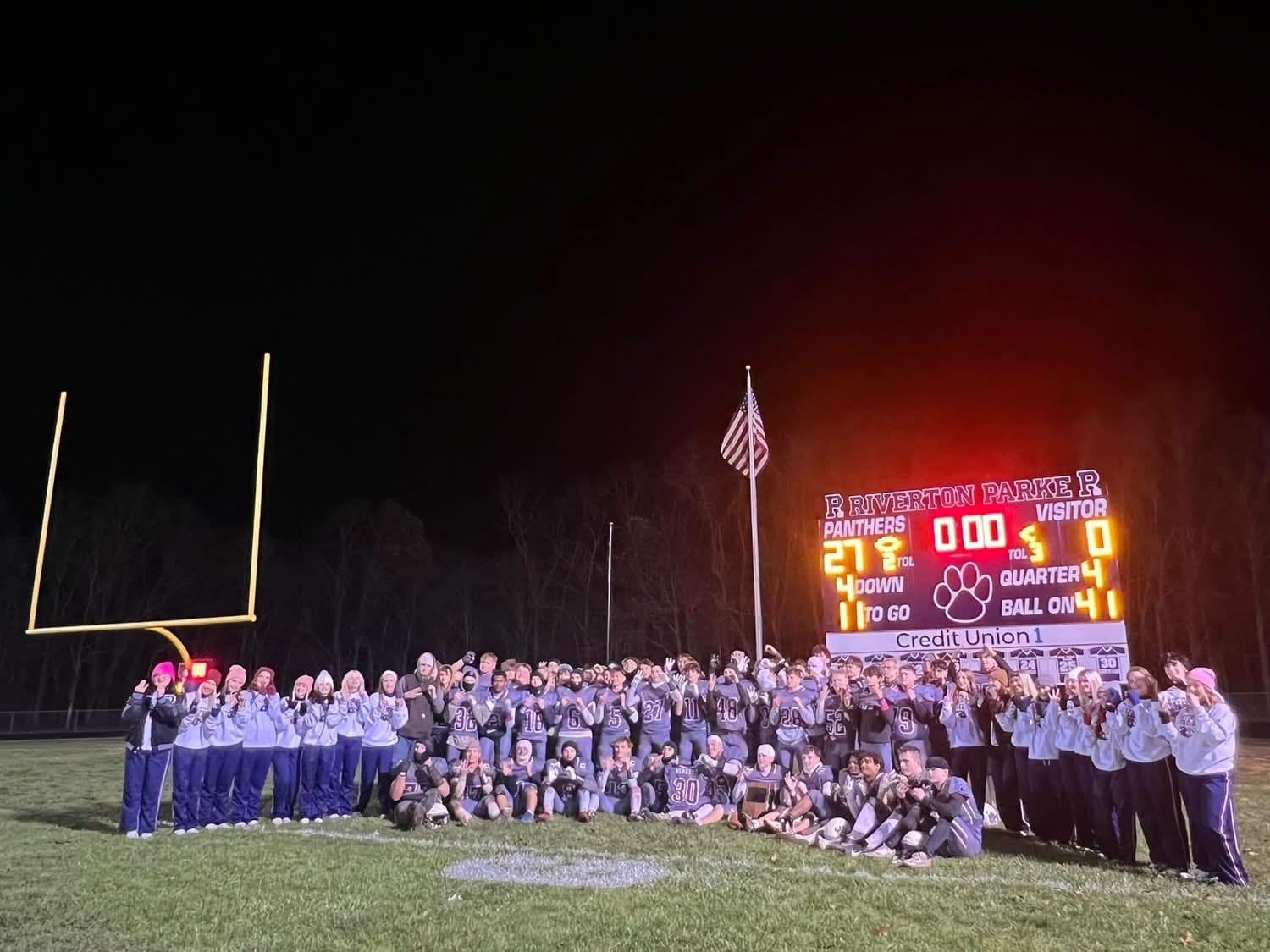 Riverton Parke looks to continue historic run
 Indiana BMV Branches to close for Thanksgiving holiday weekend
 ISP investigating four shooting deaths
 Indiana Thanksgiving food costs down despite higher U.S. average