

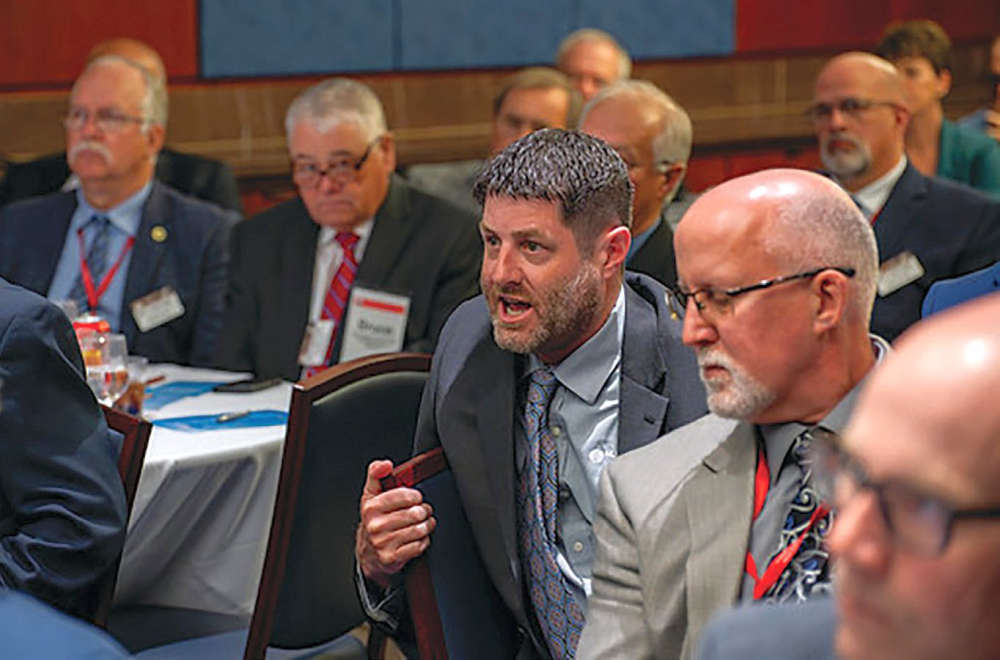
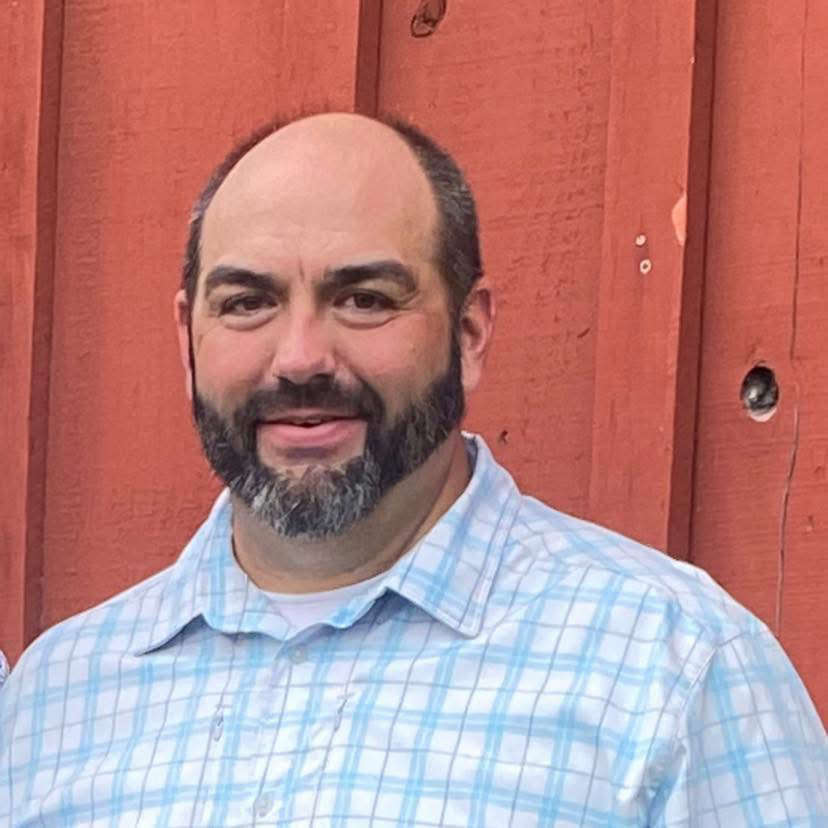
Dave Lewallen, CEO of Marshall County REMC attended the annual Legislative Conference in Washington, D.C. recently.
He said, “This event serves as an essential platform for sharing with our Congressional Delegation how decisions made in Washington impact the communities we serve.”
This necessity for political involvement is why cooperative representatives annually travel to Washington to engage with legislators. While there, these representatives advocate for cooperative members and the rural communities they serve to ensure everyone has access to reliable and affordable power.
Lewallen said, “This year, Dr. Richard Leeper, board chairman, and IEC director, and I attended the National Rural Electric Cooperative Association’s Legislative Conference, where we engaged in meaningful discussions with elected officials and their staff.”
Among other issues, a primary concern brought to their attention is the Environmental Protection Agency’s (EPA) recent rule for existing coal and new natural gas power generation plants. Not-for-profit electric cooperatives, like Marshall County REMC, have a responsibility to represent the best interest of their consumers and are concerned about the impact of this rule. The final rule jeopardizes affordable and reliable electricity by forcing the premature closure of always available power plants, making it harder to permit, site, and build critical new power plants. Unfortunately, the final rule comes at a time when reliability concerns are growing, and energy demand is increasing across the country.
Lewallen said, “Indiana’s electric cooperatives support a responsible energy policy that balances Hoosiers’ energy needs with environmental concerns.”
Another significant issue they raised is the protection of the rural electric infrastructure that powers our homes, schools, hospitals, and businesses. Lewallen said the electric pole network owned by Marshall County REMC is also used by cable, telephone, and broadband companies. He went on to say, “Our cooperative must ensure that pole infrastructure is structurally sound for all intended uses and meets electric reliability and safety standards. However, legislative or regulatory proposals can jeopardize safety and reliability while driving up costs for electricity. We asked legislators to leave rules about our local electric infrastructure up to state policymakers.”
Lewallen said in closing, “Throughout our meetings, the strong support from cooperative members was evident and impactful. Legislators recognize our role as rural voters’ representatives, ensuring that your voices are effectively heard in Washington.”
 Indiana Corn Marketing Council seeks farmers to serve on its board of directors
 ICAC looks to grow in search for online predators
 Nominations being accepted for 2026 John Arnold Award for Rural Preservation
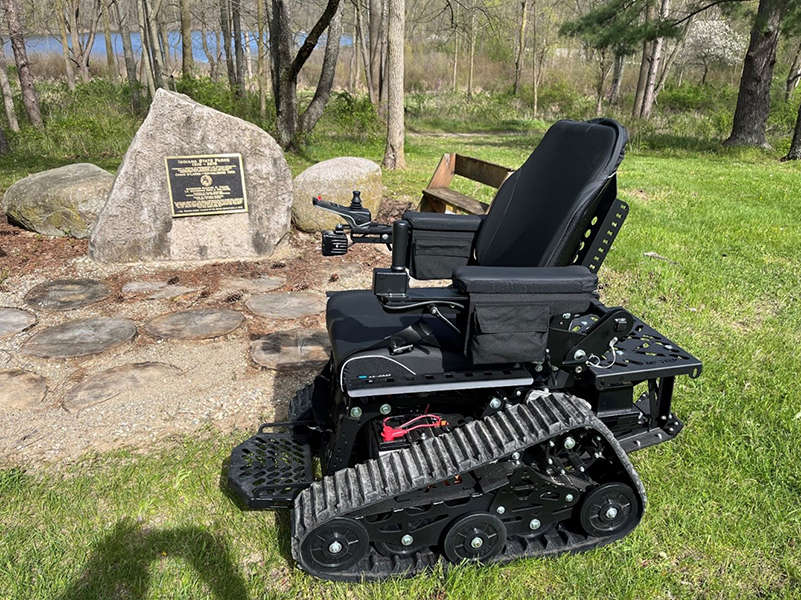 New track chairs make Indiana a national leader in accessibility at state parks
 Special Olympics Indiana hosting 54th annual state basketball tournament
 Thrive info session planned for March 26
 BMV warns of scam, more deceptive messages
 King looks to bring experience to Parke County Council
 Colorado man arrested on Indiana resident for child solicitation, other charge
 Zumwalt looks to carry Republican nod for Vermillion County Commissioner District 2
 Brazil man arrested on rape, other charges
 Getting to know the Centerville Bulldogs
 GE Aerospace to make millions of dollars of investment in Terre Haute, Lafayette
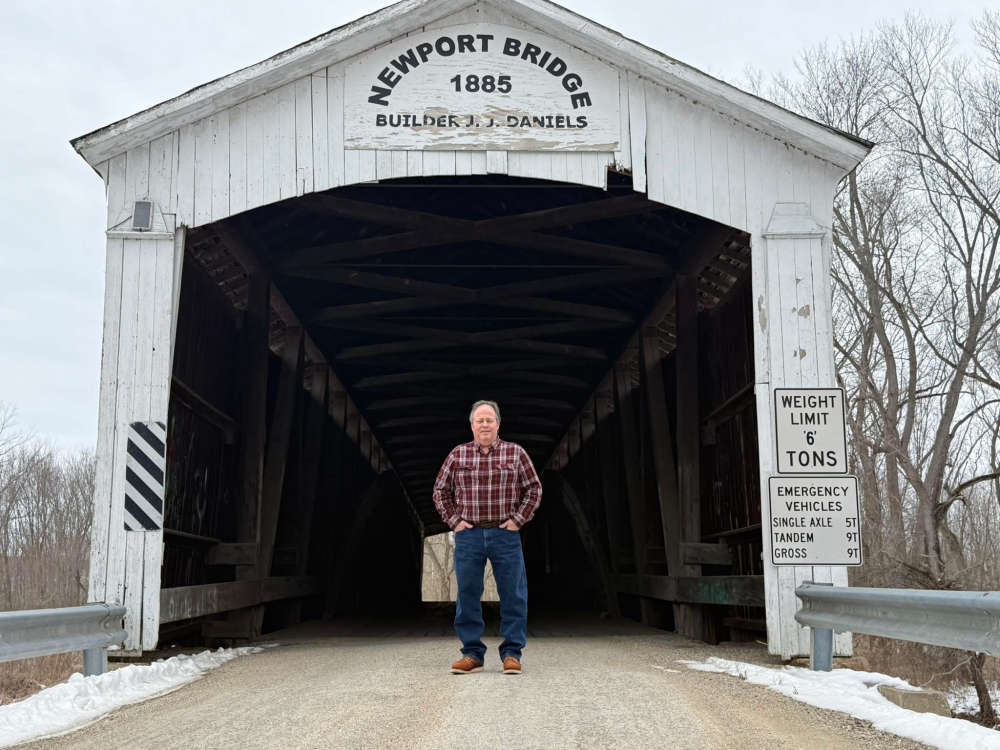 Phelps looks to claim Vermillion County Commissioner District 2 seat
 Rodney Atkins to perform at Putnam County Fairgrounds
 Smith looks to punch ticket to Rockville Town Board seat