

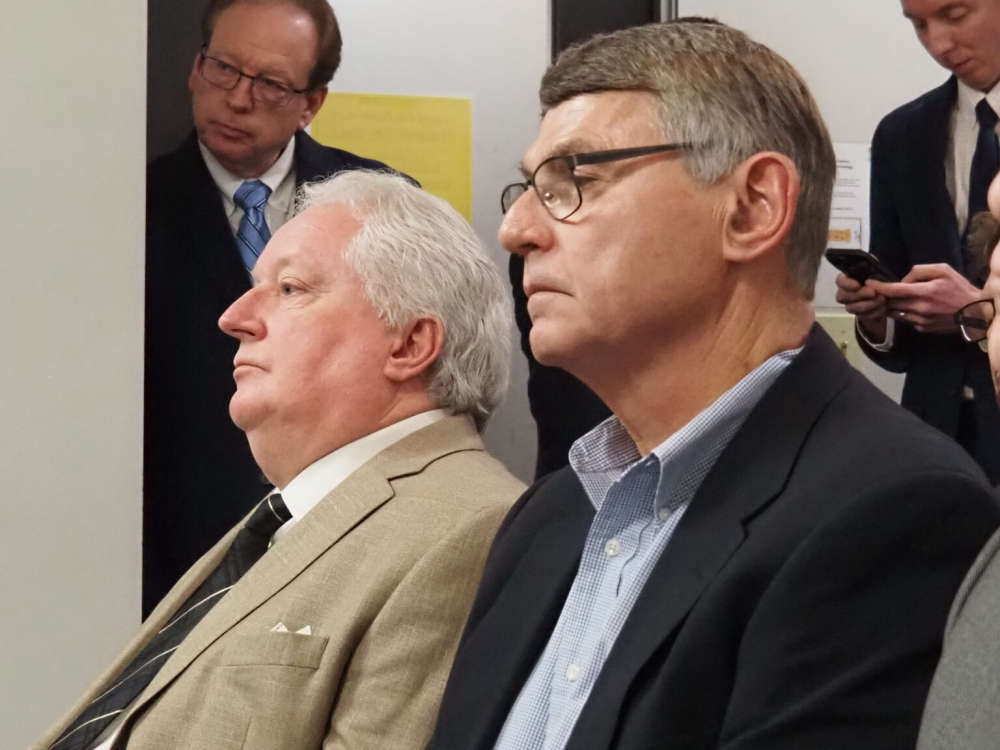
Webb was joined by a handful of other owners and association leaders to urge House committee members to push forward Senate Bill 140, a proposal that would implement several new regulations on PBMs.
Last year, pharmacist Harry Webb said his three-store chain of Webb’s Family Pharmacy filled a collective 161,000 prescriptions for over 10,000 patients.
But independent pharmacies like his are closing at an alarming rate across the county, with many owners pointing the finger at Pharmacy Benefit Managers, or PBMs.
“The PBM business is a shell game. Quite frankly, what we are getting paid is not what they’re billing,” Webb told a House committee on Tuesday. “Independent pharmacies are at the bottom … when it comes to getting reimbursed.”
“I’m not seeking special treatment,” Webb told lawmakers. “I’m just trying to get fair reimbursement.”
Webb was joined by a handful of other owners and association leaders to urge House committee members to push forward Senate Bill 140, a proposal that would implement several new regulations on PBMs.
Specifically, it would require the entities to ensure network adequacy and prohibit perceived conflicts of interest between a PBM, insurer or retail pharmacy.
Such vertical integration has been the subject of a federal investigation, which concluded that pharmacy middlemen are raising prices and committing other anti-competitive practices, such as reimbursing their own retail pharmacies at higher rates than independent stores.
According to committee testimony, Indiana has roughly 450 chain pharmacy retail stores compared to about 200 supermarket-based or outlet locations. There are approximately 125 independent pharmacies located throughout the state.
Opponent Joey Fox said that restrictions on ownership ties between PBMs and other corporations, “flies in the face” of free market principles.
“We believe that the key question to ask everybody is, ‘Do we want health care spending to go up, or do we want it to go down?’ Every other effort by this body has been aimed at getting health care spending to go down,” Fox said. “This bill, unequivocally and unquestionably, causes health care spending to go up.”
Fox testified on behalf of the Pharmaceutical Care Management Association, which advocates on behalf of the nation’s major PBMs. Costs like a dispensing fee, which would guarantee some payments to independent pharmacies from PBMs, would ultimately just get passed along to policy holders like employers, Fox said.
“This bill makes it illegal for us to offer a better deal on drug prices to employers,” Fox said.
The underlying bill attracted several hefty amendments, including one that would allow the State Personnel Department to pursue a contract to run a PBM for state employees and government insurance beneficiaries.
None of the amendments were accepted by the committee on Tuesday, however, nor did the bill advance.
 Gov. Braun to visit Lake Village to see storm damage
 Zumwalt looks to carry Republican nod for Vermillion County Commissioner District 2
 Brazil man arrested on rape, other charges
 Getting to know the Centerville Bulldogs
 GE Aerospace to make millions of dollars of investment in Terre Haute, Lafayette
 Phelps looks to claim Vermillion County Commissioner District 2 seat
 Rodney Atkins to perform at Putnam County Fairgrounds
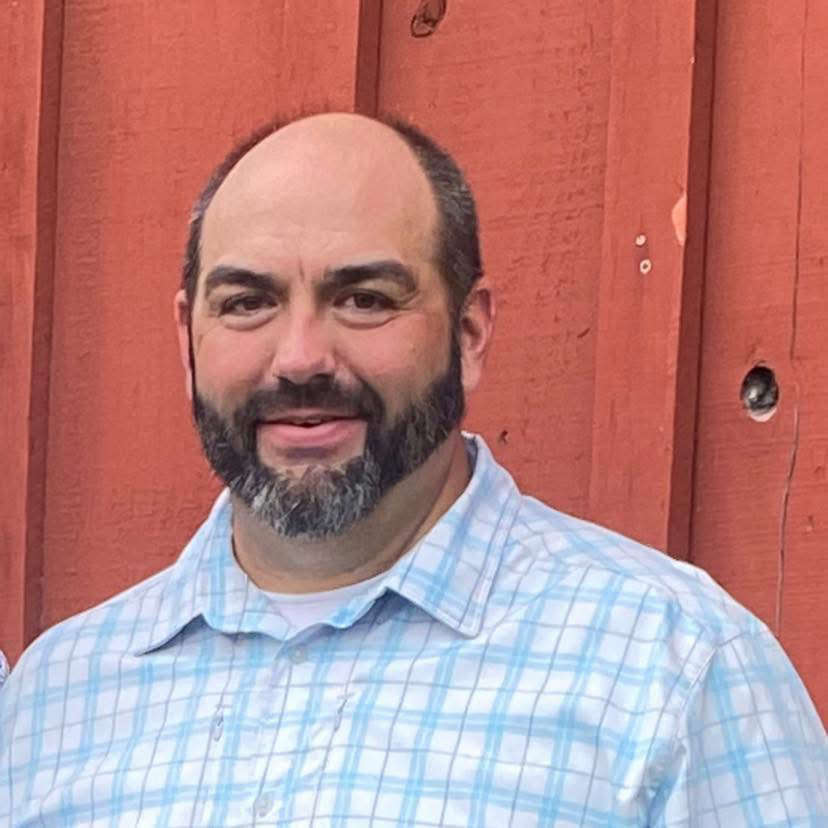 Smith looks to punch ticket to Rockville Town Board seat
 Safe Zones enforcement to resume on I-70 in Hancock Co., begin on I-65 in Jasper Co.
 IDHS focuses on raising awareness during Severe Weather Preparedness Week, March 8-14
 Parke Heritage to Martinsville, North Vermillion headed to Frankfort for boys regionals
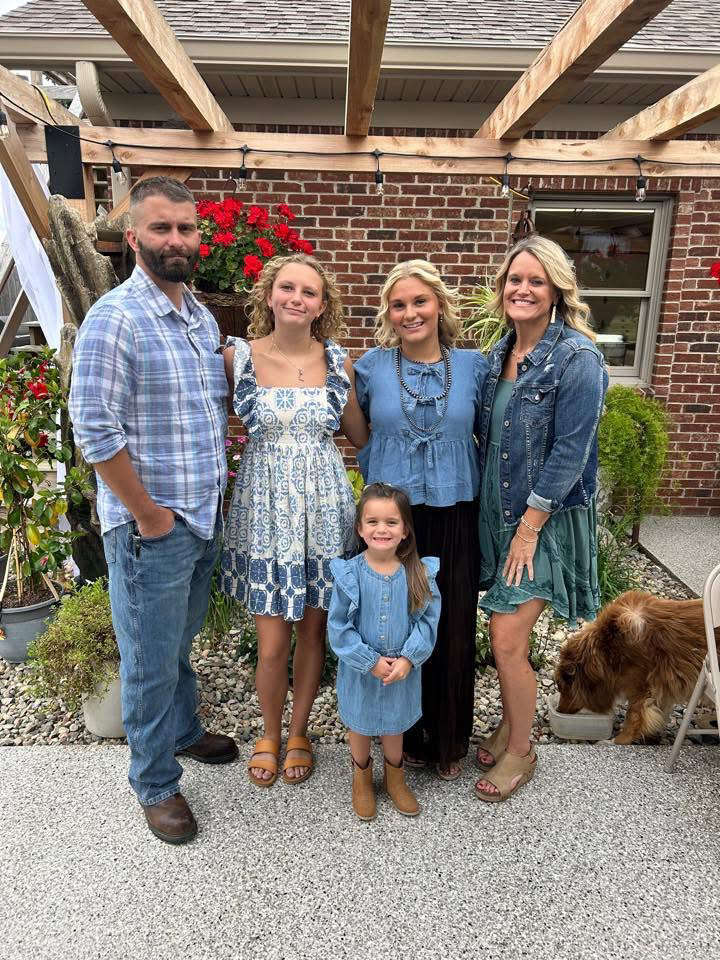 Martin looks to bring experience to Parke County Commissioner District 2 Seat
 Penny-rounding for retailers
 No intentional wrongdoing alleged in crash blamed for death of US Rep. Baird’s wife
 Hoover looks to turn Parke County Commissioner District 2 seat Blue
 Fairview Park receives OCRA grant to rehab water system
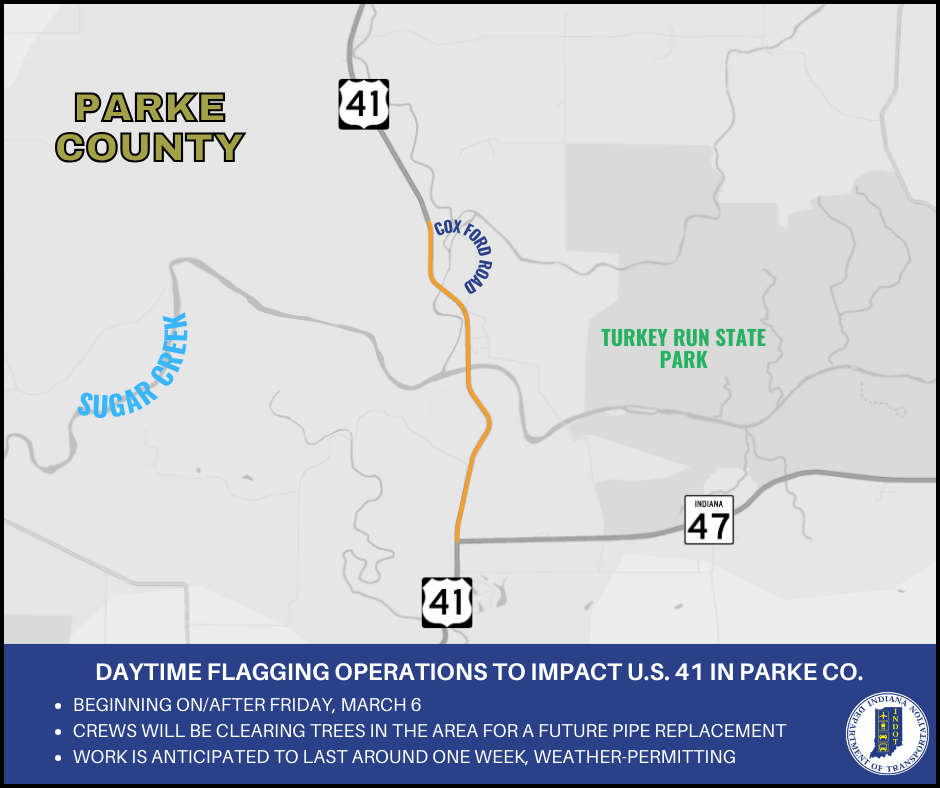 Daytime flagging operations to impact U.S. 41 for tree clearing for a future project