
Annette Haining from Marshall County Hope asked the Marshall County Commissioners if they would give the organization their Opioid Restricted Funds.
The State of Indiana reached multiple settlements with major pharmaceutical companies, distributors, and related firms as part of the State’s ongoing commitment to accountability in addressing substance use. The settlements will provide Indiana with more than $980 million over an 18-year period.
Ind. Code §4-6-15 governs the distribution of restricted funds. The types of eligible expenditures include prevention initiatives such as programs aimed at educating the public about the dangers of opioid use and providing resources to prevent addiction. Funds can be used for recovery services like treatment programs, recovery support groups, and rehabilitation services that help individuals overcome opioid addiction. Finally, the restricted fund can be used for Public Health Programs. This includes initiatives that promote health and safety, such as overdose prevention, access to naloxone, and healthcare services for those affected by opioid use.
Haining told the commissioners that 4,794 adults in Marshall County need treatment for substance use but are not receiving it. She said it was estimated that there are 6,640 people aged 18 and over with a substance use disorder in Marshall County. Marshall County Hope has statistics from this past year that show 6,789 adults having used marijuana, 1,252 with misuse of opioids, 529 with cocaine use, and 474 using methamphetamine.
The services provided by Marshall County Hope, Peer Service, Collaboration, and Education along with Resource Connections, and Support fulfill the requirements for use of the county’s Restricted Opioid Funds.
Commissioner Jesse Bohannon said they didn’t want to get ahead of the budgeting process. He suggested she appear before the County Council and ask them to budget the Opioid Restricted Funds for Project Hope. The commissioner also commented on Senate Bill 1 and the projected impact on Marshall County. Bohannon said the county could lose $2 million in 2026, $4 million in 2027, and $5.5 million in 2028. He said until SB1 is approved, and the county knows the impacts the county doesn’t want to make commitments they might not be able to fulfill.
Commissioner Stan Klotz asked the County Auditor if the JCAP program in the jail is funded by the Opioid Restricted Funds, and she told him the program is funded through the LIT (local income tax) Special Purpose. The Auditor said the JCAP Director position would qualify for Restricted Fund use.
Annette Haining from Marshall County Hope said they would attend the County Council meeting with their request for the Opioid Restricted Funds and the Commissioners took no action.
 Meta to pay up to $419M to Indiana, implement sweeping child-safety reforms on Instagram and Facebook
 New storm recovery texting service to connect impacted Hoosiers with disaster resources
 Indiana Pork and Indiana Beef donate State Fair food to support flood-ravaged communities
 Parke County native enjoys success with latest business endeavor
 IDEM reminds residents to sort and safely dispose of flood debris
 Gov. Mike Braun orders flags lowered to half-staff in honor of Dolly Parton
 Indiana law enforcement to increase impaired driving enforcement ahead of Labor Day
 Indiana State Fair "Taste of the Fair" presented by Pepsi announces 2026 winners
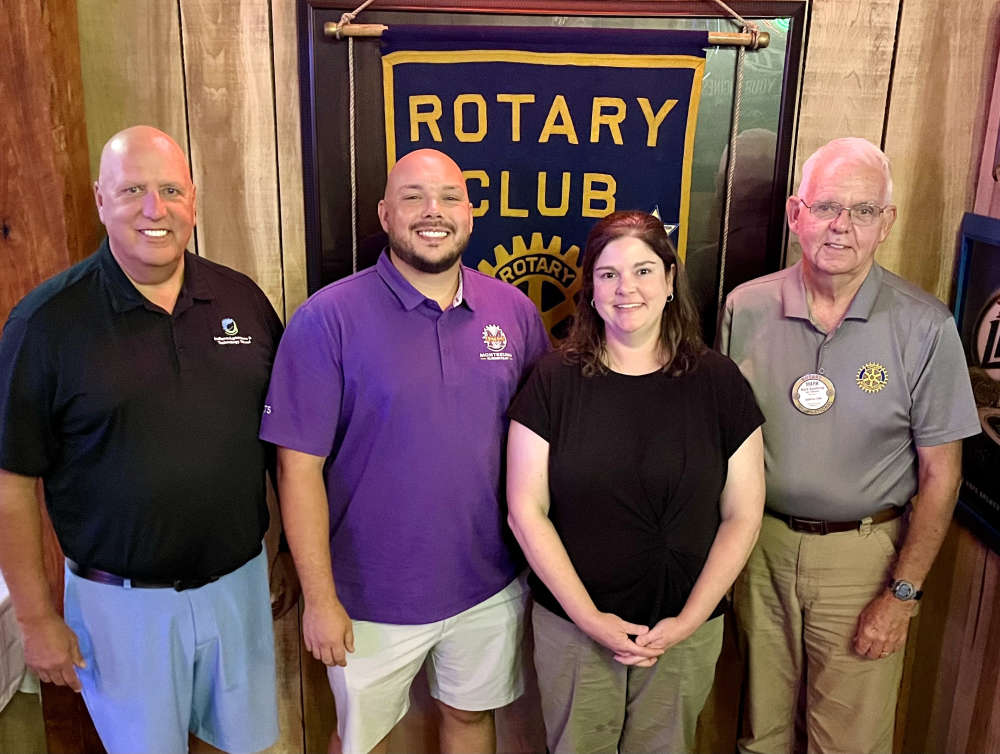 Indiana Agriculture and Technology School featured at recent Rockville Rotary meeting
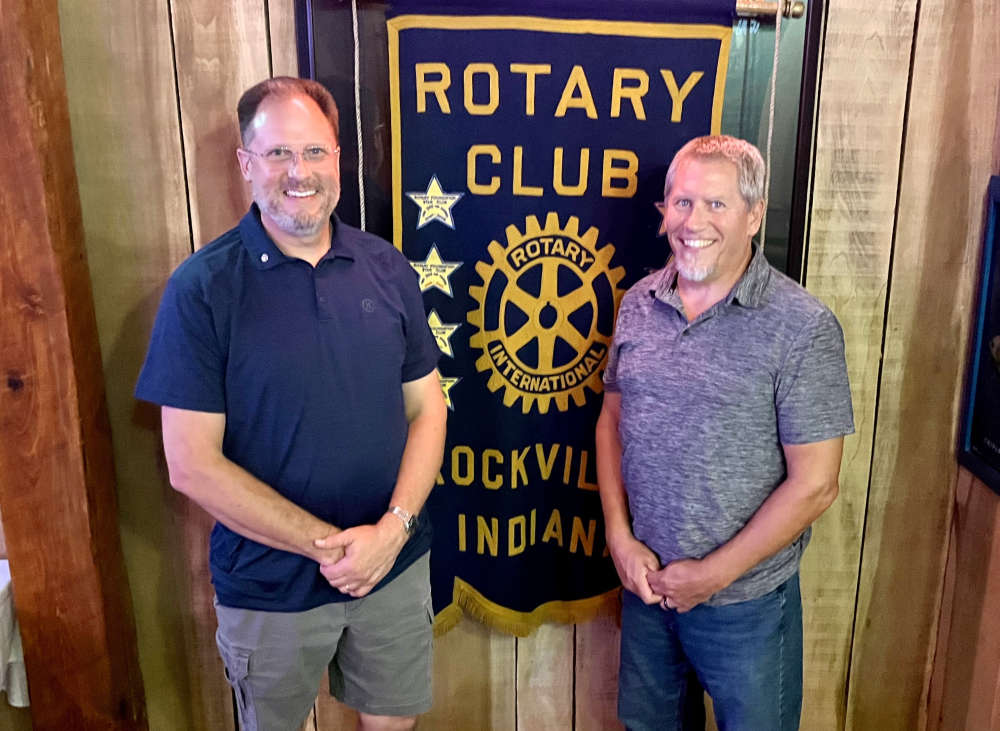 Dwight Ashley joins Rockville Rotary
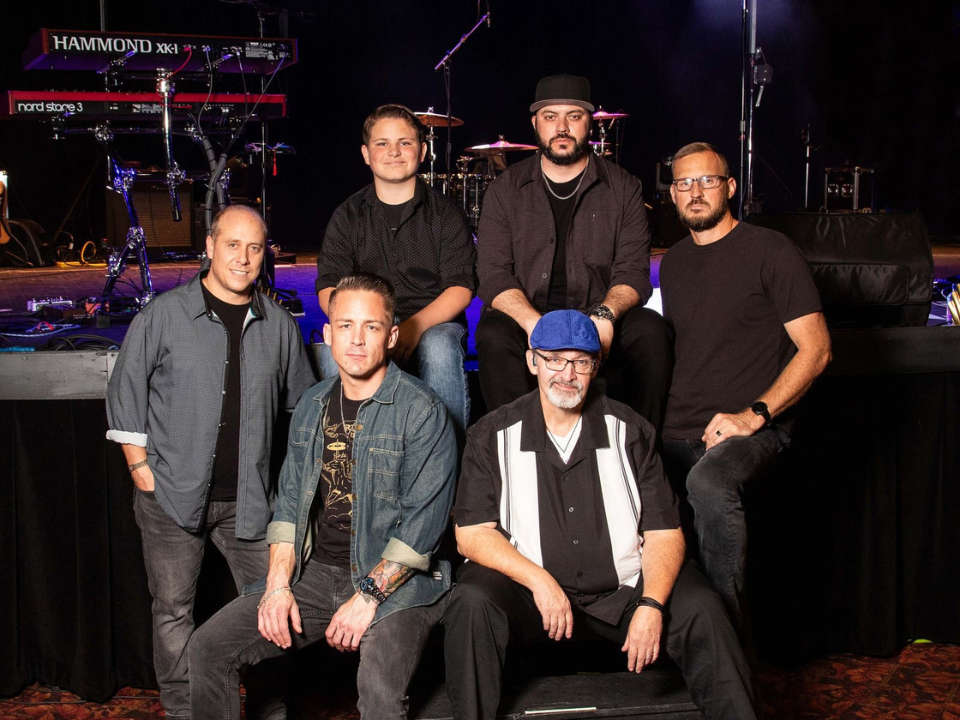 Greencastle Music Fest is this weekend
 Little Italy Festival is right around the corner
 Indiana launches emergency program for veterans impacted by historical flooding
 Driver charged after spotted by officer speeding and driving recklessly