

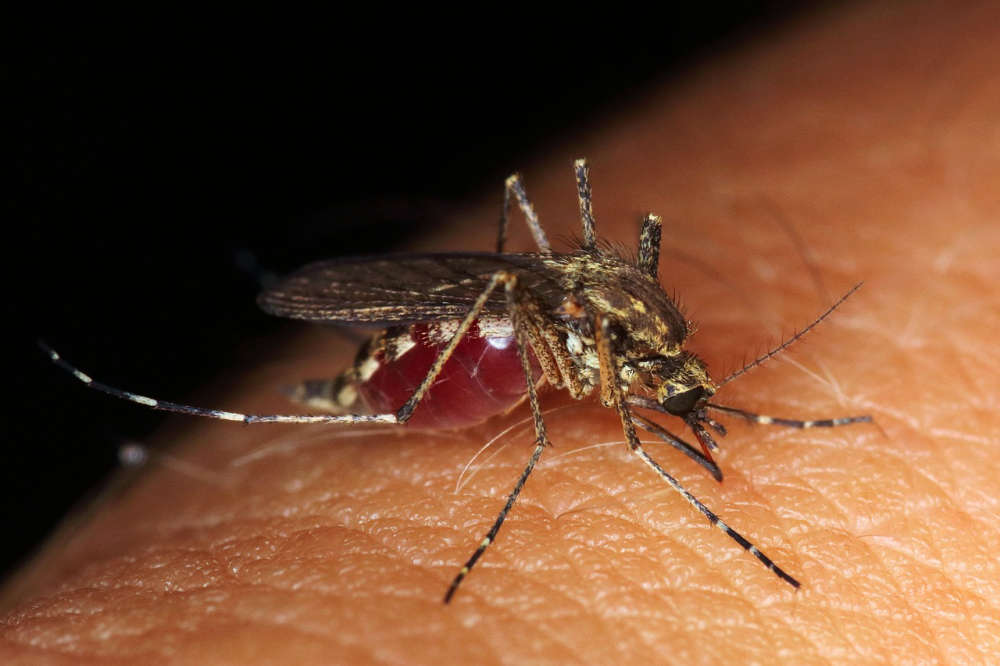
The Pulaski County Health Department warns locals to take preventative measures against mosquitos seriously after one case of West Nile virus was confirmed in Winamac.
Pulaski County Health Department officials are warning locals to take caution after one case of West Nile virus was confirmed in Winamac earlier this week.
According to the Centers for Disease Control and Prevention, West Nile virus is most commonly spread to people by the bite of an infected mosquito. Symptoms include fever, headache, body aches, and in severe cases, confusion and seizures. Most people infected with West Nile virus do not experience symptoms, with only 1 in 5 people infected developing a fever and other symptoms. About 1 out of 150 infected people develop a serious, sometimes fatal, illness.
As a response effort, Pulaski County is also working closely with local vector control agencies to enhance mosquito control measures by spraying in the affected areas.
While there are no vaccines to prevent West Nile, nor medicines to treat the virus, there are ways to protect yourself from mosquito bites. Pulaski County Health Officials are urging locals to protect themselves during mosquito season, which starts in the summer and continues through fall. Prevention includes using insect repellent, wearing long-sleeved shirts and pants, eliminate standing water around homes, and ensure the repair of window and door screens.
For more information about West Nile virus and prevention tips, call Edwina Duffey, Pulaski County Director of Environmental Health, at 574-946-6080.
 Gov. Braun takes action to make housing more affordable for Hoosier families
 Hoosiers urged to tak precauiton against tick-borne disease as risk increases with warmer weather
 Eviction delays and missed deadlines stall demolition of Plymouth's Red Rock Inn
 Plymouth Park Board approves summer pool agreement, shelter requests for local causes
 Plymouth man arrested for public intoxication following 911 Call
 Two teens arrested after trespassing at River Park Square
 Serious two-vehicle crash on U.S. 30 sends Plymouth couple to hospital
 Education Union for ISTA staff files unfair labor charges