


With Valentine’s Day approaching, the U.S. Postal Service (USPS) and the U.S. Postal Inspection Service (USPIS) want consumers to be aware they may be targeted for romance scams, a deceptive form of fraud that prey on individuals seeking companionship. These scams often start online but frequently escalate to requests for money or valuables sent through the mail, leading to devasting financial and emotional losses for victims.
“Protecting the sanctity and integrity of the mail is our top priority,” said USPIS Chief Postal Inspector Gary Barksdale. “This includes protecting customers from mail-related crimes, including fraudulent schemes like romance scams. Public awareness is critical in stopping these criminals before they cause harm.”
How romance scams work
- Scammers create fake identities, often using stolen photos and fictitious personal details.
- They cultivate online relationships over weeks or months, building trust through social media, dating apps, or email, and pledge their love early on.
- Once trust is established, they fabricate urgent financial needs – such as medical emergencies, travel expenses, or business problems – to solicit money.
- Victims are pressured into sending cash, checks, wire transfers, or gift cards, making recovery difficult once the fraud is detected.
How to protect yourself
- Be cautious of online relationships that escalate quickly, especially if the individual avoids in-person meetings or video calls.
- Look for inconsistencies in the person’s profile and the information they share. Keep your personal information private.
- Never send money, checks, gift cards, or personal finance information to someone you haven’t met in person.
- Be suspicious of requests for secrecy or urgent financial help.
- If you think it’s a scam, cut off communication immediately and report it.
- For more information on romance scams visit Romance Scam – United States Postal Inspection Service
How USPS and USPIS are fighting fraud
USPS and USPIS are ramping up public outreach efforts to help Americans recognize and avoid mail fraud. In addition to proactive law enforcement measures, the Postal Service is spreading awareness through multiple channels to raise awareness, including:
- Social media platforms – USPIS regularly shares public service announcements and prevention messaging on several social media platforms.
- Mail fraud prevention resources – Providing updated scam alerts, prevention tips, and reporting tools on Tips & Prevention – United States Postal Inspection Service.
- Mailin’ It! podcast – Postal inspectors share true crime stories of real cases on the official USPS podcast, Mailin’ It! These episodes highlight real cases where fraudsters have used the mail to target victims, reinforcing the importance of staying informed and vigilant.
- Wanted Wednesdays – USPIS has a social media campaign spotlighting wanted criminals involved in postal-related crimes.
- Fraud prevention webinars and public events – Postal Inspection Service personnel engage with communities through live and virtual events to educate the public on emerging scam tactics.
How to report mail fraud
If you are someone you know has been targeted by a romance scam involving the mail, report it to the U.S. Postal Inspection Service at www.uspis.gov/report. Victims should also notify their local law enforcement agency and the Federal Trade Commission at reportfraud.ftc.gov.
 Special Olympics Indiana: Marshall-Starke County celebrates busy, successful fall season
 Plymouth man arrested on domestic battery charge ffter altercation
 Indiana's first West Nile Virus case of 2026 reported in Allen County
 Gov. Braun powers Indiana Defense Industry with $1B Rolls-Royce Investment
 The Girl Scout Coalition of Indiana and Indiana Youth Institute release the 2026 Indiana Girl Report
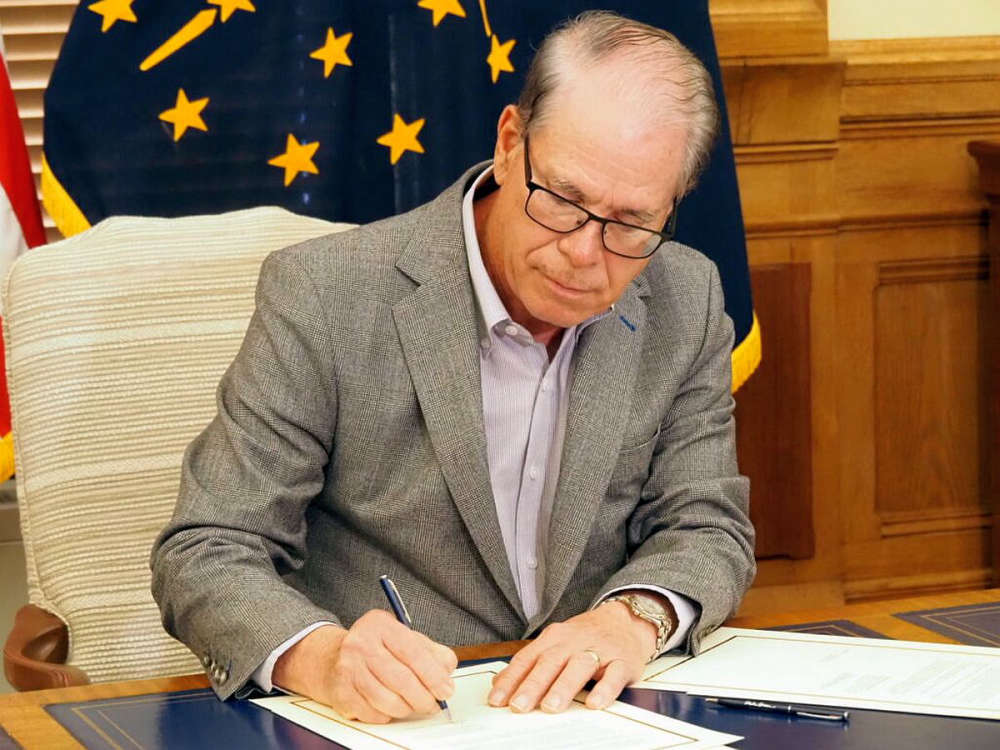 Governor Braun makes college more affordable with tuition freeze at every Indiana public college and university for second year
 Attorney General secures big victory against illegal immigration in Monroe County sheriff case
 Winamac woman arrested by Culver PD following investigation into child exploitation & solicition