

at the Commodity Classic Convention in San Antonio, Texas, U.S. Secretary of Agriculture Brooke L. Rollins announced the “One Farmer, One File” modernization, another action putting Farmers First with sweeping technological improvements at the U.S. Department of Agriculture (USDA). Through “One Farmer, One File,” USDA’s mission is to create a single, streamlined record that follows the farmer — no matter where they go in the USDA system.
“Every single day at USDA, our focus is on making life easier, more profitable and more rewarding for the American farmer,” said Secretary Brooke Rollins. “Our government for the people by the people should be modern, efficient, and respect taxpayer dollars. This modernization of old, duplicative, wasteful systems has one goal in mind, improve our customer service so the people we serve are able to farm and feed America and the world. ‘One Farmer, One File’ prevents our farmers from duplicating tasks while increases their productivity and time in the field.”
USDA’s Farm Service Agency (FSA), Natural Resources Conservation Service (NRCS) and Risk Management Agency (RMA) work with agricultural producers on a wide range of programs and services, from establishing a farm number to reporting acres planted, and from getting capital to recovering from disasters.
The goal of “One Farmer, One File” is to reduce the administrative burden for farmers. Additionally, this effort will make program delivery more efficient, save time for USDA staff, and decrease spending on disparate information technology systems.
The “One Farmer, One File” initiative is part of a broad modernization effort to unify all FSA, NRCS and RMA systems. This uniformed system will retire legacy systems and remove agency silos. USDA began work on this system in 2025 and plans to greatly advance the effort in 2026. USDA anticipates completing the project in 2028.
The “One Farmer, One File” initiative and broader modernization effort are just one example of how the Trump Administration is committed to simplifying and streamlining programs for producers. For example, USDA is using Login.gov to expedite Farmer Bridge Assistance (FBA) payments to producers. The Administration is also streamlining its conservation programs to make it easier for producers to bundle and apply for the practices needed on their farms.
While in San Antonio, Secretary Rollins also visited Texas Farm Bureau President Russell Boenig’s farm to launch the Deregulatory Agenda for American Agriculture and Consumers (PDF, 5.6 MB) which is a package of deregulatory actions taken by the Trump Administration to cut red tape, unleash innovation, and increase affordability for farmers, ranchers, and consumers. In just one year, President Trump cut 129 regulations for every new one resulting in $211.8 billion in net cost savings.
 Boost the blood supply: Red Cross offers free A1C testing
 IN A.G.: Congress closed the hemp loophole, Indiana must too
 I.S. Senator Young introduces bill to protect American roads and supply chains
 Tom Flynn seeks District 2 County Council seat in Republican Primary
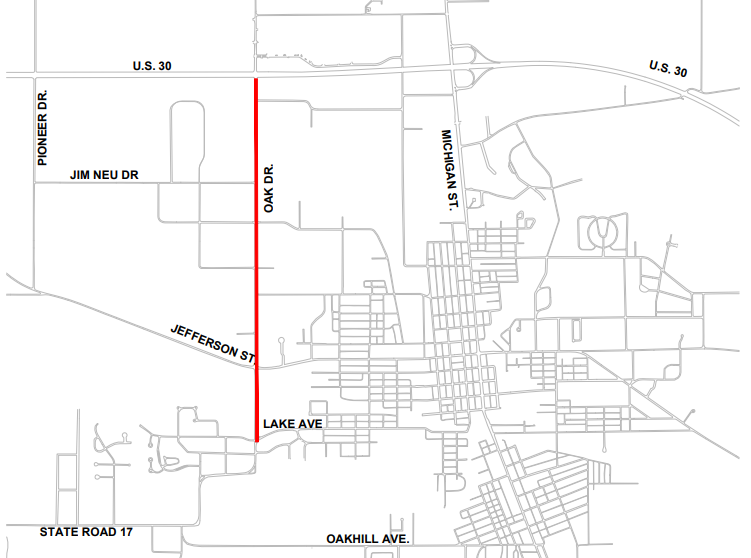 Plymouth awarded $2.6 million INDOT Grant for Oak Drive Sidewalk Project
 Plymouth Fire, Police departments address staffing changes
 Plymouth Board approves purchase of 3 new city vehicles
 South Korea-Based manufacturer picks Indiana forfFirst U.S. operation, 300+ new jobs