

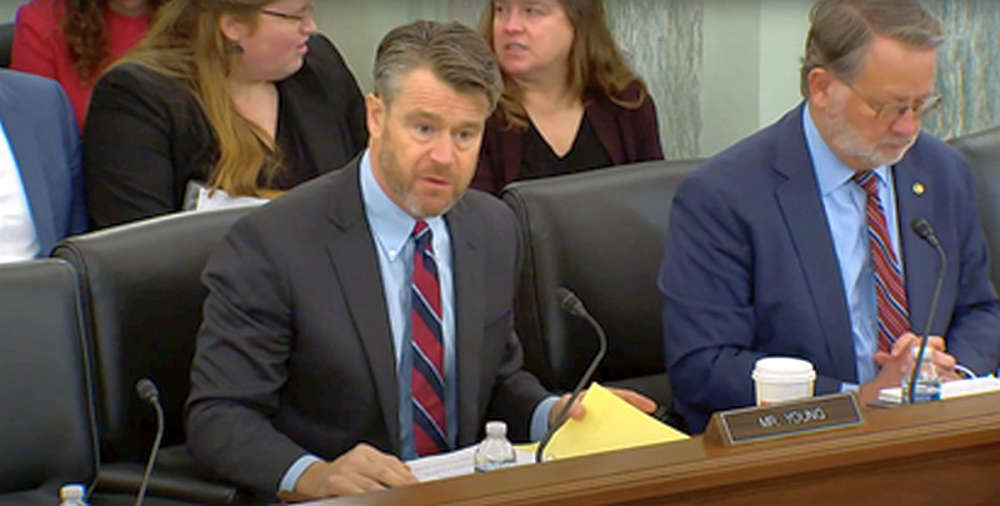
U.S. Senator Todd Young (R-Ind.), a member of the Senate Intelligence Committee, joined Tom Cotton (R-Ark.), Chairman of the Senate Intelligence Committee, and other Committee members in sending a letter to National Security Advisor Marco Rubio urging a review of the Biden Administration’s vetting process for Afghan nationals. Despite assurances to the contrary, the Biden Administration’s failed vetting process following the disastrous August 2021 withdrawal resulted in security risks to American servicemembers and citizens.
In part, the Senators wrote:
“The horrific terror attack in Washington, D.C. the past week that resulted in the shooting of two brave National Guard members demonstrates that it is past time for the United States to revisit the deficiencies of the Biden administration’s vetting process for Afghan nationals and remedy the resulting egregious security threats such a process created in the United States after the disastrous August 2021 withdrawal. We urge you to take immediate action to prevent future attacks on American servicemen and citizens.”
Full text of the letter can be found here and below:
Dear Secretary Rubio:
The horrific terror attack in Washington, D.C. the past week that resulted in the shooting of two brave National Guard members demonstrates that it is past time for the United States to revisit the deficiencies of the Biden administration’s vetting process for Afghan nationals and remedy the resulting egregious security threats such a process created in the United States after the disastrous August 2021 withdrawal. We urge you to take immediate action to prevent future attacks on American servicemen and citizens.
Contrary to the previous administration’s assertion that all Afghan nationals were subject to “enhanced vetting,” repeated reports by various Offices of Inspectors General (OIGs) presented to Congress reveal a different story. A February 2022 Department of War (DoW) OIG report found that Operation Allies Refuge and Operation Allies Welcome did not use all available DoW data to vet Afghan evacuees, including the Automated Biometric Identification System (ABIS). This database, compiled over the past 20 years, contains tactical data collected on the battlefield in Afghanistan. After an initial review of Afghan Evacuee data with the ABIS database, the National Ground Intelligence Center (NGIC) found that at least 50 individuals had “potentially significant security concerns.” These range from the benign, such as a petty theft from a military base, to the serious, such as fingerprints found on improvised explosive devices. A September 2022 Department of Homeland Security (DHS) OIG report agreed with the DoW report and further found that approximately 31,000 Afghan evacuees were allowed into the country before DHS could form a taskforce to vet and support their resettlement. Congress is further aware of potentially hundreds of evacuees that the Federal Bureau of Investigation (FBI) has found to have potential links to terrorism after their arrival in the United States.
Repeated requests from the Senate Select Committee on Intelligence to multiple agencies during the previous administration, including DoW, the National Counterterrorism Center, NGIC, the Defense Intelligence Agency, and FBI for more information about these individuals and what risks – if any – their presence inside this country poses to public security have gone largely unanswered. Four years after the United States’ withdrawal from Afghanistan, it is still unclear to what extent the Intelligence Community (IC) or law enforcement authorities are monitoring or tracking these individuals. Therefore, we respectfully request that you instruct DHS, DoW, and the IC to:
- Implement the vetting procedures recommended by the 2022 DoW OIG report in their entirety for all Afghan evacuees currently in the United States;
- Identify and locate those evacuees discovered to have significant security concerns; and
- Seek immediate removal of such evacuees from the United States back to Afghanistan or other third countries, as appropriate.
Thank you for your prompt attention to this request, and we look forward to your response.
 Early morning traffic stop leads to arrest of Plymouth man for unlicensed driving
 Plymouth woman arrested on felony domestic battery charges after fleeing with children
 Plymouth teen arrested following River Park Square brawl for dllegedly destroying special needs teen's shoe
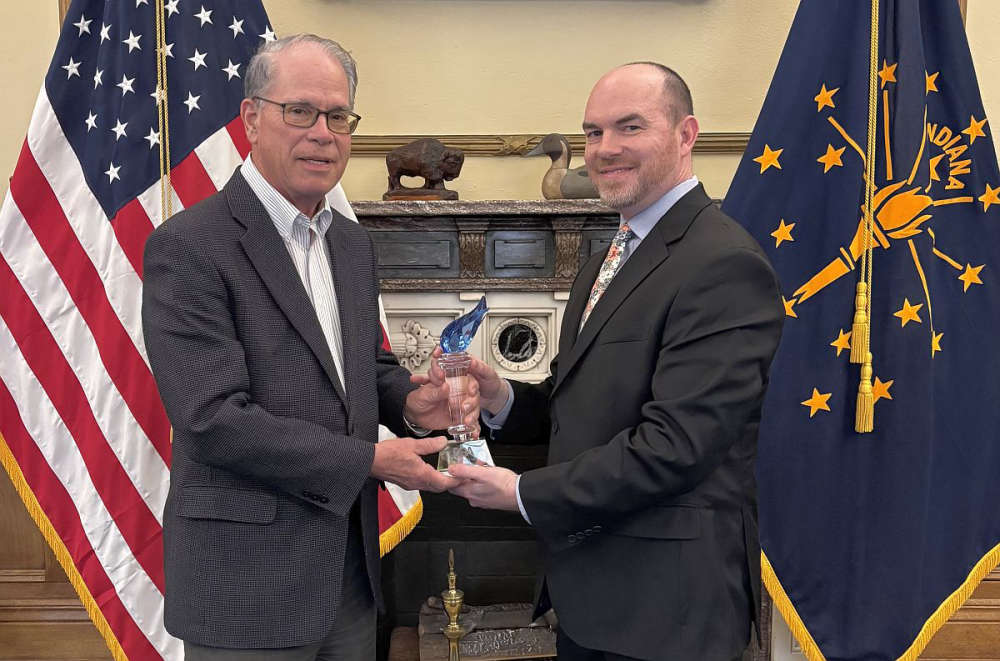 Indiana Governor Mike Braun named FGA’s 2025 Governor of the Year
 Yakym introduces resolution to honor Lou Holtz
 Plymouth High School Speech Team captures State Championship, brings home Lawson Trophy
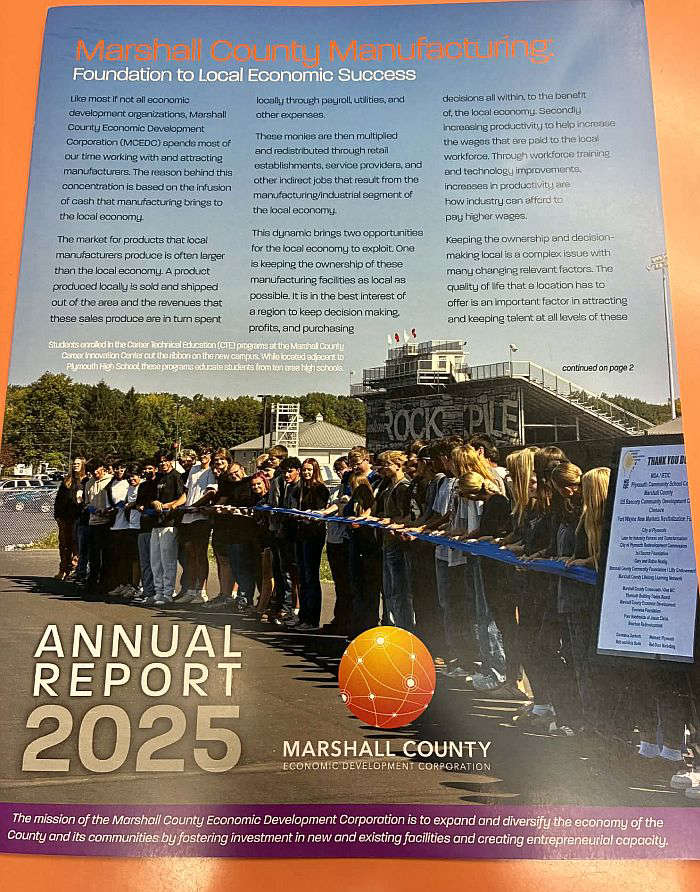 Marshall County celebrates record $219 million cconomic investment in 2025