


News article provided by the IN Dept. of Education
The collaborative and iterative process to refocus the future of K-12 accountability in Indiana continued this week with the launch of a second round of stakeholder feedback. The second draft of the proposed accountability model, presented on Wednesday, incorporates stakeholder feedback on the first draft with a focus on preparing students for lifelong success, regardless of their path ahead.
“What makes this proposed accountability model so transformational is the intentional focus on each student’s individual needs and unique path,” said Dr. Katie Jenner, Indiana Secretary of Education. “As education evolves, this model represents our continued commitment to assessment and high expectations for all, while also incorporating a variety of skills and experiences that matter for a student’s future. The thoughtful feedback we have received from stakeholders across Indiana has helped to make the second draft even more clear and aligned. Over the coming weeks, we will continue to prioritize feedback and solution-ideas to ensure the future of accountability in Indiana is truly student-centered and designed for Hoosiers, by Hoosiers.”
An initial draft of the K-12 accountability rule was first presented to the State Board of Education (SBOE) in June, kicking off the first of two statutorily-required public comment periods designed to enhance the proposed plan. During this time, the Indiana Department of Education (IDOE) and SBOE received over 400 online comments and held numerous focus group discussions, in addition to an in-person public hearing. Stakeholder feedback emphasized the following key themes:
- Broad support for elevating a variety of knowledge, skills, and experiences that contribute to a student’s future success, including additional indicators aligned to specific pathways;
- The importance of prioritizing proficiency while encouraging improvement for all students through academic growth and skill development; and
-
The need for a transparent and simple accountability model that is meaningful to parents/families and provides schools a clear roadmap for continuous improvement.
This stakeholder feedback has helped to affirm certain fundamental aspects of the first draft and informed key updates. The second draft of the proposed new accountability model maintains the strategic alignment with Indiana’s Profile of a Graduate, which defined the first draft. Indiana’s Profile of a Graduate was developed based on extensive input about what Hoosiers value most and is the framework for Indiana’s Graduates Prepared to Succeed (GPS) dashboard, which helps drive the good work happening in schools by measuring multiple indicators across five key characteristics:
- Academic Mastery
- Career & Postsecondary Readiness: Credentials & Experiences
- Communication & Collaboration
- Work Ethic
- Civic, Financial, & Digital Literacy
Based on these characteristics, the second draft of the accountability model continues to elevate both traditional academic outcomes, as well as skill development. In the proposed model, success is measured at key milestones in a student’s K-12 journey: kindergarten through grade three, grades four through eight, grades nine and 10, and grades 11 and 12. At each of these milestones, stakeholders have helped to identify multiple ways that students may demonstrate success, including both test scores, as well as skills and experiences.
As students progress through their K-12 education, the number of ways to demonstrate success naturally grows as well. The model prioritizes reading and math fundamentals, as well as opportunities for skill development, such as work-based learning and earning credentials of value in high school. This approach encourages schools to focus on improvement for all students, at all levels of proficiency, and ensures that each student’s knowledge, skills, and experiences are transparently reflected in a school’s accountability grade.
The second draft of the proposed accountability model also incorporates several new success indicators, in addition to those included in the first draft, for which students can generate points towards their school’s accountability grade. For example, to maintain our urgency in helping more students learn to read and incentivize ongoing, targeted intervention and support a new Accelerated Literacy success indicator was created specifically for students who are identified as At-Risk on IREAD at grade two and later pass in grade three. A new Back On Track success indicator was also created in grade 10 that encourages continued focus on accelerating credit attainment for students who are off track in grade nine. These continued supports will help ensure that all students have the best shot at success. A complete list of proposed success indicators can be found here.
In grade 12, stakeholders also specifically highlighted an opportunity to further elevate the new diploma seals in the model, based on their currency and value for students. To develop the new diploma and seals, partners identified specific recipes for success based on a student’s unique future goals. The diploma seals are based on key metrics that directly correlate to long-term success in college, career, and/or enlistment and service. The second draft encourages the completion of a diploma seal as the key outcome in grade 12 beginning with the class of 2029, or earlier for schools choosing to opt-in sooner.
Hoosiers now have another opportunity to submit feedback and solution-based ideas to help inform the final accountability rule. Parents, educators, industry partners, community members, and other stakeholders are invited to share feedback via Jotform now through Monday, November 17. This will ensure all feedback is reviewed prior to the publication of the final rule.
A second public hearing will also be held on Monday, November 17, at 11 a.m. in the Indiana State Library, History Reference Room. All public comments, including those submitted via the Jotform above and those shared at the public hearing, will be recorded and provided to SBOE members as part of the rulemaking process. Anyone may attend the public hearing in person or view and provide comments online.
The final rule is anticipated to be adopted in December 2025. Per statute, SBOE must adopt a final draft of the accountability rule utilizing an A-F grading scale by December 31, 2025.
To learn more about the second draft of the accountability rule and provide feedback, click here.
 Plymouth City Council hears public comment on 900-acre annexation; vote set for November 23rd
 REES Theatre presents classic western "Red River" for November Seasoned Citizen Film Series
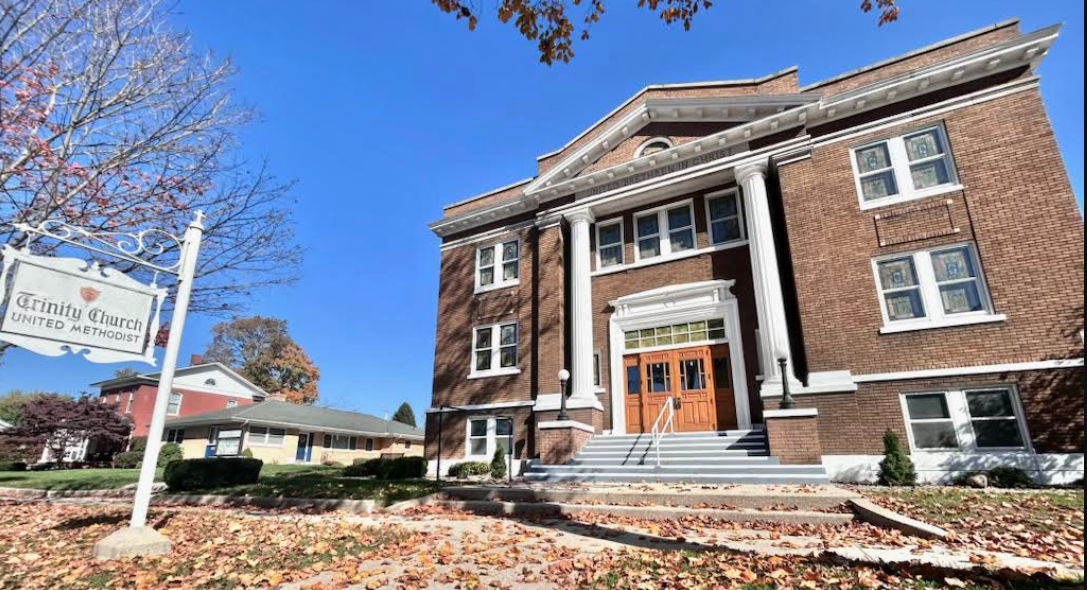 Plymouth Trinity United Methodist Church Celebrating 100 Years In Its Current BuildingPlymouth Trinity United Methodist Church celebrating 100 years in its current building
 Gov. Braun strengthens investment, new job ipportunities through Israel partnership
 Gov. Braun expands opportunities for incarcerated Hoosiers through 10-year Ivy Tech partnership
 Marshall County Council set to address budget, grants, and economic development tonight
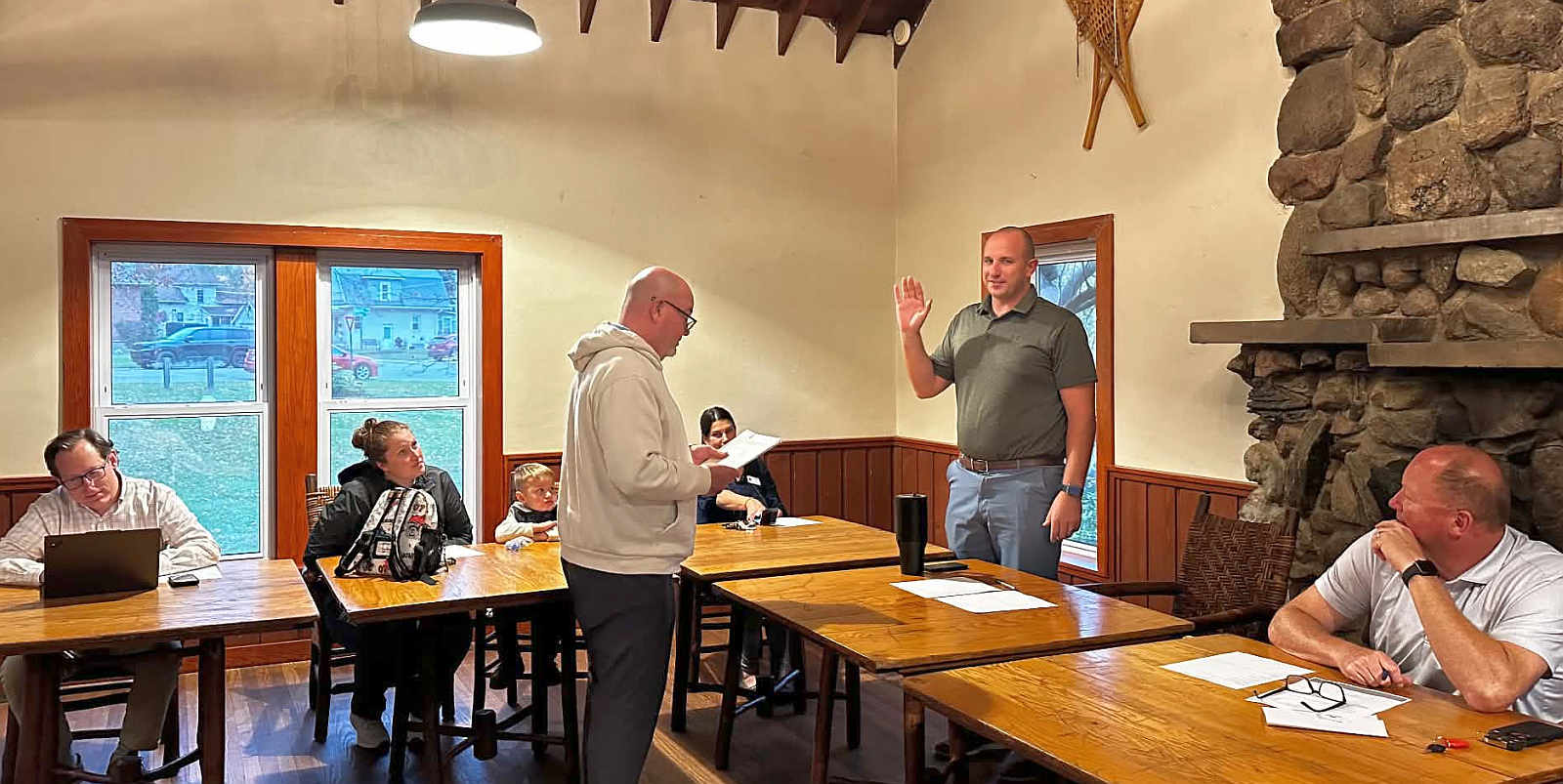 Ryan Welch sworn in as newest Plymouth Park Board Member
 Plymouth City Council to take up controversial 900-acre annexation & rezoning tonight