


The Indiana Department of Health has confirmed 28 cases of measles across the state so far this year, warning that the highly contagious respiratory virus will likely continue to spread throughout Indiana in the weeks ahead.
As of October 7, measles cases have been identified in multiple northern and regional counties, including recent infections reported in LaGrange, DeKalb, Adams, and Allen counties. Exposure warnings have been issued for public areas, including the Fort Wayne Zoo, after Allen County health officials alerted the public to potential exposure at the location.
While central Indiana has no reported cases to date, healthcare professionals are actively monitoring the situation.
The 28 confirmed cases are distributed across the state with one case each in Allen, DeKalb, Miami, Ohio, and Randolph counties. LaGrange and Adams counties each have 3 cases, Parke County reported 4 cases, Switzerland County has 6 cases, and Wayne County has 7 cases of measles.
Measles is caused by a highly contagious virus that spreads easily from person to person. It is an airborne disease, meaning it spreads through the air when an infected person breathes, coughs, sneezes, or talks. The virus can remain alive in the air for up to two hours after an infected person leaves an area.
If one person has measles, up to 9 out of 10 people nearby will become infected if they are not protected. The most effective way to protect against measles is with the MMR (measles, mumps, rubella) vaccine, which is administered in two doses.
Symptoms of measles include a characteristic rash, high fever, cough, watery eyes, and a runny nose.
In some cases, measles may cause serious illnesses such as pneumonia (lung inflammation) and encephalitis (brain swelling). The disease can even be fatal in young children.
People born before 1957 are generally considered naturally immune, as they lived through widespread exposure to the disease during an era when measles was common.
However, the Centers for Disease Control and Prevention (CDC) advises that anyone vaccinated between 1963 and 1968 with an inactivated (killed) measles vaccine — or with a vaccine of unknown type — should be revaccinated with at least one dose of the live MMR vaccine to ensure adequate protection.
With cases continuing to emerge and the virus expected to persist, Indiana health officials are emphasizing the importance of checking vaccination status, particularly for those who may have received an early, less effective version of the vaccine. The MMR vaccine remains the single most effective safeguard against infection.
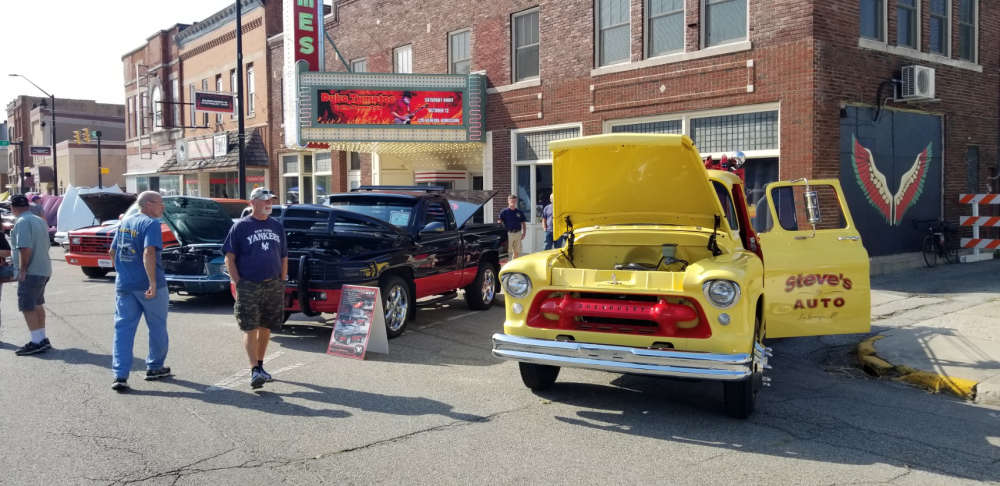 30th Annual Car Show and 34th Annual Chili Cook-Off readying for Saturday
 Attorney opens investigations of CAIR and Students for Justice in Palestine over possible affiliation with foreign terrorists
 Applications open for Indiana's Advanced Nuclear Ready Communities Program
 Plymouth man jailed after stealing virtual reality headset from juvenile
 Operating without a license charged to driver who passed deputy at 100 mph
 Sheriff-Elect McFarland addresses Flock camera safeguards before Marshall County Commissioners
 Marshall County Commissioners approve Criminal Justice Grant for overtime patrols
 Plymouth Plan Commission approves 2-Lot subdivision, discusses off-site sign issue