

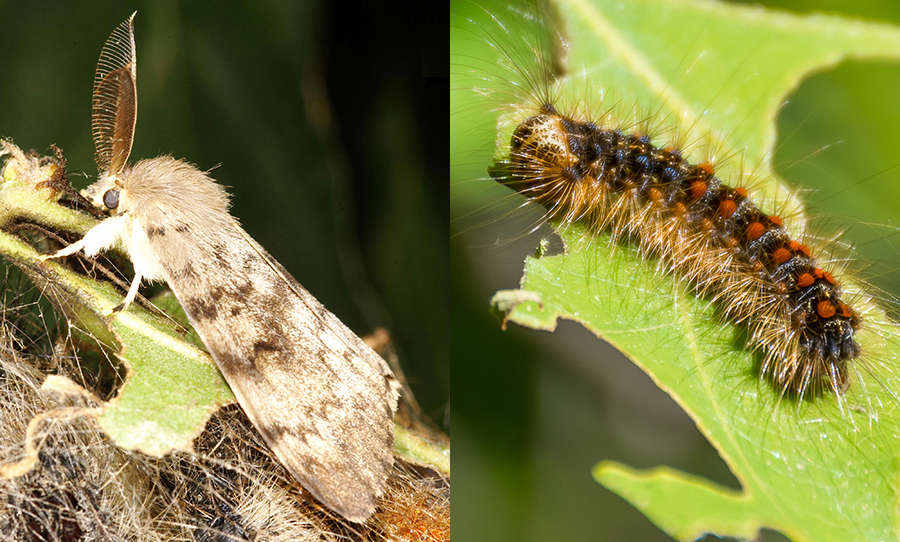
The Indiana Department of Natural Resources will be conducting aerial mating disruption treatments next week in Starke County to slow the spread of the invasive spongy moth.
Officials say the spongy moth is one of the most devastating invasive forest pests in North America that's caused widespread defoliation across thousands of acres in the eastern US. According to the Indiana DNR website, the spongy moth is known to feed on the foliage of hundreds of species of trees and shrubs in North America but prefers oak trees. The moths can be an expensive, messy problem for homeowners and, when out of control, can cause extensive damage to U.S. forests.
Indiana DNR says a yellow airplane flying 75-125 feet above the treetops will release SPLAT GM-Organic on around 7,377 acres in Starke County. SPLAT GM-Organi is a biodegradable, food grade material with disruptive insect pheromones.
Starting June 23, the treatments will start each day at sunrise and continuing throughout the scheduled day, as weather and flight schedules permit. The treatment is said to attract and confuse male moths with female pheromone so that mating does not take place and does not affect any insects other than spongy moths. Jasper County is also included in the upcoming scheduled treatment, with more than 27,000 acres in that county planned to be treated for the spongy moths. In May Indiana DNR completed aerial Btk treatment for spongy moth larva in Marshall County near Bourbon.
 Winamac woman arrested by Culver PD following investigation into child exploitation & solicition
 City officers arrest 2 on alcohol-related charges in Plymouth
 2 drivers arrested for operating on suspended license by Plymouth Police
 Marshall County Blueberry Festival Guide released ahead of 60th Anniversary celebration
 Meta to pay up to $419M to Indiana, implement sweeping child-safety reforms on Instagram and Facebook
 Inaugural Berry Cute Baby Contest to headline Blueberry Festival pageants September 4
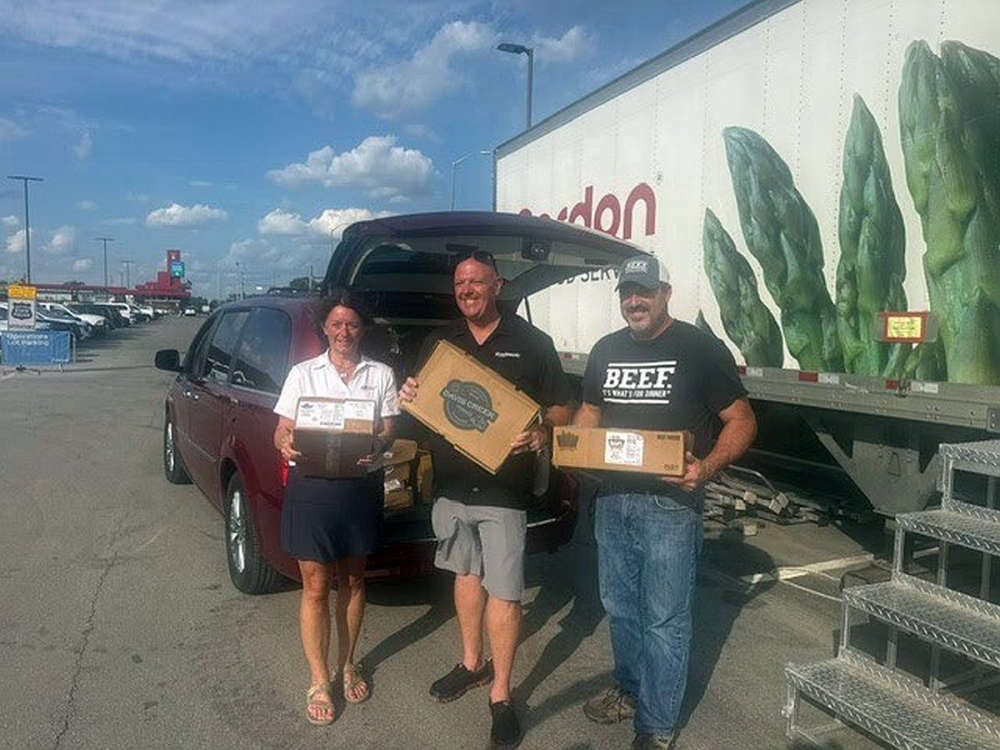 Indiana Pork & Indiana Beef donate State Fair food to support flood-ravaged communities
 Gov. Braun announces $173 M RayzeBio Investment, 100 new jobs as Indiana's Life Sciences Sector Grows