

Indiana now ranks as the 2025 national leader in water quality “Success Stories” recognized by the U.S. Environmental Protection Agency.
This year, Indiana has contributed seven Success Stories, which detail restoration efforts that have led to documented water quality improvements. The next closest states have two.
"This recognition shows what's possible when state and federal agencies empower Hoosiers to take the lead in improving their environment," said IDEM Commissioner Clint Woods, “Indiana’s progress is rooted in collaboration and a shared commitment to clean water.”
Success Stories are U.S. EPA-designated case studies that highlight measurable water quality improvements achieved through local partnerships and community-driven solutions in waters that didn't meet environmental standards for contaminants such as bacteria, nutrients, or sediment due to nonpoint source (NPS) pollution. Nonpoint source pollution refers to water pollution that does not come from a single identifiable source. As water moves, it picks up pollutants and carries them into bodies of water. Common examples of nonpoint source pollution include runoff from farms, streets and lawns that are carried by rainfall or melting snow.
To qualify as a Success Story, a waterbody must have:
- Been previously considered impaired, meaning it was too polluted to support expected activities such as swimming, fishing, or hosting certain biological communities; and
- Be partially or fully restored, show progress toward achieving water quality goals, or show other qualitative measures toward improvement.
Water bodies not officially identified as polluted or impaired under the Clean Water Act can also be considered for Success Story recognition if restoration efforts have resulted in one or more restored uses or if a threat to water quality has been prevented.
The most recently published Success Story details how state and local efforts resulted in seven delistings from the impaired waters list and one incremental improvement in water quality across four different stream segments on Flat Creek. The Flat Creek Watershed is located in Pike and Dubois Counties.
"These projects are especially challenging because there are multiple impacts to water quality, usually from several sources," said IDEM Watershed Planning and Restoration Section Chief Caleb Rennaker. "Federal grants, guidance from IDEM, and the dedication of Indiana farmers, watershed groups, and local leaders make these Success Stories happen."
Hoosiers can read all of Indiana's Nonpoint Success Stories on the U.S. EPA's website. Visit epa.gov/nps.
 ISP partnering with federal authorities in multi-state "Operation Highway Shield" commercial vehicle safety sweep
 DCS to raise awareness for Child Support Month
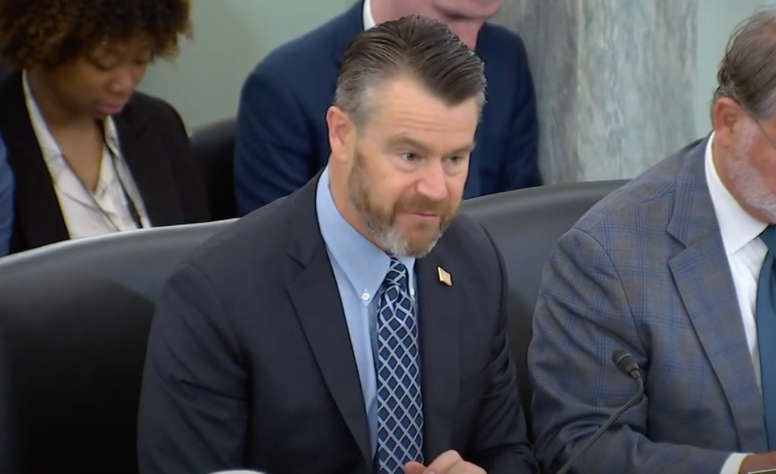 U.S. Senator Young introduces bill to increase American scientists and engineers
 HIP work requirements pre-screening tool now available
 Stellar Pathways program accepting applicants
 Marshall County Commissioners approve $260,000 elevator repair plan for County Building
 Plymouth Board of Zoning Appeals upholds $200 daily fine against salvage business
 4th Annual Quack Out Hunger Duck Drop Set for Friday Evening in Plymouth